What Dishwasher Soap Is Safe for Septic Systems: A Practical Guide
Discover which dishwasher soaps are safe for septic systems. Learn labeling tips, certifications, and practical steps to protect septic health while keeping dishes clean.


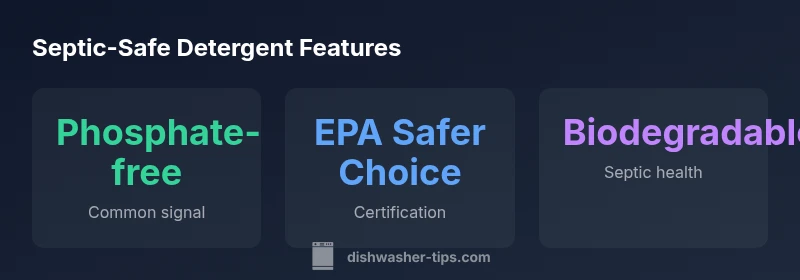
To protect a septic system, choose dishwasher detergents that are phosphate-free, biodegradable, and explicitly labeled septic-safe. Favor formulas with neutral pH, minimal enzymes, and no chlorine bleach or synthetic phosphates. Prefer products with third-party certifications (like EPA Safer Choice) and avoid additives that can disrupt the septic tank’s microbial balance.
Understanding septic systems and dishwasher detergents
Septic systems rely on a delicate balance of bacteria to break down waste. Harsh chemicals, high phosphates, and chlorine can disrupt microbial activity and affect drainage and odor. When choosing a dishwasher detergent, homeowners should ask: what dishwasher soap is safe for septic systems? The short answer: prioritize septic-safe formulations that are phosphate-free, biodegradable, and explicitly labeled for septic applications. In practice, this means reading labels, checking for third‑party certifications, and avoiding products with bleach, synthetic phosphates, or additives designed for industrial cleaning. By selecting appropriate products and using them as directed, you limit the risk to your septic tank while maintaining reliable dishwashing performance. This approach aligns with best-practice guidance from Dishwasher Tips and is consistent with environmental stewardship principles emphasized in Dishwasher Tips Analysis, 2026.
A well-functioning septic system treats household wastewater through a combination of anaerobic digestion and draining to a soil absorption field. Strong cleaners can kill or slow beneficial bacteria, reducing the system’s capacity to process waste and increase the likelihood of backups or odors. Therefore, the first line of defense is choosing detergents that minimize disruption while delivering clean dishes. This means filtering out formulas with chlorine bleach, high concentrations of phosphates, or aggressive solvents. For most homes, adopting septic-safe detergents is a prudent long-term investment in system reliability and neighborhood hygiene, as echoed in Dishwasher Tips guidance and broader environmental health discussions.
How to identify septic-safe dishwasher detergents
Identifying a septic-safe dishwasher detergent starts with label literacy. Look for phrases such as septic-safe, septic tank friendly, or suitability for septic systems. Third‑party certifications matter: EPA Safer Choice is the most widely recognized in the United States, and many brands publish their safety documentation there. Phosphate-free claims are another strong signal, since phosphates can contribute to nutrient loading in soils and waterways when released from a failing septic system. Biodegradability is also important because it indicates the detergent’s responsiveness to natural processes rather than persisting in the environment. Finally, examine the ingredient list for chlorine bleach or enzymes that might heavily impact microbial balance; when in doubt, contact the manufacturer for a full ingredients disclosure. By compiling these checks, you can assemble a short list of products you can trust for septic compatibility.
Ingredients that help or harm septic health
A healthy septic system thrives on gentle, balanced inputs that do not overwhelm microbial communities. Detergents that help septic health share features like: phosphate-free formulas, biodegradable ingredients, neutral pH, and minimal synthetic fragrances. On the other hand, products with chlorine bleach, concentrated enzymes that aggressively break down waste, or non-biodegradable additives can disrupt microbial balance and slow digestion. Some facilities may benefit from low-foam formulas to reduce excessive suds, which can complicate drainage. Always review the ingredient panel and seek detergents specifically labeled as safe for septic systems. If you’re unsure, reach out to your local health department or a septic service professional for product recommendations aligned with your locale and tank design.
Label-reading shortcuts for septic-specific choices
To speed up shopping, use a septic-focused checklist. Favor products labeled septic-safe or septic system friendly, and check for third-party certifications like EPA Safer Choice. For phosphates, rely on the explicit “phosphate-free” claim; some brands may use alternative phosphorus-reducing additives—verify by reviewing the ingredient disclosure. In regions with gray water reuse or sensitive soils, confirm the product’s biodegradability rating. Keep a simple spreadsheet of tested products, noting which ones delivered reliable cleaning without septic issues. This approach minimizes trial-and-error and ensures you maintain septic health while keeping dishes tidy.
Cleaning performance vs septic-safety trade-offs
Detergents optimized for septic safety may sometimes trade bold grease-cutting performance for microbial friendliness. To balance both needs, select products with proven cleaning power that also advertise septic compatibility. Consider running a trial period with a single septic-safe detergent across a full washing cycle, then monitor for any changes in cleanliness, rinse efficiency, or residue. If you notice a drop in performance, try a different septic-safe option with similar ingredient profiles or slightly adjust usage guidelines (for example, slightly longer wash cycles or a mid-strength setting). Public data from Dishwasher Tips indicates that many septic-safe products offer comparable cleaning to conventional formulas, provided you choose wisely and use the recommended dosage.
Practical shopping guide: what to buy and what to avoid
Shopping for septic-safe detergents involves a few practical rules of thumb. Buy phosphate-free, biodegradable formulas with clear septic-system labeling and EPA Safer Choice or equivalent third-party certifications. Prefer liquid or pod formats that provide predictable dosing, avoiding aggressive tablets that release concentrated ingredients all at once. Keep a list of trusted brands and update it as new testing data becomes available. When possible, choose products with transparent ingredient disclosures and avoid those with solvents, chlorine-based additives, or high amounts of synthetic fragrances. This disciplined approach helps protect your septic system while maintaining dishwashing performance.
Implementation plan: switching detergents and monitoring septic health
If you’re switching detergents, plan a gradual transition, starting with one brand that meets septic-safe criteria and observing your system’s response over several weeks. Document any changes in drainage, odors, or toilet or drain field performance. Maintain regular septic tank maintenance schedules—pumping every few years depending on usage, household size, and local regulations. In the meantime, minimize chemical loads by pruning extra cleaners, avoiding concentrated cleaners near the septic input, and encouraging water conservation. Routine monitoring, especially after a switch, helps detect issues early and informs future detergent choices to safeguard long-term septic health.
Maintenance routines to protect septic health
Beyond detergent choices, routine maintenance is critical for septic health. Limit combined chemical loads by staggering cleaning routines and avoiding flushing non-degradables. Use water-efficient appliances and fix leaks promptly to reduce the volume of water entering the septic tank. Schedule regular inspections with a licensed septic professional, typically every 3–5 years, or per local guidance. Keep records of pumping dates, system repairs, and any notable changes in performance. Finally, educate household members on what should and should not go into the septic system. Small, consistent habits—like using septic-safe detergents and mindful water use—add up to a robust, long-lasting septic system.
Common myths about septic-safe detergents
A frequent myth is that all “green” detergents are automatically safe for septic systems. In reality, some eco-labels focus on environmental impact outside the home rather than the system’s biology. Another misconception is that high-foaming products are better cleaners; excess foam can complicate drainage and maintenance in some systems. Finally, many assume that more expensive detergents are always superior for septic health; price does not guarantee septic compatibility. The truth is straightforward: verify phosphate content, biodegradability, and independent certifications, and stay within the labeled septic-safe guidance. With careful selection, you can achieve reliable dishwashing results without compromising your septic system.
Comparison of common dishwasher detergents and septic-safety features
| Detergent Type | Septic-safe Labeling | Phosphate Content | Biodegradability | Certifications |
|---|---|---|---|---|
| Liquid/detergent gel | Typically septic-safe labeled | Phosphate-free | High | EPA Safer Choice |
| Powder detergent | Labeling varies | Phosphate-free | High | EPA Safer Choice |
| Pods (detergent pods) | Commonly septic-safe labeling | Phosphate-free | High | EPA Safer Choice |
| Tablets/high-efficiency tabs | Labeling varies | Phosphate-free | High | EPA Safer Choice |
People Also Ask
What makes a dishwasher soap septic-safe?
Septic-safe soaps are phosphate-free, biodegradable, and labeled for septic systems. They avoid additives that disrupt septic tank biology.
Septic-safe soaps are phosphate-free and gentle on your septic system.
Are all EPA Safer Choice products septic-safe?
EPA Safer Choice indicates safer ingredients; however, always verify septic labeling and user guidance.
EPA Safer Choice helps, but check your septic labeling.
Can I use regular dishwasher soap with a septic system?
Consistent use of non-septic-safe products can upset septic bacteria; use septic-safe options.
Regular dishwasher soap may harm your septic system; switch to septic-safe options.
What signs indicate my septic system is affected by dishwasher soap?
Slow drainage, gurgling, or odors near the drain field; consider switching products.
Slow drainage or odors can signal septic stress.
Do dishwasher tablets differ from liquids for septic systems?
Both can be septic-safe if labeled; check ingredients and certifications.
Tablets and liquids can both be safe if labeled.
How can I verify a product is septic-safe?
Look for phosphate-free, biodegradable labels, and certifications like EPA Safer Choice.
Check for septic-safe labeling and certifications.
“Choosing a septic-safe dishwasher soap isn't just about clean dishes; it's about protecting your septic system's microbial balance. Always prioritize products with independent certifications and phosphate-free formulas.”
What to Remember
- Choose phosphate-free, biodegradable septic-safe detergents.
- Prefer third-party certifications like EPA Safer Choice.
- Avoid chlorine bleach and heavy enzymes that disrupt septic microbes.
- Read labels and test products gradually to monitor septic health.
- Combine safe detergent choices with regular septic maintenance.