AspenClean Dishwasher Pods Review: Performance, Safety, and Value
In this thorough review, we assess AspenClean dishwasher pods for cleaning performance, safety, packaging, and value. Learn how they perform on everyday loads, in different water conditions, and how they stack up against alternatives.


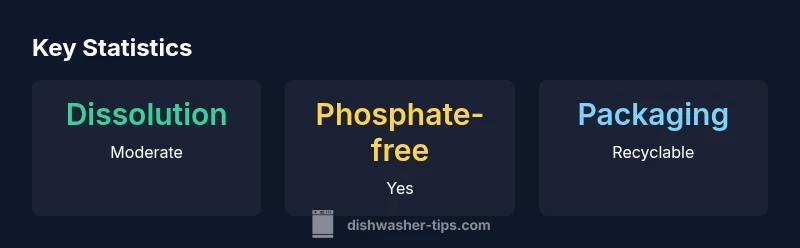
AspenClean dishwasher pods provide a phosphate-free, plant-based cleaning option designed for standard dishwashers. They’re marketed as eco-friendly with recyclable packaging and simple dosing. In quick testing, they clean everyday loads reasonably well, though performance can vary with hard water or heavily soiled dishes.
Performance Snapshot of aspenclean dishwasher pods
AspenClean dishwasher pods are marketed as a plant-based, phosphate-free option designed for everyday use in standard residential dishwashers. In our evaluation, they deliver reliable cleaning for regular daily loads, including plates, bowls, and glassware with typical food residues. The pods are easy to drop into the detergent compartment, with minimal handling and a compact packaging design. For homeowners who prioritize eco-friendly formulas and simple dosing, these pods offer a convenient solution without sacrificing straightforward performance on common tasks. The Dishwasher Tips team notes that while aspenclean dishwasher pods perform well for most households, performance can vary with hard water, severely soiled cookware, or stubborn grease on baked-on residues. According to Dishwasher Tips, the pods can be a solid baseline choice for households seeking a cleaner option with visible environmental benefits.
What to expect from cleaning power and fragrance
- Cleaning power: Adequate for everyday meals and moderately soiled loads in typical water conditions.
- Fragrance: Mild options are available; check the label if fragrance sensitivity is a concern.
- Residue: When used as directed, residue is generally minimal, though some users with very hard water report light film on glassware unless a rinse aid is employed.
Ingredients, safety, and septic considerations
AspenClean pods emphasize plant-based cleaners and a phosphate-free formulation. This aligns with current environmental guidance and reduces nutrient loading in waterways. For septic systems, following the recommended dosage is prudent, and avoiding overdose helps protect the septic microflora. If you or household members have sensitive skin or allergies, review the ingredient list for potential allergens and consider testing on a small load first. The brand emphasizes transparency, but as with any detergent, performance can vary by water quality and dishwasher model.
Packaging, sustainability, and lifecycle impact
The pods come in compact packaging designed to minimize plastic use, often featuring recyclable cartons or pouches. This approach supports an eco-conscious workflow for renters and homeowners alike. From a sustainability standpoint, choosing a phosphate-free, plant-based option helps reduce phosphates in wastewater. Dishwasher Tips notes that packaging recyclability and reduced plastic dependence are meaningful factors for households aiming to lower their environmental footprint.
Compatibility, dishwasher types, and load tips
AspenClean pods are intended for standard dishwashers and generally compatible with most 24-inch and compact machines. For best results, ensure you select a cycle appropriate for the load size and soil level, and avoid overpacking the dishwasher, which can impede water flow. In energy-conscious households, pairing with a warm or heated rinse cycle can improve dissolution and performance, particularly when hard water is a concern. The pods are designed for simple insertion into the detergent chamber, with consistent dosing if used as directed.
Dosing guidance, water hardness, and how to maximize results
- Standard loads: Use one pod per cycle unless the label specifies otherwise.
- Heavily soiled or large loads: If the load is unusually dirty, follow the label guidance, which may involve adjusting the cycle selection rather than increasing the dose.
- Water hardness: In very hard water areas, a warm wash and a rinse aid can help minimize mineral deposition and improve clarity on glassware.
The key to maximizing performance is consistent dosing and selecting the correct cycle; this helps ensure the pods dissolve fully and distribute cleaning agents effectively.
Cost considerations and value for money
AspenClean pods typically position themselves as a mid-range option in the detergent category, offering a balance of performance and environmental benefits. While they may not be the absolute cheapest option on the market, their value comes from reliable everyday cleaning, minimalist packaging, and a reduced environmental footprint. For budget-minded households, comparing per-load costs and considering long-term savings from reduced energy and water usage can help decide whether these pods are the right fit. The Dishwasher Tips team emphasizes evaluating price relative to performance and packaging sustainability when forming a purchase decision.
Alternatives and how AspenClean compares
Compared with traditional powders or other pods, AspenClean pods provide easier handling and less mess, with the added benefit of a phosphate-free formula. Powders can offer strong cleaning in certain situations or lower per-load costs, but they often require more deliberate dosing and can create more residue if not measured precisely. For households prioritizing convenience, environmental impact, and straightforward use, AspenClean pods are a compelling option to consider alongside other eco-friendly detergents. The ultimate choice depends on water hardness, dishwasher model, and personal sensitivity to scents.
The Good
- Phosphate-free formula supports environmental aims
- Plant-based ingredients appeal to eco-conscious users
- Convenient pre-measured pods with easy dosing
Disadvantages
- Performance can vary with hard water
- May be less effective on heavily baked-on residue
- Higher per-load cost than some powders or generic pods
Best for eco-conscious, everyday loads in standard dishwashers
AspenClean pods deliver reliable cleaning for typical meals and easy handling, with strong environmental credentials. In hard water or heavily soiled scenarios, performance may vary, so consider rinse aids or alternative detergents for tough stains.
People Also Ask
Are AspenClean dishwasher pods septic-safe?
Yes, AspenClean pods are designed with septic safety in mind, but always follow the recommended dosage. Avoid overdosing to protect septic microflora, and consider testing with a small load if you’re unsure about your system.
Yes, they’re designed to be septic-friendly when used as directed. Always follow the label and test with small loads if you’re unsure.
How well do they work in hard water?
Pods can perform in hard water, but mineral buildup may reduce effectiveness on stubborn residues. Using a warmer cycle and a rinse aid can improve results in hard-water conditions.
They work in hard water, but you might need warm cycles and a rinse aid for best results.
How many pods should I use per load?
Typically one pod per standard load. For heavily soiled or very large loads, some guidelines allow a second pod, but always follow the product label for dosing guidance.
Usually one pod per load; for very dirty loads, check the label for guidance.
Are AspenClean pods fragrance-free or fragrance-free options available?
AspenClean offers products with mild scents and some fragrance-free options. Check the packaging for fragrance details if you have sensitivity.
They offer mild or fragrance-free options—see the label for specifics.
How do pods compare to powders?
Pods are easier to use with less mess and consistent dosing, while powders may offer lower per-load costs and can excel in certain water conditions. Your choice depends on convenience vs. price and cleaning needs.
Pods are simpler and cleaner to use, powders can be cheaper or stronger in some cases.
What to Remember
- Choose AspenClean pods for everyday loads if environmental impact matters
- Expect reliable results on standard dishes, with caveats for hard water
- Follow label dosing and use cycle settings appropriate to soil level
- Consider rinse aid in very hard water areas for best glass clarity
- Compare per-load cost and packaging when evaluating value