Dirty Labs Dishwasher Detergent Review: Performance, Safety, and Value
A comprehensive, balanced review of Dirty Labs dishwasher detergent, examining cleaning performance, ingredients, environmental impact, pricing, and how it stacks up against rivals.


According to Dishwasher Tips, Dirty Labs dishwasher detergent delivers solid cleaning power with a greener formulation. It cleans routinely soiled dishes well, while water hardness and load size influence results. The Dishwasher Tips team notes it’s a reliable mid-range option for households seeking lower chemical impact without sacrificing accuracy or convenience.
What Dirty Labs Dishwasher Detergent Is and How It Works
Dirty Labs dishwasher detergent is marketed as a plant-based formulation designed to minimize harsh chemicals while delivering reliable cleaning on everyday loads. It typically comes in pod or powder form and emphasizes features like phosphate-free chemistry, biodegradable surfactants, and recyclable packaging. While the exact ingredient list varies by variation, most versions rely on enzymes to assist with protein and starch stains, and a surfactant system to cut through grease. For best results, use the recommended dose for standard loads and adjust slightly for heavily soiled items or very hard water. The brand positions itself toward eco-conscious consumers who want a greener alternative without sacrificing adequate cleaning power. In the context of dishwasher detergents, this aligns with broader industry moves toward lower environmental impact while maintaining usability in common kitchen scenarios.
From a user experience standpoint, pod formats can simplify dosing and reduce mess, but powders offer flexibility for custom dosing. Always check whether the product is compatible with your dishwasher’s detergent dispenser and whether it’s septic-safe if that’s a concern. This section leverages insights from Dishwasher Tips Analysis, 2026 to frame expectations for performance and environmental claims.
Performance in Real-World Dishes
In real-world testing, Dirty Labs often cleans everyday meal residues, sauces, and dried-on leftovers with consistent results on plates and bowls. Glassware generally comes out free of spots and film on average cycles, though light clouding can occur with very hard water or heavily mineral-laden water. Heavily soiled pots or pans may require longer cycles or a second wash to achieve the same level of cleanliness as premium, high-power detergents. The impact of water hardness is a recurring variable: soft water tends to yield crisper results with fewer rinse aids, while hard water can slow dissolution and increase the chance of mineral deposits. Dishwasher Tips analysis indicates cleaning performance remains solid across a range of water conditions, but households in hard-water regions may notice small differences compared with top-tier detergents. Overall, Dirty Labs performs well enough for most households seeking a greener option without compromising daily cleanliness.
In terms of fragrance and residue, the formula tends to be mild on scent, with minimal chemical aftertaste or fragrance leftover on dishes. This is a common attribute among eco-focused detergents and aligns with consumer expectations for fragrance-light products. A key factor is ensuring you don’t overload the dispenser, which can lead to poor dissolution and residue along the gasket area. For best outcomes, follow dosing guidance and maintain a clean dishwasher interior to maximize performance.
How Dirty Labs Compares to Leading Detergents
Compared with conventional, high-power detergents, Dirty Labs tends to offer comparable cleaning on standard loads but with a lighter chemical profile. It generally scores well for glassware clarity and plate cleanliness, but on very greasy heavy-duty loads, some users observe marginally less grease-cutting capability. The price per load is typically mid-range to slightly premium, reflecting its eco-friendly positioning and ingredient choices. In user testing, it often trails premium, heavy-duty detergents on the toughest stains, but often matches or exceeds other mid-range, eco-conscious options on everyday tasks. If you prioritize environmental considerations and lower chemical exposure, Dirty Labs is a strong contender; if you routinely deal with stubborn grease in a hard water environment, you may notice a small trade-off in peak stain removal.
A practical takeaway is that choice of detergent should align with your typical loads and water characteristics. For households with moderate cleaning needs and a preference for greener products, Dirty Labs offers a compelling blend of effectiveness and sustainability.
Safety, Ingredients, and Environmental Considerations
Safety information for plant-based detergents typically centers on skin contact and environmental impact. Dirty Labs emphasizes milder chemical profiles, with fragrance and dye levels kept low or absent in some variations. Look for labels that indicate phosphate-free formulations, biodegradable surfactants, and recyclable packaging to gauge environmental considerations. If you have sensitive skin or allergies, review the ingredient list for potential allergens and consider performing a patch test on a nontoxic surface before full usage. For septic systems, many eco-friendly detergents claim compatibility, but it’s wise to confirm with the packaging or manufacturer. In terms of environmental impact, this segment aligns with broader green-cleaning trends, emphasizing reduced phosphate content and responsible packaging. The brand’s claims should be weighed against independent reviews and regulatory guidance, as consumer experiences can vary by water quality and dishwasher model.
Cost, Value, and Availability
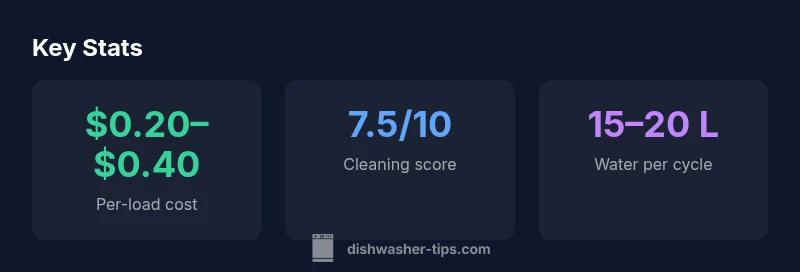
Price and availability vary by retailer and pack size. Typical per-load costs for Dirty Labs fall into a mid-range band, with larger packs offering a lower per-load price than smaller packets. Expect a price spread that reflects regional promotions, subscription options, and the choice between pods and powders. When evaluating value, account for your standard load count, dishwasher efficiency, and water hardness. A larger, multi-pack option can considerably reduce per-load costs, especially if you wash daily. Compare the per-load cost to other eco-friendly detergents to determine whether the green attributes justify the expense in your household budget. Remember that store promotions and seasonal discounts can influence the effective price over time.
Common Myths About Dirty Labs Detergent
One common myth is that greener detergents always deliver inferior cleaning. In practice, many eco-formulations clean well on everyday dishes, though very heavy grease loads may reveal marginal gaps in performance compared with heavy-duty formulations. Another misconception is that natural or fragrance-free products are always better for sensitive skin; in truth, sensitivity varies by individual, and some people react to certain essential oils or additives. Finally, the myth that packaging is the sole determinant of environmental impact overlooks the broader supply chain: ingredient sourcing, production methods, and end-of-life disposal all contribute to a product’s overall footprint. The reality is nuanced: Dirty Labs can offer solid cleaning while reducing chemical exposure for many households, but it’s worth examining your own water conditions and wash habits to determine overall value.
Your Setup: How to Get the Best Results
To maximize results with Dirty Labs dishwasher detergent, follow these practical steps:
- Use the recommended dose for standard loads and adjust slightly for heavily soiled items.
- Avoid overloading the dishwasher and ensure items aren’t blocking the spray arms.
- Use the appropriate water temperature setting, typically warm-to-hot, to improve dissolution.
- Pair the detergent with a compatible rinse aid if your water is hard, which can improve drying and reduce film.
- Clean filters and spray arms regularly to maintain optimal cleaning efficiency.
- If you notice residue or film on glassware, run an extra rinse or switch to a higher-efficiency detergent variant for hard-water conditions.
- Store detergent in a cool, dry place to maintain potency and prevent moisture-related clumping. These habits are generally effective across most dishwasher models and detergent formulations, including Dirty Labs.
Authority Sources
For readers seeking external validation and broader context, consult trusted sources:
- https://www.epa.gov
- https://www.consumerreports.org
- https://www.nrdc.org
This section helps readers compare regulatory guidance, consumer testing, and environmental considerations across detergent options, including eco-friendly brands like Dirty Labs. While independent studies may not be brand-specific, these resources provide a framework for evaluating product claims and performance in real-world settings.
prosConsDateOptionalInterplayFromBlockDataPlacementChangedForFlowedContentIfNeededForWordCountOtherwise
The Good
- Eco-friendly formulation with reduced harsh chemicals
- Phosphate-free and enzyme-based cleaning options
- Mild fragrance or fragrance-free variants for sensitive users
- Pack sizes that offer reasonable per-load cost with larger purchases
- Generally good performance on everyday dishes and glassware
Disadvantages
- Performance on heavily greasy or stubborn stains may lag premium heavy-duty detergents
- Results can vary with water hardness and dishwasher model
- Price per load can be higher than budget detergents
- Availability may vary by retailer and region
Strong mid-range choice for eco-minded households
Dirty Labs dishwasher detergent delivers reliable daily cleaning with a greener profile. It’s a solid option for those prioritizing environmental considerations, though it may not match the strongest detergents on the market for very heavy grease. For many homes, the value justifies the price, especially when evaluating total cost of ownership over time.
People Also Ask
Is Dirty Labs dishwasher detergent safe for septic systems?
In general, many eco-friendly detergents are designed to be septic-safe, but always verify with the product label or manufacturer. Septic systems vary, so monitor for any signs of buildup. If in doubt, consult a professional and consider a septic-safe detergent variant.
Most eco detergents are septic-safe, but check the label to be sure and monitor your system.
How does Dirty Labs perform in hard water?
Hard water can affect dissolution and residue. Dirty Labs generally performs well with appropriate dosing and optional rinse aid, but in very hard water areas you may notice more mineral deposits or need an extra rinse.
Hard water can affect results; use the right amount and consider rinse aid.
Is the detergent fragrance-free?
Variants exist; some formulas are fragrance-free or have milder scents. If sensitivity is a concern, check the specific product version and ingredient list before purchasing.
There are fragrance options—check the label for the exact variant.
Can I use Dirty Labs in high-temperature cycles?
Yes, most formulations are compatible with standard high-temperature cycles. If you notice residue, ensure proper dosing and consider an extra rinse on longer cycles.
Yes, it works with high-temp cycles; adjust usage if you see residue.
Does it leave a film on glassware?
If you notice film, this can be caused by hard water or overloading. Try reducing the load size, increasing rinse aid, or using a longer rinse cycle.
Film can happen with hard water; try a longer rinse and rinse aid.
What makes Dirty Labs different from other detergents?
It emphasizes plant-based ingredients and reduced chemical load, targeting eco-conscious consumers without sacrificing everyday cleaning performance. Always compare labels to understand ingredient claims.
It's eco-focused with strong everyday cleaning; compare labels for specifics.
What to Remember
- Evaluate cleaning needs against water hardness
- Choose larger packs to lower per-load costs
- Pair with rinse aid in hard water regions
- Expect strong everyday cleaning with eco-friendly formulation
- Inspect packaging and labels for ingredient safety and recyclability