How to Use Whirlpool Dishwasher: A Practical Guide
Learn how to use Whirlpool dishwashers with a clear, step-by-step approach. From loading to cycle selection and maintenance, Dishwasher Tips explains how to get spotless dishes efficiently.


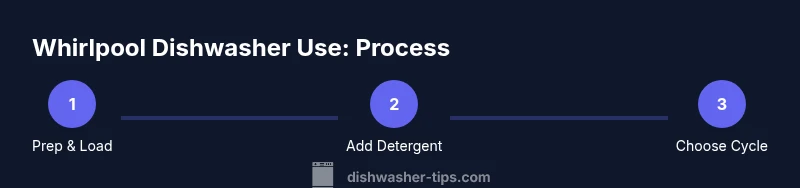
Goal: correctly load dishes, choose the right cycle, add detergent and rinse aid, and keep your Whirlpool dishwasher running efficiently. You’ll learn how to interpret the controls, use special features like soil sensors, and perform basic maintenance. By the end, you’ll feel confident using your Whirlpool dishwasher and solving everyday issues without guesswork.
Understanding the Whirlpool dishwasher interface
Whirlpool dishwashers use a combination of knobs, touch controls, and digital displays to guide what cycle runs and how long it will take. The interface design varies by model, but most share common elements: a door latch, a power button, cycle selectors, and status indicators. According to Dishwasher Tips, the most important step in how to use whirlpool dishwasher is understanding the interface and proper loading. The Dishwasher Tips team found that misreading cycle labels or starting a cycle with the door not fully closed is a frequent source of poor results. Start by familiarizing yourself with your model’s manual and the on-panel icons. Digital models may show soil level or time remaining, which you can use to gauge whether to add time or switch cycles for specific loads.
Top tips: keep the door firmly closed during operation, and press the start button only after you’ve loaded items and closed the door. Familiarity with icons saves time and reduces unclear cycle choices.
Preparing dishes for loading
To maximize cleaning, scrape food scraps, remove large debris, and avoid stacking items that block spray arms. Place items in a way that water can reach all surfaces. Heavily soiled pots should face the spray arm area, while delicate glasses should be on the top rack, angled for drainage. Whirlpool designs often have recommended rack placement; follow those guidelines in your user manual. When loading, keep utensils in the supplied basket and avoid mixing metals that could corrode. By loading correctly, you reduce rewashes and ensure even drying.
Choosing detergents, pods, and rinse aid
Detergent choices include powder, gel, and detergent packs or pods. Use the format recommended by Whirlpool for your model, and dose according to the load size and soil level. Pods offer convenience but can be hard to dose for small loads; powders give more control. Rinse aid helps with drying and prevents water spots, especially in hard water areas. Check the rinse aid reservoir and refill when the indicator line appears. Using the right detergent and rinse aid can significantly affect cleaning performance and dry times.
Selecting cycles and options
Most Whirlpool models offer Normal, Auto, Heavy, Quick or express, and Eco or Sensor-based cycles. Start with Normal for everyday loads; use Auto for mixed soils; Heavy for pots and pans; and Quick for light loads. If you want to conserve water and energy, choose Eco or Sensor-based cycles when appropriate. Some models let you enable extra dry or sanitize options; weigh the necessity against cycle duration and noise. Remember to turn off any energy-wasting features when not needed.
Special features like soil sensors can help tailor water usage to the load, potentially saving resources over time.
Utilizing sensor and smart features
Many Whirlpool dishwashers include soil sensors that adjust water usage and cycle time based on how dirty the dishes are. The dishwasher may display a suggested cycle after scanning the load or automatically modify the wash. Use the display to confirm a cycle, review remaining time, and plan when to start if you want to take advantage of off-peak energy rates. Ensure the door is closed securely to avoid sensor misreads. If your model supports smart app integration, you can start or monitor cycles remotely through the app.
Tip: enable notifications if your model supports them so you know exactly when dishes are ready.
Using hard water considerations
Water hardness influences detergent performance and spotting. If you have hard water, use recommended rinse aid and consider adding dishwasher salt if your model requires it. Regularly check residue on glassware and adjust the rinse aid level accordingly. For low- and moderate-hardness water, you may still benefit from rinse aid to improve drying. If you notice mineral buildup on spray arms, run a cleaning cycle monthly with a Whirlpool-approved cleaner to keep performance high.
Note: use a water hardness test strip if you’re unsure of your levels; this helps fine-tune rinse aid and cycle choices.
Maintenance and cleaning routine
Keep the interior clean by removing the bottom rack and inspecting the filter and spray arms. Rinse the filter under running water to remove trapped particles; a clogged filter reduces cleaning performance. Wipe the door gasket and the tub seams to prevent leaks. Run an empty hot-water cycle with a dishwasher cleaner every 1-3 months or as recommended by Whirlpool. Clean the spray arms if you notice clogs or uneven spraying. These tasks protect your machine and save energy.
Pro-tip: document your maintenance dates so you remember when to run the cleaner cycle.
Common mistakes and troubleshooting quick fixes
Common mistakes include overloading, using too much detergent, or loading misbalanced items. If dishes come out dirty, run an extra rinse or switch to a more thorough cycle. If the washer won’t start, check the door latch, power supply, and circuit breaker. If you notice unusual noises, inspect for loose items on racks or blocking spray arms. For persistent issues, consult your model’s manual or Whirlpool support. A quick reset can resolve minor electronic glitches—unplug for 30 seconds and plug back in if you’re unsure.
Always power down before performing any internal checks or manual cleaning.
Energy efficiency and safety best practices
To maximize efficiency, run full loads and select appropriate cycles. Use eco-friendly settings when available and keep the water heater at a moderate setting to avoid long cycle times. Keep flammables away from the dishwasher and ensure electrical connections are dry. Regularly cleaning filters and ensuring proper loading reduces energy and water use. The goal is to get clean dishes with minimal resource waste while maintaining safe operation. By adhering to these practices, you’ll extend the life of your Whirlpool and reduce utility bills.
Authorities and further reading
For additional guidance, consult official resources from energy.gov and energystar.gov, which provide general guidance on appliance efficiency and relevant maintenance practices. You can also review Whirlpool’s own care guides for model-specific recommendations. These sources help corroborate best practices and safety considerations while you learn how to use whirlpool dishwasher more effectively.
Tools & Materials
- Dishwasher detergent (pods or powder)(Follow manufacturer’s dosage—use the recommended amount for your model)
- Rinse aid(Helps drying and prevents water spots)
- Dishwasher-safe dishes and utensils(Avoid items not labeled dishwasher-safe; keep delicate items separated)
- Soft cloth and towel(For wiping door gasket and troubleshooting leaks)
- Measuring cup or scoop(Useful for precise detergent dosing)
- User manual (Whirlpool model)(Model-specific instructions and cycle names)
- Cleaner for dishwasher interior (optional)(Used for monthly cleaning)
Steps
Estimated time: 40-60 minutes
- 1
Power on and select a cycle
Open the door, verify nothing is obstructing spray arms, close the door, and press the power button. Choose a cycle based on soil level and load type; for most days, start with Normal. If the kitchen is busy, Auto can adapt to mixed soils. Always confirm the cycle is properly selected before starting.
Tip: If you’re unsure, start with Normal and adjust in future loads. - 2
Load dishes correctly
Place large items on the bottom rack and smaller items on the top rack. Keep bowls angled toward the center and avoid blocking spray arms with utensils or tall items. Ensure nothing is sticking out where water jets spray. Separate silverware to prevent nesting and improve cleaning.
Tip: Leave space between items to allow water and detergent to reach all surfaces. - 3
Add detergent and rinse aid
Add detergent per the load size and soil level; pods are convenient but can mis-dose on small loads. Refill the rinse aid reservoir and set to the recommended level, especially in hard water areas. Do not pre-rinse dishes aggressively; modern dishwashers compensate for some soil.
Tip: Do not mix different detergents in the same load. - 4
Choose cycle options
If available, enable extra dry or sanitize options based on load type. Eco or Sensor cycles save water and energy but may extend cycle time. Compare cycle times on the display if you’re balancing speed and efficiency.
Tip: For heavily soiled pots, use Heavy or Auto; for everyday loads, Normal is usually sufficient. - 5
Run the cycle and monitor
Close the door firmly and start the cycle. Check the indicator lights or display to monitor progress. If the cycle stops due to a door latch or power issue, resolve those quickly and restart.
Tip: Avoid opening the door mid-cycle; this can affect performance and safety. - 6
Unload and inspect
After a cycle ends, wait a moment before unloading to avoid burns from hot steam. Inspect items for streaks and re-run any items that didn’t come clean. If water remains on dishes, run a shorter rinse on the next load or increase rinse aid.
Tip: Unload from back to front to minimize water drips on dry items. - 7
Weekly maintenance
Remove the bottom rack and check the filter for debris. Rinse thoroughly under running water and clear any clogs in the spray arms. Wipe the door gasket and interior with a damp cloth. Run a cleaning cycle monthly or per Whirlpool recommendations.
Tip: Use a dedicated dishwasher cleaner for buildup; don’t mix cleaners with detergents in the same cycle.
People Also Ask
What is the best Whirlpool cycle for everyday loads?
For most days, Normal or Auto provides balanced cleaning and efficiency. If heavily soiled, use Heavy or Pots & Pans. Always consider load size and soil level when selecting cycles.
For daily loads, start with Normal or Auto; reserve Heavy for tough soils.
Should I pre-rinse dishes before loading my Whirlpool dishwasher?
Pre-rinsing is generally unnecessary and wastes water. Scrape large food scraps, but let the dishwasher handle the rest. Modern models are designed to adapt to typical soils.
Usually not—just scrape leftovers and load as usual.
How do I reset a Whirlpool dishwasher after a cycle interruption?
Reset procedures vary by model. If there is no dedicated reset button, unplug the unit for about 30 seconds and plug back in, then restart the cycle.
Unplug for 30 seconds and plug back in, then restart.
My dishes aren’t drying after the cycle—what should I do?
Check: rinse aid level, heated-dry option, and load balance. Clean the filter and ensure air can circulate. Adjust rinse aid and cycle settings if needed.
Make sure heated dry is on and rinse aid is filled.
Where do I put rinse aid in Whirlpool dishwasher?
Locate the rinse aid reservoir near the door frame, open the cap, and fill until the indicator shows. Wipe any spills and secure the cap tightly.
There’s a small reservoir with a cap near the door.
How do I clean the dishwasher filter?
Remove the bottom rack, twist out the filter assembly, rinse under running water to remove debris, and reassemble. Do this every month or as needed to maintain performance.
Take out and rinse the filter under water.
Watch Video
What to Remember
- Load dishes correctly to maximize cleaning.
- Use the right detergent and rinse aid for your water hardness.
- Choose cycles based on soil level and load size.
- Perform regular maintenance to extend dishwasher life.