How to Deal with Smelly Dishwasher
Learn practical, proven steps to eliminate dishwasher odors, clean seals and filters, and establish a maintenance routine to prevent future smells and residue.


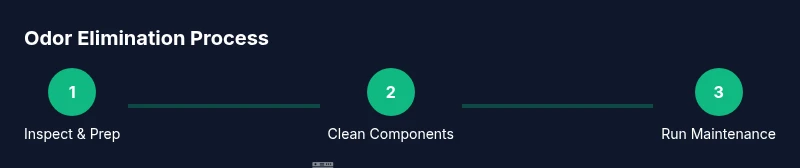
You can stop dishwasher odors by a thorough interior clean, removing trapped debris, and running a maintenance cycle. Start with a scrub of racks, seals, and the drain, then run an empty hot cycle with a dishwasher cleaner or white vinegar, followed by a baking soda rinse. Establish a routine to prevent future smells.
Why a Smelly Dishwasher Happens\n\nMost odors in dishwashers come from trapped food particles, grease buildup, mold, and standing water in hard-to-reach areas like the filter, drain, and door gasket. Over time, soap scum and mineral deposits from hard water can contribute to a musty aroma. Regular cleaning routines and vigilance about seals, spray arms, and the filter dramatically reduce odor risk. According to Dishwasher Tips, improper drainage and residue buildup are common culprits in many homes, but simple maintenance can prevent most smells.
Quick Home Remedies You Can Try\n\nStart with quick checks before deeper cleaning. Empty the dishwasher, remove racks, and wipe the door seal with a damp cloth. Run a hot empty cycle with a store-bought dishwasher cleaner or a cup of white vinegar on the top rack. Do not mix cleaners with bleach or ammonia. When the cycle finishes, sprinkle baking soda on the bottom and run a short hot cycle to neutralize any remaining odor. These steps set a solid baseline without expensive tools.
Cleaning the Drain, Filter, and Spray Arms\n\nA clogged filter or drain is a common odor source. Remove and rinse the filter, then inspect the drain for debris. Use a soft brush or old toothbrush to scrub spray arms and nozzles; dislodge mineral buildup with a gentle spray of warm water. Pay attention to crevices around the door latch and gasket. Dry all components thoroughly before reassembling. Regularly cleaning these parts reduces odor persistence and improves overall performance.
Choosing the Right Cleaners and Detergents\n\nSelect cleaners and detergents that are effective but gentle on seals and hoses. Look for enzyme-based formulas that break down organic residue, and consider a rinse aid to promote thorough drying and reduce water spots. If you have hard water, a mineral-removing cleaner can help prevent scale buildup. Avoid harsh chemicals that can degrade rubber seals over time, and always follow manufacturer recommendations for your model.
Regular Maintenance to Prevent Odors\n\nCreate a simple maintenance routine: check the filter monthly, wipe seals weekly, and run a hot cleaning cycle every 1–2 months depending on usage and water hardness. Keep the door slightly ajar after cycles to allow air drying, and consider a monthly deep clean with a dishwasher-safe cleaner. This proactive approach minimizes residue and keeps odors from returning.
Troubleshooting Persistent Odors\n\nIf odors persist after cleaning, inspect for leaks or standing water underneath and around the appliance, which can indicate drainage issues or a failed pump. Run a diagnostic cycle if your model offers one, and check the drain hose for kinks. If the smell remains, it may be time to replace worn gaskets or seals, or seek professional service to rule out more serious problems like contamination in the plumbing.
Quick Daily/Weekly Habits to Keep Odors Away\n\nDaily: scrape dishes clean before loading; weekly: inspect the filter and seals; monthly: run a maintenance cycle with a dishwasher-safe cleaner. These small habits prevent buildup and keep the interior dry, which is essential for odor control. Keeping the interior dry after cycles is often the single most effective habit for odor prevention.
A Real-World Checklist for Odor-Free Dishwashers\n\n- Empty and inspect before cleaning.\n- Clean filter, drain, and spray arms.\n- Run hot cycle with cleaner or vinegar, then a baking soda rinse.\n- Wipe seals and door gasket, then dry thoroughly.\n- Schedule regular maintenance and monitor for signs of mold or mildew.
Tools & Materials
- Rubber gloves(Protect hands during cleaning)
- Soft cloths and sponges(For wiping seals and surfaces)
- Old toothbrush or brush(Scrub spray arms and tight spaces)
- Dishwasher cleaner tablets or powder(Follow label directions)
- White vinegar(Optional maintenance cycle cleaner)
- Baking soda(For deodorizing and freshening)
- Bucket or sink(For rinsing items)
- Gloves, towel, and drying rack(Assist drying and handling parts)
Steps
Estimated time: 60-90 minutes
- 1
Prepare and inspect
Unplug if accessible and empty the dishwasher. Remove racks to access the interior and visually inspect for obvious debris in the filter, drain, and door area.
Tip: Use a flashlight to check hard-to-see corners; early debris removal prevents deeper buildup. - 2
Remove and clean the filter
Take out the filter and rinse under warm running water. Scrub away any trapped food particles with a soft brush and dry completely before reassembling.
Tip: A clogged filter is a primary odor source; do not skip this step. - 3
Scrub the door seal and edges
Wipe the door gasket and the crevices around the door with a damp cloth. Remove slimy residues and wipe dry to prevent mold growth.
Tip: Pay special attention to folds where debris collects. - 4
Clean spray arms
Remove spray arms if possible and rinse, using a brush to clear blocked holes. Reattach securely after drying.
Tip: Blocked nozzles reduce cleaning efficiency and contribute to odors. - 5
Run a cleaning cycle
Place dishwasher cleaner on the lower rack or run an empty hot water cycle with a cup of white vinegar on the top rack. Do not mix cleaners with bleach or ammonia.
Tip: If your model has a self-clean cycle, use it as an alternative. - 6
Deodorize and dry
After cleaning, sprinkle baking soda on the bottom and run a short hot cycle to neutralize odors. Leave the door ajar to dry completely.
Tip: Dry interior thoroughly to prevent future mold growth. - 7
Reassemble and test
Replace racks and filters, run a test load with a few dishes to confirm no remaining odors. Check for any drips or leaks during operation.
Tip: If you notice odor during the test, repeat targeted cleaning on suspect areas.
People Also Ask
Why does my dishwasher smell even after washing?
Odors usually come from trapped food, grease, mold, or residue in the filter, drain, and door gasket. If you don’t clean these parts regularly, odor can persist even after cycles.
Odors come from stuck food and mold in the filter or seals; regular cleaning of those parts stops the smell.
Is it safe to use vinegar in a dishwasher?
Vinegar is a common cleaner for odor removal, but avoid using bleach or ammonia alongside it. Some manuals caution against frequent vinegar use on rubber seals, so limit heavy use and alternate with a dishwasher-safe cleaner.
Vinegar can help, but don’t mix it with bleach or ammonia and don’t rely on it every cycle.
How often should I clean my dishwasher to prevent odors?
Aim for a quick wipe-down weekly, a full filter and gasket clean monthly, and a hot cleaning cycle every 1–2 months depending on use and water hardness.
Clean the filter monthly and run a hot cycle every couple of months to prevent smells.
Can a clogged drain cause odors?
Yes. A clogged drain traps residues and stagnant water, which can produce odors. Clear the drain and ensure proper drainage to stop smells.
A blocked drain traps stink; clear it to stop the odor.
What should I use to remove odor without damaging components?
Use enzyme-based cleaners or dishwasher-safe cleaners designed for interior use. Avoid harsh solvents or abrasive tools on rubber gaskets to prevent damage.
Choose gentle, dishwasher-safe cleaners and avoid harsh abrasives.
Why does odor persist after cleaning?
Persistent odors can indicate hidden mold in seals, a slow drain, or a failing pump. If smells return after cleaning, inspect for leaks, replace worn gaskets, or seek professional help.
If smells keep returning, check seals and drains and consider a professional check.
Watch Video
What to Remember
- Start with a full interior clean and filter check.
- Use hot cycles and appropriate cleaners for odor removal.
- Regular maintenance prevents future smells.
- Address persistent odors with drain and gasket inspection.