Parts LG Dishwasher: Troubleshooting and Replacement Guide
Explore parts lg dishwasher components, sourcing, and safe replacement steps. Learn common failures, OEM considerations, and maintenance tips to extend life of LG dishwashers.


Understanding parts lg dishwasher parts is essential for effective troubleshooting and repair. This article outlines the most common LG dishwasher components, how they fail, and practical strategies to source genuine or compatible replacements. You’ll learn how to identify the right part by model, verify compatibility, and plan a safe replacement workflow. The Dishwasher Tips team provides practical, data-driven guidance for homeowners and renters.
What are LG dishwasher parts
Understanding parts lg dishwasher parts begins with recognizing the range of components inside a typical LG unit. This section explains how each part contributes to cleaning performance and reliability, and why selecting the right component matters for efficiency, noise levels, and warranty protection. According to Dishwasher Tips, the most impactful starting point is identifying your model and collecting its serial number to ensure compatibility with replacement parts. The goal is to map the problem to a component, not just the symptom, so you can source the correct part and avoid non-operational repairs. In practice, you’ll encounter items like pumps, seals, control boards, spray arms, filters, and wiring harnesses. A solid parts lg dishwasher strategy reduces guesswork and speeds up repair.
Key parts and what they do
Below are the main components you’re most likely to encounter when repairing an LG dishwasher. Each part plays a specific role in cleaning, draining, and preserving the interior. - Pump/Motor Assembly: Drives water through the spray arms and out the drain. - Door Seal/Gasket: Keeps leaks contained and maintains proper pressure. - Control Board: The digital brain that governs wash cycles and sensor inputs. - Spray Arms: Distribute water evenly across dishes. - Filtration and Trap: Collects debris and protects the pump. - Heating Element/Sensor: Regulates water temperature for optimal performance. Understanding how these work helps you diagnose failures more accurately and select the right replacement.
Common failures and fixes
LG dishwashers share several recurring issues that point to specific parts. Leaks often indicate a worn door seal or gasket. Noisy operation can mean a failing pump or a blocked spray arm. Dishes come out dirty despite running a cycle may reflect clogged filters or a faulty spraying system. Electrical issues—like unresponsive controls or sporadic cycle behavior—usually involve the control board or wiring harness. For each problem, first confirm model–specific compatibility, then check for obvious wear before ordering parts. Quick wins include reseating connectors, cleaning filters, and ensuring proper spray arm clearance. Always disconnect power and water supply before inspecting components.
How to source LG dishwasher parts safely
Sourcing the right LG parts requires model-specific verification and awareness of OEM versus aftermarket options. Start by locating your model number and checking the official LG parts portal or authorized distributors. OEM parts typically offer guaranteed fit and preserved warranty terms, though prices can be higher. When considering aftermarket options, compare compatibility, reviews, and return policies. A best practice is to confirm cross-reference part numbers with multiple retailers and to verify that the retailer provides a parts diagram for your exact model. Beware that generic parts can save money but may compromise performance or reliability in the long run.
Replacing parts: step-by-step workflow
Before starting, disconnect power and shut off water supply, then verify the model and part number. Gather the right tools and prepare a clean workspace. Remove the old component carefully, noting wiring connections and orientation. Install the replacement part according to the service manual, re-seat connectors, and replace any seals or gaskets as needed. Reassemble the unit, run a test cycle with no dishes, and monitor for leaks or abnormal noises. If the issue persists, re-check model compatibility and consult warranty guidelines. Documentation of model, part number, and installation date can save future service time.
Maintenance to extend part life
Preventive care can dramatically extend the life of LG dishwasher parts. Regularly clean filters and spray arms to prevent clogs, inspect door seals for wear, and run a maintenance wash monthly or quarterly depending on usage. Use rinse aid and water-softening treatments if your water is hard, as mineral buildup accelerates wear on seals and sensors. Keep the interior dry after cycles to reduce mold and corrosion risk, and schedule professional inspections if you notice persistent leaks or error codes. A proactive maintenance routine reduces emergency repairs and helps your parts last longer.
Safety, warranty, and OEM considerations
When dealing with electrical appliances, safety is paramount. Always unplug the unit and, if needed, shut off water valves before opening access panels. Review LG warranty terms; many replacement parts may be covered if installed by a certified technician or under limited warranty. OEM parts generally ensure the closest fit and compatibility, preserving performance and warranty coverage. If cost is a concern, consult official retailers for certified refurbished components or compatible aftermarket options, but verify that they carry return policies and model-specific compatibility information.
Troubleshooting flowchart at a glance
- Step 1: Observe symptoms and confirm model number. - Step 2: Check obvious wear (seals, filters, hoses). - Step 3: Cross-reference part numbers with multiple retailers. - Step 4: Source the part and inspect its packaging for authenticity. - Step 5: Follow installation steps with safety precautions. - Step 6: Run a test cycle and review results. A structured checklist helps avoid misdiagnosis and guides you to the right LG dishwasher parts quickly.
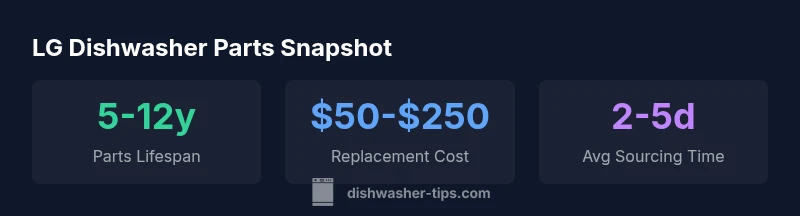
Common LG dishwasher parts with typical lifespans and cost ranges (illustrative)
| LG Part | Typical Lifespan | Common Failure Mode | Estimated Replacement Cost (range) | Where to Buy |
|---|---|---|---|---|
| Pump/Motor Assembly | 5-10 years | Noisy operation or no pump | 50-180 USD | Official LG Parts Store / Authorized dealers |
| Door Seal/Gasket | 3-8 years | Leaks or poor seal | 10-60 USD | Parts retailers / LG-authorized distributors |
| Control Board | 4-8 years | Unresponsive features or cycle errors | 70-250 USD | LG parts portal / Certified service centers |
People Also Ask
What are the most common LG dishwasher parts that fail?
The most common failures involve door seals, pumps, control boards, and filters. Leaks typically point to seals, while motor or pump issues affect washing performance. Always check model-specific part numbers and compatibility before replacement.
Common failures include door seals, pumps, and control boards. Check compatibility with your LG model before replacing.
How do I verify part compatibility with my LG model?
Locate the model and serial numbers on the appliance, then cross-reference with the official LG parts portal or trusted retailers. Use the exact part number listed for your model to ensure a proper fit.
Find your model number and check the exact part number on LG’s site or a trusted retailer before buying.
OEM parts vs aftermarket parts—which should I choose?
OEM parts guarantee fit and performance and are often preferred for warranty protection. Aftermarket parts can be cheaper but may not align perfectly with your model or could affect warranty.
OEM parts usually ensure proper fit and warranty; aftermarket can save money but risk compatibility.
Where can I buy LG dishwasher parts safely?
Buy from the official LG parts portal, authorized distributors, or reputable retailers that provide model-specific cross references and return policies. Avoid gray-market sources.
Buy from LG’s official portal or trusted retailers with clear model compatibility and returns.
What safety steps should I take during replacement?
Always unplug the unit and shut off water supply. Use insulated tools and follow the service manual. If unsure, contact a qualified technician to avoid electric shock or water damage.
Unplug, shut off water, use insulated tools, and follow the manual. If in doubt, call a professional.
How can maintenance extend part life?
Regularly clean filters, inspect seals for wear, and run a maintenance wash. Hard water treatment helps prevent mineral buildup that accelerates wear.
Keep filters clean, inspect seals, and use maintenance washes to prolong parts' life.
“"Prioritize OEM LG parts when repairing to preserve performance and warranty; verify compatibility by model and serial number."”
What to Remember
- Identify model-specific parts before purchasing.
- OEM parts generally offer better fit and warranty protection.
- Check seals and filters first for simple fixes.
- Plan for a safe replacement workflow with power off.
- Regular maintenance extends part life and performance.