Can a Dishwasher Cause Gnats? Troubleshooting Guide
Learn how a dishwasher can contribute to a gnats problem, how to diagnose the issue, and step-by-step fixes to stop an infestation. Dishwasher Tips provides urgent, actionable guidance for homeowners and renters.


Definition: Yes, a dishwasher can contribute to gnats when moisture, food residue, or standing water accumulates around the unit. Quick fixes start with cleaning seals and filters, drying the sump area, and addressing any leaks. By preventing damp conditions, you disrupt the gnats' breeding cycle and reduce indoor pest activity.
Understanding gnats and moisture in the kitchen
Gnats are tiny flying insects drawn to moisture and organic residues. When people ask can dishwasher cause gnats, the answer hinges on moisture, food particles, and standing water around the unit. In many homes, gnats originate from damp trash, kitchen drains, or potted plants, but a poorly maintained dishwasher can contribute if water or residues linger near seals or in the sump. This section explains how gnats reach your kitchen, why dishwashers can become a vector, and what you can do to interrupt their life cycle.
- Gnats breed best in damp environments with small amounts of decaying organic matter. Even a thin film of food particles in the filter can sustain a population over days.
- Seals, gaskets, and hoses can trap moisture and provide sheltered spaces where gnats hide between cycles.
- Regular cleaning reduces food residue and biofilm, which are primary attractants for gnats around dishwashers.
- Consistent drying of the interior after a cycle minimizes standing water that gnats use to complete their life cycle.
In short, can dishwasher cause gnats? It can contribute when moisture and organic debris lie in hidden corners or plumbing, creating a welcoming breeding ground if left unchecked.
How dishwashers can unintentionally invite gnats
Dishwashers are designed to be hygienic, but a few design realities can invite gnats if not managed properly.
- Sump and filter areas collect leftover food particles. If not cleaned, this debris becomes a food source for gnats.
- Condensation and leaks around the door gasket can keep the area damp long after a cycle ends.
- Hidden residue behind the filter housing, spray arms, and drain lines can persist if the unit isn’t routinely cleaned.
- Poor drainage or a clogged filter can cause standing water, which is an ideal environment for egg-laying and larval development.
To minimize risk, perform a thorough interior clean at least monthly and inspect seals and hoses for moisture after each use.
Dishwashers can contribute to gnats when moisture and organic buildup accumulate, so keeping the interior dry and clean is essential.
Where gnats hide around a dishwasher
Gnat activity around dishwashers is typically concentrated in damp zones and nooks that are easy to overlook.
- Under the kickplate and around the base where small pools can form after leaks.
- Inside the door gasket and along the edges where condensation collects.
- In the drain trap, filter housing, and slime-lined crevices of spray arms.
- Behind the unit where plumbing connections meet the wall, especially if there’s plumbing moisture.
Understanding these hiding spots helps you target cleaning efforts and verify that the area is dry after every cycle.
Quick home checks you can perform today
Tackle these checks in a logical order to quickly assess whether the dishwasher is contributing to gnats.
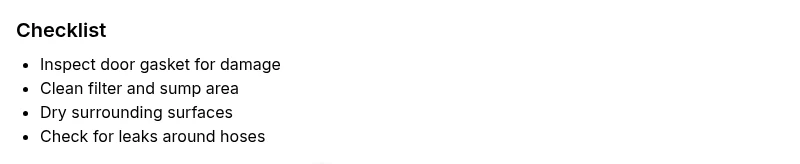
- Inspect the door gasket for cracks or gaps; replace if damaged.
- Look for standing water in the sump or residue in the filter; remove debris and rinse thoroughly.
- Wipe the interior, especially around spray arms and the door seal, with warm water and mild detergent.
- Run a short dishwasher cycle with no dishes and inspect for leaks or new moisture around seals.
- Keep the surrounding area dry post-cycle; wipe down countertops and the floor to remove moisture buildup.
If gnats persist after these checks, continue with the diagnostic flow and consider professional help.
Long-term strategies to prevent gnats around dishwashers
Prevention is the best defense against recurring gnats around dishwashers. Develop a routine that minimizes moisture, residue, and damp environments.
- Clean the filter and sump monthly, or more often if you use a high-volume dishwasher.
- Address leaks promptly: replace worn door gaskets and inspect hoses for cracks or loose clamps.
- Ensure proper drainage and air gaps where applicable to prevent standing water in the drain line.
- Keep the area around the dishwasher dry: wipe up spills immediately and ensure a dry drying area for any moisture collected during cycles.
- Consider running the dishwasher empty with a cleaning agent every 1–2 months to reduce biofilm and residue buildup.
By adopting these habits, you reduce the chance that the dishwasher becomes a gnats magnet and protect your kitchen from future infestations.
Steps
Estimated time: 1 hour 15 minutes
- 1
Power down and prepare safely
Shut off power at the outlet or circuit breaker and turn off the water supply to the dishwasher. Move dishes away and ensure the area is dry before you begin hands-on work. This protects you from electrical shock and makes inspection easier.
Tip: Never work on an energized appliance; use a dry rag to dab away any moisture. - 2
Inspect seals and hoses
Check the door gasket, hose clamps, and supply/return hoses for cracks, gaps, or looseness. Small cracks can leak moisture that attracts gnats. Address any wear or looseness before proceeding.
Tip: Use a flashlight and a mirror to check hard-to-see spots behind fittings. - 3
Clean the filter and sump area
Remove and rinse the filter and inspect the sump area for food debris or slime. A clogged filter can cause standing water and biofilm that gnats feed on. Use a soft brush and warm water; avoid harsh abrasives.
Tip: Never use metal tools that could scratch plastic parts. - 4
Clear the drain and run a test cycle
Flush the drain line with hot water and a gentle cleaner approved for dishwashers. Run an empty cycle to verify there are no leaks and the interior dries after the cycle.
Tip: Open the door slightly after the cycle to aid drying and venting. - 5
Dry the area and surrounding surfaces
Wipe the base, kickplate, and surrounding counter areas dry. Moisture around the unit invites gnats to linger. Consider a fan to promote air circulation during drying.
Tip: Do not leave standing water on the floor or near baseboards. - 6
Re-test and monitor
Plug the unit back in or restore power. Run a short cycle with dishes, then inspect for moisture and any new gnats activity over the next 24–48 hours.
Tip: If gnats reappear, escalate to professional service for potential seals or drain issues.
Diagnosis: Visible gnats or swarm around the dishwasher, especially after running cycles or when the unit is open
Possible Causes
- highPersistent moisture or standing water in the sump or drain line
- mediumOrganic buildup in filters or sump area attracting gnats
- lowLeakage from the door gasket or hoses creating a damp environment
Fixes
- easyClean and dry the sump area, filter, and drain line; run a vented drying cycle
- mediumDeep clean dishwasher interior and reseal door; check door gasket and hoses for leaks
- hardReplace damaged seals or hoses if leaks persist; consult a pro if you smell mold or persistent moisture
People Also Ask
Can gnats in the kitchen be caused solely by a dishwasher?
Yes, a dishwasher can contribute to gnats if moisture or organic debris accumulates near the unit. However, gnats also come from other sources like sinks, trash, and plants. Addressing all moisture points around the kitchen reduces the risk.
Yes, a dishwasher can contribute to gnats if moisture or debris accumulates near the unit, though other sources also matter.
How do gnats typically enter the dishwasher area?
Gnats enter kitchens by traveling through air currents and exploiting damp spaces. Around dishwashers, they often nest in the sump, filter housing, seals, or under the kickplate where moisture collects.
Gnats usually enter via damp spots around the dishwasher, especially the sump, seals, and under the unit.
What are clear signs the dishwasher is contributing to gnats?
Repeated gnat swarms near the dishwasher, moisture on the base, a milky odor from mold, or visible slime in the filter are strong indicators the unit is involved.
Look for swarms by the dishwasher, damp spots, and slime in the filter as signs the unit is involved.
How often should I clean and inspect the dishwasher to prevent gnats?
Clean filters and sump at least monthly, inspect seals for wear quarterly, and run a cleaning cycle every 1–2 months depending on usage and water quality.
Clean the filter monthly, check seals quarterly, and run a cleaning cycle every couple of months.
When should I contact a professional about gnats around the dishwasher?
If you notice persistent moisture, moldy odors, or ongoing gnats despite cleaning and drying, contact a licensed appliance technician to check seals, hoses, and drain lines for hidden issues.
If gnats persist after cleaning and drying, call a professional to inspect seals and drains.
Watch Video
What to Remember
- Identify moisture sources around the dishwasher
- Clean filters, sump, and seals regularly
- Address leaks promptly to stop gnats breeding
- Dry the area after cycles and improve drainage
- Call a professional if gnats persist after checks