Can Dishwashers Cause Fires? Risks and Prevention
Explore the fire risk from dishwashers, common ignition causes, and practical prevention tips. A data-driven, expert guide by Dishwasher Tips (2026) to help homeowners stay safe.


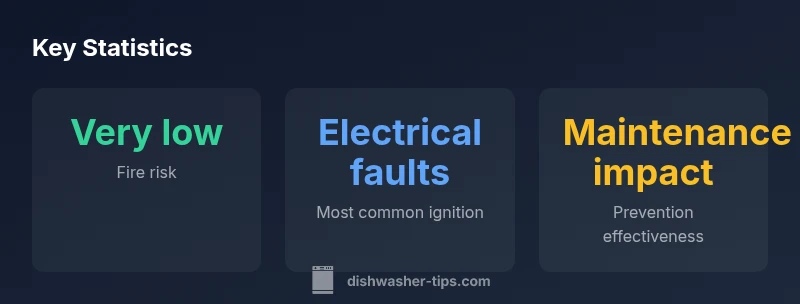
Can dishwashers cause fires? Yes, but the risk is very low and typically tied to electrical faults, overheating, or improper installation. Regular maintenance, proper wiring, and following manufacturer guidelines drastically reduce danger. This quick answer sets up a deeper dive into how fires start, how to prevent them, and when to seek professional help.
Can dishwashers cause fires? Understanding the risk
The question can dishwashers cause fires is one many homeowners ask when safety is on their minds. Overall, the risk is very low, especially for modern, properly installed machines. The key is to recognize that fires almost always result from a chain of issues rather than a single fault. Electrical faults, overheating, or moisture-related problems in critical components can create ignition conditions if left unaddressed. According to Dishwasher Tips, awareness and proactive maintenance are the most reliable protections. Real-world data from industry analysts indicate that most dishwasher-related incidents involve older units, improper wiring, or damaged power cords rather than sudden, spontaneous failures. Keeping appliances up to date with service and following the user manual dramatically reduces the chance of a combustion event. The takeaway for homeowners is simple: safety starts with correct installation, routine checks, and timely repairs.
In practical terms, can dishwashers cause fires? They can, but the probability is mitigated when households invest in proper electrical outlets, grounded plugs, and dedicated circuits for appliances. The moment you notice scorching smells, melted insulation, buzzing noises, or hot surfaces around the unit, power down, unplug, and call a licensed technician. By framing the risk as low but real, you can prioritize preventive habits without succumbing to fear.
How fires start in dishwashers
Fire can begin in a dishwasher when heat, electricity, and moisture converge. The dishwasher’s heating element is designed to raise water temperature, but if insulation is compromised, wiring is damaged, or a relay board malfunctions, overheating can occur. A short circuit in the control module or a frayed cord near water sources can spar k and ignite surrounding materials. Similarly, moisture intrusion into electrical compartments increases the risk of arcing. Over time, lint, food particles, or mineral buildup can insulate components improperly or trap heat, further elevating the danger. In many cases, the ignition source is not a single thing but a failing sequence—an old appliance, an aftermarket upgrade, or a recent relocation that altered the wiring configuration. Understanding these failure modes helps homeowners spot warning signs early and act before a fire risk escalates.
Real-world scenarios and myths
There are several common myths about dishwasher fires. A frequent misconception is that leaks always cause fires; in reality, leaks are more often a water damage concern, though standing water can create short-circuit risks if it reaches electrical components. Another myth is that modern dishwashers cannot overheat; while safer than older models, any appliance that runs hot for extended periods can become a hazard if airflow is blocked or vents clogged. Fire stories often involve neglected maintenance, such as ignoring a worn cord or letting mineral buildup accumulate on heating elements. Finally, some people assume fire risk only exists in older homes; the broader reality is that installation quality, outlet safety, and routine service influence risk across all ages of homes and units.
Prevention: practical steps you can take today
To reduce fire risk, start with basic prevention and progress to maintenance routines that fit your schedule. First, ensure each dishwasher has a dedicated, properly grounded circuit and that outlets are GFCI-protected where required by code. Inspect the power cord for cracks or fraying and replace damaged cords promptly. Next, keep the area around the dishwasher clean and free of flammable materials, and ensure the door seal and interior tub are intact to prevent moisture from seeping into electrical components. Regularly clean filters and check spray arms to prevent buildup that can overheat or trap debris. Schedule professional inspections every 3–5 years, or sooner if you notice abnormal heat, buzzing sounds, or smoke-like odors. Finally, always unplug the unit if you suspect wiring or component issues, and never operate a dishwasher with visible damage.
When to replace or repair: safety thresholds
If your dishwasher is older than 10–12 years and shows signs of frequent malfunctions, it may be safer to replace rather than repair. Components such as heating elements, control boards, and power cords wear over time, increasing the risk of faults that could lead to a fire. A technician can assess the integrity of wiring, insulation, and grounding, and recommend upgrades or replacements accordingly. If you must use an older unit, adopt a proactive maintenance routine and consider upgrading to a model with enhanced safety features, such as better thermal cutoffs, reinforced wiring, and improved moisture management. The goal is to keep heat-generating components contained and to prevent any risk from moisture ingress.
Expert-backed safety practices and checklists
Below is a practical safety checklist you can use monthly or quarterly. Inspect the power cord and plug for damage; ensure the door seal is intact and the interior is free of debris; verify the unit is level and flush against a solid base; confirm the outlet is not overloaded with other devices; and listen for unusual noises during operation, which could indicate motor or pump trouble. Keep flammable items away from the dishwasher, and ensure proper ventilation around the unit. If any warning signs appear, call a licensed technician rather than attempting DIY repairs. By integrating these practices into your routine, you reinforce your home’s safety posture and minimize the likelihood of an ignition incident.
Common ignition sources and practical mitigations
| Cause | Typical Risk Factor | Prevention |
|---|---|---|
| Electrical fault | Frayed cords, aging insulation | Replace damaged cords; use proper outlets |
| Overheating motor | Blocked vents, heavy loads | Clean filters monthly; avoid overloading |
| Electrical short in control boards | Moisture ingress | Inspect seals; service every few years |
People Also Ask
Can a dishwasher catch fire if it hasn’t been used for years?
Yes, an unused dishwasher can still develop electrical faults or degraded insulation that pose a fire risk when powered on. If you haven’t operated it in a long time, have a licensed technician inspect wiring and components before use.
Yes. If it’s been idle for years, get a professional to inspect wiring before you run it again.
Are fires caused by faulty power outlets the main risk for dishwashers?
Outlet faults contribute to risk, especially if the dishwasher shares a circuit with high-draw devices. Use a dedicated, properly grounded circuit and consider a GFCI if codes require it. A faulty outlet can trigger arcing and heat buildup.
Outlet faults matter. Use a dedicated, grounded circuit and check for arcing signs.
What signs indicate a potential dishwasher fire hazard?
Look for warm or sizzling surfaces, melting insulation on cords, burning smells, scorch marks, smoke, or frequent tripping of breakers. Any of these signs warrants immediate power-off and professional evaluation.
If you smell burning, see smoke, or notice heat, turn off power and call a technician.
Does using energy-saving cycles increase fire risk?
Energy-saving cycles are designed for efficiency and safety, but any operation that causes overheating or prolonged heat exposure without adequate ventilation can contribute to risk if maintenance is neglected. Ensure cycles are functioning properly and the unit is ventilated.
Energy-saving cycles aren’t inherently riskier, but keep maintenance up-to-date.
Is it safer to install a dishwasher with a metal tub?
A metal tub does not guarantee safety from fires; safety depends on overall electrical insulation, wiring, and components. Metal tubs can be robust, but ensure the model has strong safety features and is properly installed.
Metal tubs aren’t a magic safety fix; proper installation matters more.
“Fire risk from dishwashers is real but controllable. Regular maintenance, proper electrical setup, and professional servicing are the best defenses against ignition.”
What to Remember
- Assess fire risk with a calm, proactive approach
- Electrical faults and overheating are the main culprits
- Regular maintenance dramatically reduces risk
- Unplug and call a professional if you suspect a fault
- Consider upgrading older models for enhanced safety