Dishwasher 90 Degree Elbow: Installation, Troubleshooting, and Maintenance
A comprehensive guide to the dishwasher 90 degree elbow, covering installation, material choices, common issues, and maintenance to prevent leaks and backflow. Learn practical steps, expert tips, and references for homeowners and renters.


According to Dishwasher Tips, the dishwasher 90 degree elbow is a critical fitting that shapes the drain line to prevent backflow and leaks in tight spaces. For homeowners, selecting the right angle, material, and connection method can save time during installation and reduce future maintenance. This quick guide highlights common configurations and practical setup tips.
Understanding the dishwasher 90 degree elbow
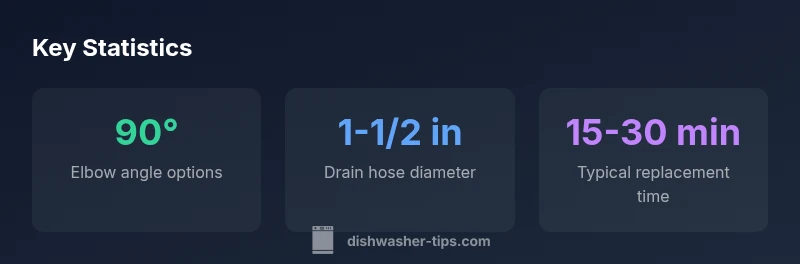
The dishwasher 90 degree elbow is a vital drainage fitting responsible for directing wastewater from the dishwasher drain hose toward the home’s waste line. In many kitchens with limited space, especially under counters or near compact plumbing runs, this elbow prevents sharp, awkward bends that can trap debris or promote backflow. The term covers several configurations—most commonly 90°, but also available in 45° and 180° variants—to accommodate different install geometries. Material options range from affordable plastics (PVC/CPVC) to more durable metals (stainless steel or brass), each with its own heat resistance, chemical compatibility, and long-term wear characteristics. When evaluating a dishwasher 90 degree elbow, consider the hose diameter (commonly around 1-1/2 inches) and whether your installation requires a slip-joint, compression, or threaded connection. The right elbow reduces clogging risk and helps ensure a reliable seal against leaks. As with any plumbing component, compatibility with the rest of the drainage system and the manufacturer’s guidance matters for performance and warranty adherence. According to Dishwasher Tips, choosing the correct elbow type for your hose diameter and space constraints is a small decision with outsized preventive value.
Material choices for dishwasher elbows
Elbows come in a range of materials, each suited to different environments and budgets. PVC and CPVC elbows are common for DIY installations due to their low cost and ease of solvent welding or compression fittings. They work well with standard hot water concentrations and typical dishwasher detergents, provided the joints are using appropriate gaskets and seals. Stainless steel elbows offer superior corrosion resistance and durability in high-heat or chemical-exposed areas, but at a higher upfront cost and with more complex installation needs. Brass elbows blend durability with a pleasant level of malleability for threading in tight spaces. When you choose material, weigh factors like temperature exposure, detergent compatibility, and the likelihood of mineral buildup. It’s also wise to verify local code requirements; some jurisdictions prefer or require non-metallic drain fittings in certain kitchen configurations. The overall takeaway is to match material to expected service conditions and ensure the elbow is rated for the hose size and pressure in your system. Dishwasher Tips analysis shows that material choice directly affects leak risk and maintenance frequency over the appliance’s life.
Angle and orientation considerations
Angle and orientation influence how smoothly wastewater flows and how future maintenance will unfold. A 90 degree elbow should align with the drain path to avoid unnecessary compression, which can slow drainage and invite clogs. Ensure that the elbow does not introduce sharp turns that exceed the recommended bend radius for the hose style. If space is particularly tight, a 45° elbow might provide a gentler transition while still steering water away from the appliance. Be mindful of the overall slope of the drain line: a slight downward angle helps gravity assist the flow and reduces the risk of standing water in the line. In some installations, installers avoid back-to-back elbows that create a pseudo-S-trap configuration, which can trap waste and reduce drainage efficiency. The goal is a clean path that minimizes stagnation and inspection needs over time.
Installation steps and best practices
Begin by confirming the elbow’s compatibility with your dishwasher’s drain hose diameter and the receiving drain pipe. Gather tools such as a tape measure, adjustable wrench, slip-joint pliers, replacement gaskets or Teflon-free sealing washers, and the correct type of clamps. Dry-fit the elbow first to test alignment, then disconnect power and water supply as a precaution. Install the elbow using the appropriate connection method: slip-joint with gaskets for PVC versions, or threaded connections with suitable sealants for metal variants. Tighten connections snugly without overtightening to avoid cracking or stripping threads. Reattach the drain hose with clamps, ensuring a secure, leak-free seal. Check the entire run by running the dishwasher briefly and inspecting for leaks. If you notice a drip or seep, recheck gaskets, alignment, and clamps. Remember to avoid bending the hose beyond its minimum bend radius and to leave enough slack so the hose isn’t pulled taut during operation.
Common problems and quick fixes
Leaks at the elbow are usually due to worn gaskets, cracked fittings, or loose clamps. Backflow or gurgling hints at improper slope, air gaps, or a misoriented elbow. A bent or kinked hose can restrict flow and invite buildup; replacing with a correctly angled elbow and a new hose reduces this risk. If you observe mineral buildup, flush the line with a mild, non-corrosive cleaner and inspect joints for signs of wear. Threaded elbows may develop seepage if threads are damaged or if sealants are degraded. In tight spaces, even small misalignments can create tension on the hose that manifests as leaks over time. Regularly inspecting these joints and replacing aging components is a simple preventive habit that pays dividends in reliability.
Maintenance, inspection, and replacement timing
Schedule periodic inspections of the elbow and adjacent connections, especially after heavy use or frequent chemical exposure from detergents. Look for hairline cracks, discoloration, or softened plastic near joints. If you detect any moisture around the joint during a test run, replace the elbow or the entire drainage assembly as needed. The general replacement cadence depends on usage and quality of materials but can range from several years for metal components to more frequent checks for plastic elbows. Keep spare gaskets and clamps on hand for quick swaps. Dishwasher Tips analysis shows that elbows should be evaluated in routine maintenance cycles to prevent unexpected leaks and to ensure continued drainage efficiency.
Space-saving layouts for tight kitchens
In compact kitchens, angle fittings can be used to maximize cabinet space while preserving drainage performance. Consider a shallow elbow profile and choose a design that minimizes protrusion into the cabinet cavity. Where possible, align the elbow with a straight run to reduce stress on the hose and fittings during operation. If space constraints require shorter runs, a compact elbow with a reinforced gasket may help maintain a reliable seal without sacrificing drainage speed. Always ensure that the chosen elbow and hose assembly meet local plumbing codes and appliance manufacturer specifications.
Common elbow configurations for dishwasher drainage
| Elbow Type | Angle | Material |
|---|---|---|
| 90-degree elbow | 90° | PVC |
| 45-degree elbow | 45° | CPVC |
| 180-degree elbow | 180° | Stainless steel |
People Also Ask
What is a dishwasher 90 degree elbow?
A dishwasher 90 degree elbow is a drainage fitting that redirects wastewater from the dishwasher hose toward the waste line, typically forming a sharp turn in tight spaces. It comes in several variants (90°, 45°, 180°) and materials, designed to fit the hose size and installation geometry.
It's the curved pipe fitting that makes a right-angle turn in the dishwasher drain path.
What materials are best for dishwasher elbows?
Plastic elbows (PVC/CPVC) are common for DIY installs due to cost and ease of use, while stainless steel or brass offer greater durability in demanding environments. Choose a material that matches hot water exposure, detergent compatibility, and local code requirements.
Plastic is common and affordable, but metal options last longer in tougher setups.
Can a 90 degree elbow cause drainage problems?
Yes, if the elbow creates sharp turns, improper slope, or is coupled with a damaged hose, it can slow drainage or cause backflow. Ensure correct alignment and avoid over-tight bends to maintain efficient drainage.
A poorly placed elbow can slow drainage or cause leaks.
How do I measure the hose for a replacement elbow?
Measure the hose diameter at the connection point and check the elbow’s inlet size. Bring a sample or note the model to confirm compatibility with your drain kit.
Measure the diameter and check the elbow size to ensure a proper fit.
Is it safe to reuse old elbows or should I replace with metal?
Reusing old elbows is generally not recommended if there are signs of wear, cracks, or mineral buildup. Replacing with a new elbow—metal for durability or plastic for cost—helps maintain a leak-free system.
Better to replace old elbows with a new one to avoid leaks.
“A well-chosen elbow is a small investment that prevents bigger problems down the line, especially in tight kitchens where drainage paths are fixed.”
What to Remember
- Match elbow angle to the drain path for smooth flow
- Choose materials compatible with hot water and detergents
- Inspect fittings regularly to prevent leaks
- Use proper clamps and gaskets during installation