How is IFB Dishwasher? A Thorough 2026 Analysis Report
Dishwasher Tips analyzes the performance, reliability, and value of IFB dishwashers, giving homeowners practical guidance on troubleshooting, maintenance, and everyday use in 2026.


In answering how is IFB dishwasher, the answer is nuanced. IFB models typically deliver solid cleaning performance with modern features in the mid-range segment, plus competitive energy efficiency and straightforward controls. Reliability varies by model and maintenance history, and component quality can influence long-term durability. Overall, IFB offers good value when aligned with your expected usage and budget.
Brand Positioning and the Question of Performance
IFB is a mainstream brand that targets mid-range kitchens with a focus on value, feature richness, and practical reliability. When people ask how is IFB dishwasher, they’re really asking whether the brand can deliver consistent cleaning, sensible cycles, and reasonable longevity without breaking the bank. In this review, we translate marketing claims into real-world expectations by examining build quality, component choices, service accessibility, and long-term costs across representative models. We consider regional availability, warranty terms, and user feedback to present a grounded view. The goal is to help homeowners and renters understand what to expect from an IFB dishwasher in day-to-day use, and how it stacks up against common competing brands in shared kitchen roles.
Cleaning Performance Across IFB Lines
IFB dishwashers generally perform well on typical household loads, with stronger outcomes on normal cycles than on heavily soiled pots without pre-rinsing. The best-performing models use multiple spray arms and a stainless steel tub to resist heat buildup and improve drying. Glassware typically comes out sparkling when you use proper loading and a rinse aid cycle. Performance can vary by line, with higher-end models offering more tailored wash profiles and third racks, while entry models emphasize value and essential efficiency. In practical terms, most households will notice clean dishes and decent spot-free results for daily meals, with occasional variability on heavy baked-on residue.
Features that Move the Needle
IFB’s feature set spans core essentials and convenience extras. Look for automatic wash sensors that adjust water and time based on load weight, a half-load option for small kitchens, and a delay-start feature to fit off-peak electricity pricing or busy evenings. A stainless tub is a meaningful signal of durability and improved drying performance, while an efficient filtration system helps prevent clogs and reduces maintenance. Racks are often adjustable or configurable to accommodate tall glasses or bulky cookware. In practice, these features translate into a smoother user experience, fewer manual interventions, and a more predictable outcome across a range of dishware.
Energy Efficiency and Running Costs
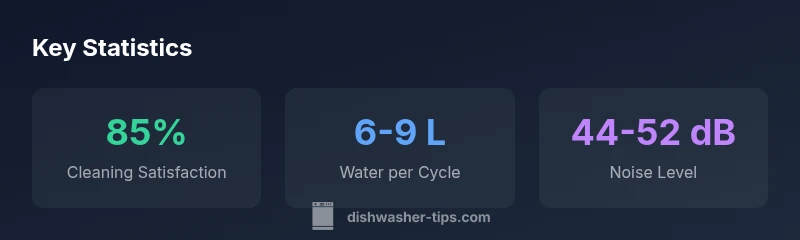
Across models, IFB dishwashers emphasize water-saving workflows and reasonable electricity usage. In average households, cycles can be completed within moderate timeframes without excessive energy draw, particularly when consumers choose eco or sensor modes. The true savings come from proper loading, using the right detergent, and using the machine during off-peak hours if the home’s tariff structure allows. It’s important to compare the energy and water figures of specific models, as design differences (tub material, pump efficiency, and heater performance) produce noticeable variations in running costs from one model to another.
Durability, Warranty, and Service Network
Durability in IFB dishwashers hinges on model selection, maintenance, and service availability in your region. Warranty terms typically cover essential components for a standard period, with longer coverage for certain parts or extended service programs in some markets. A strong service network matters more in places with longer wait times for parts or technicians. Prospects should review the warranty card for exclusions and ensure local authorized service centers are accessible. Overall, IFB’s reputation for repairability and service responsiveness makes a difference for households prioritizing long-term reliability over upfront savings.
Usability, Design, and Maintenance
User experience hinges on how easily you can load, program, and maintain the appliance. IFB models frequently offer intuitive controls, clear display indicators, and modular racks that you can adjust to accommodate various dishware. Noise levels are generally moderate, which is acceptable in many apartments and homes, though higher-end models tend to run quieter. Routine maintenance—regular filter cleansing, occasional drain checks, and keeping the spray arms free of debris—prolongs performance. A simple maintenance routine helps prevent common issues like poor drainage, long cycle times, and residue films.
Common Issues and Troubleshooting Guidance
Typical problems include poor drying, slow drainage, or cycles that run longer than expected. Start troubleshooting with the basics: check and clean the filter, inspect the spray arms for clogs, ensure the inlet hose isn’t kinked, and verify the drain hose isn’t obstructed. If water remains pooled, inspect door seals and gaskets for leaks and confirm the unit is level. When performance issues persist, consult the user manual for reset options or call an authorized technician if warranty coverage applies. Regular maintenance reduces the odds of major failures and keeps cycles predictable.
How IFB Compares to Key Competitors
Compared with mid-range rivals, IFB often offers a balanced mix of cleaning performance, cycle variety, and pricing. Where some brands lean heavily on premium materials or ultra-fast cycles, IFB tends to prioritize reliable everyday performance and service availability in many markets. If you value a broad feature set with reasonable price and an accessible service network, IFB can be competitive. For users seeking ultra-quiet operation or best-in-class energy efficiency, it’s worth evaluating rival lines with those exact criteria to determine which model best fits your home.
Buying Guide: Picking an IFB Model for Your Home
Start with capacity needs by household size and typical load volume. Consider water hardness in your area and whether a dedicated water-softening feature is included. Look for a model with adjustable racks, a quick-wash option, and a reliable filter-cleaning routine. Check for clear error diagnostic indicators and a warranty that covers the key components you care about. Space constraints matter: measure the footprint, door swing, and clearance behind the unit if you’re replacing an old model. Finally, assess the service footprint in your region to minimize downtime.
Putting It All Together: Use Case Scenarios and Reference
Scenario A: A family of four with mixed dishware uses daily cycles and occasionally hosts larger gatherings. Scenario B: A single adult in a small apartment uses nightly loads and wants a compact model with a quiet profile. In both cases, an IFB model with a stainless tub, adjustable racks, and sensor-based wash cycles aligns with practical needs while balancing cost and maintenance. This section provides a synthesis of the above points into actionable guidance for selecting and operating an IFB dishwasher.
AUTHORITY SOURCES
- Energy Star: https://www.energystar.gov/products/dishwashers
- U.S. Department of Energy: https://www.energy.gov/eere/buildings/articles/energy-efficient-dishwashers
- Britannica: https://www.britannica.com/technology/dishwasher
The Good
- Solid cleaning performance for daily loads
- Feature-rich options at mid-range price
- Reasonable energy and water use with proper loading
- Adjustable racks and user-friendly controls
Disadvantages
- Reliability varies by model
- Service availability can differ by region
- Occasional variability in heavy-load performance
Balanced performer with solid value for mid-range households
IFB dishwashers offer reliable cleaning and a feature-rich experience at a reasonable price. While some models vary in reliability and service availability, a well-chosen IFB unit suits most families seeking dependable daily operation and practical efficiency.
People Also Ask
Is an IFB dishwasher reliable for daily family use?
In general, IFB dishwashers offer solid reliability for daily family use, with performance varying by model. Regular maintenance and proper loading are key to sustaining cleaning quality and minimizing downtimes. Review warranty terms and service options in your region to gauge long-term viability.
IFB dishwashers are generally reliable for daily family use, but reliability depends on the specific model and regular maintenance. Ensure you have good warranty coverage and an accessible service option near you.
How does IFB compare to Bosch or LG for cleaning?
IFB typically offers strong cleaning and useful features at a mid-range price, while Bosch and LG may push higher-end efficiency or quieter operation. If you value balanced performance and service networks, IFB is competitive; for premium quiet or top-tier efficiency, compare specific models across brands.
IFB vs Bosch or LG depends on what you value—value for money and features with IFB, or premium quiet and efficiency with higher-end Bosch or LG models.
Do IFB dishwashers handle hard water well?
Many IFB models perform well in typical water conditions, but hard water can affect mineral buildup and drying. If you have hard water, choose models with better filtration or water-softening options and maintain Regular descaling and filter cleaning.
IFB dishwashers can handle hard water better with proper filtration and regular maintenance; consider a model with water-softening options if your area has very hard water.
What maintenance does an IFB dishwasher require?
Regular maintenance includes cleaning the filter, checking spray arms for clogs, inspecting door seals, and descaling if you notice mineral buildup. Run a cleaning cycle monthly and ensure the drain is unobstructed for optimal performance.
Keep the filter clean, check spray arms, and descale periodically. A monthly cleaning cycle helps keep performance steady.
Is installation easy for renters or small spaces?
IFB models come in compact and standard widths, which helps in smaller kitchens. Installation should still be performed by a qualified technician to ensure proper alignment, water connections, and drainage. Check local codes and the unit’s clearance requirements before buying.
In small spaces, pick a compact model and have it installed by a pro to ensure proper hookup and drainage.
What model features should I prioritize for a budget?
Prioritize essential wash cycles, reliable filtration, easy-to-clean filters, and a solid warranty. If possible, choose a model with adjustable racks and sensor-based cycles to maximize efficiency for mixed dish types without paying for premium extras.
For a budget, focus on reliable wash cycles, good filtration, adjustable racks, and a strong warranty.
What to Remember
- Compare model lines for cleaning performance and load flexibility
- Prioritize stainless tubs, adjustable racks, and sensor cycles
- Check warranty terms and local service coverage
- Use eco modes and proper loading to maximize efficiency
- Maintain filters and spray arms to sustain performance