Keep Your Dishwasher Odor-Free Between Washes
Learn practical, step-by-step methods from Dishwasher Tips to prevent and eliminate smells between washes. From daily habits to deep cleaning, this guide helps homeowners and renters keep dishwashers fresh.


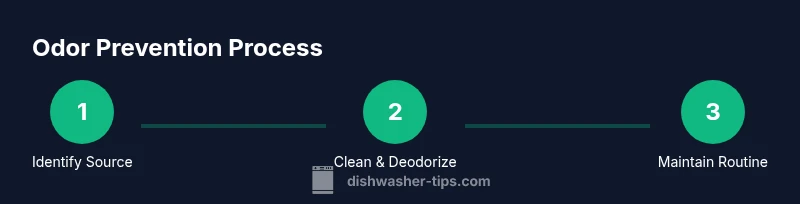
To keep smells away between washes, establish a simple routine: rinse out leftover food, clean the filter weekly, wipe the door seal, and run a hot wash with vinegar or a dishwasher cleaner every 1–2 weeks. Pair this with a rinse aid and proper detergent use. This quick routine helps prevent odor buildup before it starts.
Common Smell Causes in Dishwashers
A noticeable odor from your dishwasher usually signals a buildup of what you clean off your plates and rinse away. According to Dishwasher Tips, most smells originate from residual food particles and moisture that get trapped in hard-to-clean areas like the filter, spray arms, door gasket, and drain. When water sits in these cavities after cycles, bacteria and mold can multiply, producing sour or rotten notes that transfer to dishes. The dishwasher's interior is a small, enclosed environment; without regular cleaning, even a clean load can leave behind micro-residues that degrade air quality. The Dishwasher Tips team found that even well-maintained machines can develop odors if certain habits aren't followed: infrequent filter cleaning, neglecting the door seal, and ignoring the rinse-acid balance can all contribute. Another common culprit is overloading the dishwasher or letting standing water stay in the bottom after cycles. Clogs in the filter or drain can create a stagnant pocket where smells thrive. Finally, some detergents and products, especially those with powders or low-quality enzymes, can leave residues that slowly odorize as they break down. Understanding these sources helps you target the right fixes rather than chasing scents with temporary remedies.
Daily Habits to Minimize Odors Between Washes
Establish a light, daily routine to prevent odor buildup before it becomes noticeable. Start by rinsing off visible food scraps from dishes before loading. Check and clean the filter weekly to prevent trapped debris from decomposing during or after cycles. Wipe the door gasket and the basket rails with a microfiber cloth after each load to remove damp residue. Leave the dishwasher door ajar for 15–30 minutes after cycles when possible to promote drying; this reduces lingering moisture that bacteria love. Use a rinse aid as recommended by your manufacturer to improve drying and reduce water spots, which can harbor minerals and odor-causing microbes. Avoid overloading; leave space for water to circulate, and run the dishwasher with the right amount of detergent. Finally, choose a high-quality detergent and consider occasional use of a dishwasher cleaner to break down film and biofilm that can contribute to smells.
Deep Cleaning Schedule for Odor Prevention
Effective odor prevention combines quick daily actions with a consistent deep-clean routine. Plan a monthly deep clean: remove racks and spray arms to inspect for clogs or buildup; scrub spray arm holes and the rack tracks; rinse and wipe the interior with a baking soda paste or mild cleaner. Run an empty hot cycle with white vinegar (or a manufacturer-approved cleaner) to dissolve mineral deposits and kill bacteria. Follow with a baking soda rinse on another empty cycle to deodorize and neutralize lingering tastes. Record what you clean and when to track patterns—this helps you catch odor precursors early. Based on Dishwasher Tips analysis, regular deep cleaning is associated with fewer odor issues and more consistent cleaning performance, especially in households that use hard water or high-salt detergents.
How to Treat Persistent Odors (When Smells Return)
If odors persist, treat the dishwasher like a small enclosed space needing a targeted deodorizer. Start with an empty hot-water cycle and a cup of white vinegar or a dishwasher cleaner, then run a second hot cycle with baking soda to neutralize odors. Inspect the door seal and gaskets for mold or residue and wipe them clean; replace rubber parts if they show cracking or mildew. Consider running a vinegar wash every 1–3 months as a preventative measure, but avoid mixing vinegar with bleach or other oxidizers. This approach stops odor at its source and prevents future buildup.
Choosing the Right Detergents and Rinse Aids to Prevent Odors
Detergent choice affects odor control as much as cleaning technique. Use detergent appropriate for your machine and water hardness; avoid cheap powders that leave gritty residues. Rinse aids improve drying and reduce mineral films that can trap odors. For hard water areas, pair a rinse aid with a water-softening additive if your dishwasher supports it. Keep the filter and spray arms free of old detergent residue, and rinse out detergent cups after cycles if you notice buildup. By selecting the right products and following a routine, you reduce both residue and microbial growth that cause smells.
Troubleshooting Smells in Special Scenarios
Some odors come from unusual sources like cooking fats that accumulate in hard-to-reach areas, or mineral buildup in hard water that forms slimy films. If you notice moldy smells after a poor drying cycle, check seasonally for blocked spray arms or seals. If the dishwasher smells after a power outage or after moving the unit, inspect the drainage system and ensure no standing water remains in the base. For renters in apartment buildings, hard water may be more pronounced; in this case, using a specialized water conditioner and consistent cleaning becomes essential. If odors persist despite routine care, consider professional cleaning or service to inspect seals, hoses, or the pump for hidden mold or biofilm.
DIY Odor Prevention Checklist for Busy Homes
- Rinse dishes before loading; remove food particles.
- Clean the filter weekly and wipe the door seal after each cycle.
- Run a hot cycle with vinegar or appliance cleaner monthly; alternate with baking soda as a deodorizing step.
- Use a recommended rinse aid and avoid overloading the unit.
- Dry the interior after cycles by leaving the door ajar for a short period when possible.
- Schedule a deep clean every 1–2 months in hard-water environments.
- Track odor occurrences to adjust your routine quickly.
What Not to Do: Common Mistakes That Cause Odors
- Do not ignore moldy door seals or clogged filters; they are common odor sources.
- Do not overuse detergent or run cold cycles; both can promote residue and bacteria.
- Do not mix strong cleaners with bleach or ammonia; this can create dangerous fumes.
- Do not neglect drying; moisture promotes mold and mildew growth.
- Do not rely on a single method; combine daily habits with periodic deep cleaning for best results.
Tools & Materials
- Baking soda(Deodorizing paste for interior scrubbing)
- White vinegar(Empty-cycle deodorizing wash)
- Dish detergent(Mild formula for cleaning racks and seals)
- Old toothbrush(Detail cleaning for spray arms and crevices)
- Microfiber cloth(Wipe seals and interior surfaces)
- Rinse aid(Improve drying and reduce mineral films)
- Sponge or non-abrasive scrubber(Light scrubbing of hard-to-clean spots)
- Gloves (rubber)(Protect hands during cleaning)
- Dishwasher cleaner (optional)(Monthly deep clean alternative to vinegar)
- Bucket or shallow tub(Contain and rinse components for deep clean)
Steps
Estimated time: 60-90 minutes
- 1
Inspect and prepare
Remove all racks and debris from the bottom. Visually inspect the door gasket, spray arms, and filter for buildup or clogs. This preparatory step helps you target areas that contribute most to odors.
Tip: Take a photo of the filter before cleaning so you can reference its original orientation. - 2
Remove debris and clean the filter
Take out the filter and rinse it under running water. Use a soft brush to dislodge trapped particles. A clean filter minimizes food residue and microbial growth that cause smells.
Tip: Do not use metal scrubbers; they can damage the filter and void seals. - 3
Clean spray arms
Inspect spray arm holes for clogs and remove any mineral deposits with a small brush or pin. Rinse thoroughly to restore optimal water flow.
Tip: Work over a sink to catch loose debris and prevent it from re-entering the dishwasher. - 4
Wipe gaskets and interior surfaces
Wipe the door seal, rails, and interior walls with a damp microfiber cloth. Pay attention to corners where moisture tends to collect.
Tip: Avoid using abrasive cleaners that can scratch rubber seals. - 5
Run a hot cycle with vinegar or cleaner
Place no dishes in the unit. Run a hot cycle with one cup of white vinegar (or a dishwasher cleaner) to dissolve mineral buildup and kill microbes.
Tip: If your model warns against vinegar, use a manufacturer-approved cleaner instead. - 6
Neutralize odors with baking soda
After the vinegar cycle, sprinkle baking soda inside the tub and run another short hot cycle to deodorize. This helps neutralize any lingering odors.
Tip: Do not mix baking soda with vinegar in the same cycle; they work best separately. - 7
Dry and reassemble
Wipe everything dry and let the racks air-dry completely before reassembling. A dry interior discourages microbial growth between uses.
Tip: Leave the door ajar for 15–30 minutes after cycles if safe for your environment.
People Also Ask
Why does my dishwasher smell even after a cycle?
Odors often originate from buildup in the filter, gasket, or spray arms, especially when moisture remains after cycles. Regular cleaning targets these sources and reduces odor occurrences.
Odors usually come from buildup in the filter, seals, or spray arms, especially if moisture stays after cycles. Regular cleaning helps prevent this.
How often should I clean the filter and spray arms?
Clean the filter at least once a week and inspect spray arms monthly for clogs. Regular cleaning keeps debris from decomposing and causing smells.
Clean the filter weekly and check spray arms monthly for blockages.
Is vinegar safe to use in a dishwasher?
Vinegar is generally safe for odor control when used in moderation and as directed by the manufacturer. Avoid mixing vinegar with bleach or ammonia.
Yes, vinegar can be used for odor control in moderation, but don't mix it with bleach or ammonia.
Can hard water cause odors?
Hard water minerals can form films that trap bacteria, leading to smells. Use a rinse aid and consider a water-softening option if your dishwasher supports it.
Yes, hard water can contribute to smells due to mineral films; rinse aids help reduce this.
Should I use dishwasher cleaners regularly?
Monthly or quarterly use of a dishwasher cleaner helps remove biofilm and mineral buildup. Follow the product's instructions and alternate with vinegar if appropriate.
Yes, dishwasher cleaners can help prevent buildup when used as directed.
Watch Video
What to Remember
- Adopt a daily rinse and wipe routine
- Clean the filter and seals weekly
- Use vinegar or approved cleaners for hot cycles
- Maintain drying to prevent moisture-loving microbes
- Schedule periodic deep cleans in hard-water environments