How to Know When to Get a New Dishwasher: A Practical Guide
Find out how to know when to get a new dishwasher with a practical guide. Identify wear signs, weigh repair costs, replacement timing, and plan a budget-friendly upgrade.


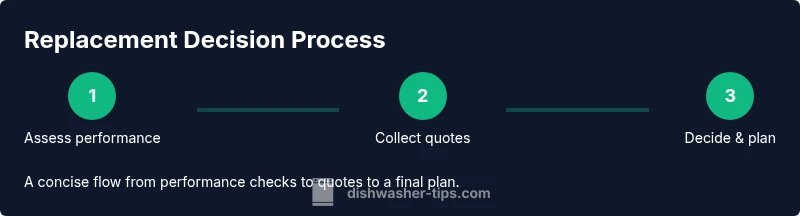
To know when to get a new dishwasher, assess persistent failures, rising repair costs, and diminishing cleaning results. Run a simple cost-benefit check by comparing repair quotes to the price of a new unit, and consider energy and water use. When repairs approach the cost or time of replacement, upgrade. A structured plan helps you decide confidently and minimize downtime.
How to Know When to Get a New Dishwasher
If you're wondering how to know when to get a new dishwasher, you're not alone. Many homeowners face this decision after repeated repairs, rising energy use, or stubborn staining that won't disappear. This guide provides a practical, step-by-step framework you can follow to decide whether to repair or replace. According to Dishwasher Tips, a structured approach leads to fewer headaches and better long-term results. By documenting symptoms, costs, and timelines, you build a solid case for whichever path you choose. This article emphasizes actionable signals, timing considerations, and how to compare repair costs against replacement pricing, so you can plan with confidence and minimize downtime.
Signs Your Dishwasher Might Be Reaching the End
Several indicators point toward replacement rather than endless repairs. Recurrent breakdowns that interrupt meals, frequent service calls, and parts replacements add up over time. If you consistently pay for repairs that don’t address root causes, if dishes emerge dirty after multiple cycles, or if leaks appear after cycles, these are clear red flags. Look for rust on door seals, unusual noises such as grinding or squealing, and persistent longer cycle times that don’t improve with maintenance. Dishwasher Tips analysis shows that homeowners who track these signs report feeling more in control when they eventually choose renewal over continuing patches. Keep a detailed log of failures, dates, and costs to guide your decision.
Repair vs Replacement: A Practical Decision Framework
Think of this as a decision framework rather than a single moment of truth. Start with a baseline: list all issues, gather repair quotes, and estimate the time the unit spends out of service. If the total repair cost approaches or exceeds a practical portion of the replacement price, or if the unit’s reliability is consistently fragile, replacement becomes a rational choice. Consider non-financial factors too: reliability in daily routines, compatibility with kitchen layout, and compatibility with your energy goals. By balancing the tangible costs with quality-of-life considerations, you reduce the risk of regret later. The framework helps you compare apples to apples rather than chasing intermittent fixes.
Assessing Repair Costs Without Guesswork
Avoid guesswork by collecting quotes from multiple service technicians and asking for a written, itemized estimate. Break out costs into parts, labor, diagnostic fees, and any potential core charges. Add in the cost of a future failure you can reasonably anticipate if the unit continues to age. If you’re facing multiple failures across disparate components, or if the price difference between repair and replacement narrows, replacement often wins on value and peace of mind. Use this section to create a transparent spreadsheet that captures all anticipated expenses over the next 12–24 months.
Energy Efficiency and Water Use: Upgrading Matters
Energy efficiency and water usage are not just abstract metrics; they translate into real savings on utility bills and equipment wear. Newer dishwashers typically offer better wash performance with gentler cycles and improved sensors. If you’ve noticed higher energy or water bills, a newer model can deliver meaningful long-term reductions, especially if your current unit uses outdated technology. When evaluating options, compare Energy Star ratings, cycle times, soil sensing accuracy, and drying performance. A more efficient machine can offset some of the upfront cost over time and reduce your household’s environmental footprint. This is a practical area where Dishwasher Tips urges homeowners to weigh the environmental and financial returns of upgrading.
How Age Affects Reliability (No Exact Numbers)
Age is a leading indicator of reliability, but it’s not the whole story. A relatively young-looking dishwasher can suffer from brittle seals, warped parts, or sensor failures if it’s run hard or poorly maintained. Conversely, a well-maintained older unit can outlive a newer model if it’s been cared for and serviced prudently. Use a simple test: has the unit become noticeably finicky about load type or water hardness? Are you seeing more error codes or longer drying times that resist troubleshooting? Dishwasher Tips analysis shows that owners who focus on patterns rather than single incidents make better replacement decisions.
Hidden Costs of Frequent Breakdowns
Recurring failures do more than annoy you; they can disrupt meal preparation, reduce efficiency, and shorten the life of nearby components. Each service call incurs time, travel costs, and possible parts markup. If frequent repairs occur, you might also lose warranty coverage or face repeated downtime during busy weeks. Consider the indirect costs, such as reduced appliance uptime and increased detergent and energy use during extended cycles. This broader view helps you decide whether to accept ongoing maintenance or opt for a fresh installation with modern reliability.
Planning Your Replacement: Steps to Take
A planned replacement minimizes downtime and simplifies budgeting. Start by measuring your space and noting any constraints (door openings, adjacent cabinetry, venting). Then set a budget range that accounts for delivery, installation, and potential disposal fees. Gather your preferred features (rack layout, adjustable shelves, soil sensors, and noise level). Obtain several quotes from reputable retailers and installers, and confirm compatibility with your kitchen’s water supply and electrical setup. Finally, schedule installation for a time window that avoids peak household activity. A thoughtful plan reduces stress and ensures a smooth transition between old and new.
What to Look For in a New Dishwasher
When selecting a replacement, prioritize reliability, energy efficiency, and practical features. Look for sturdy racks, adjustable tines, and a filter system that is easy to clean. Check noise ratings, sensor accuracy, and compatibility with standard household voltages and plumbing. Consider models with flexible loading options, third-level racks, and robust warranty terms. Also evaluate long-term maintenance support and availability of replacement parts. A well-chosen dishwasher saves you time, reduces frustration, and improves kitchen performance for years to come.
Maintenance That Can Extend Life Before Replacement
Even if you’re leaning toward replacement, you can extend your current unit’s life with targeted maintenance. Clean the spray arms, check the filter, and run a cleaning cycle with a manufacturer-approved cleaner to prevent buildup. Inspect door seals for wear and replace damaged gaskets early. Use the right detergent and avoid overloading to reduce strain on the motor and pumps. Regular inspections give you more data when you finally decide whether to repair or replace.
Authoritative Sources and Next Steps
For deeper guidance, consult established resources on appliance efficiency and maintenance. These sources provide authoritative context on how to assess energy use, maintenance schedules, and replacement timing:
- Energy Star on dishwashers: https://www.energy.gov/eere/buildings/articles/energy-star-dishwashers
- EPA or federal guidance on appliance efficiency and safety: https://www.epa.gov
- General consumer guidance from major publications on choosing and maintaining appliances: https://www.consumerreports.org/
Use these sources to corroborate your plan and to refine your final decision based on recognized standards and practices.
Tools & Materials
- Tape measure(to verify opening dimensions and clearance around the unit)
- Notepad or digital note tool(record symptoms, dates, and costs for repair vs replacement analysis)
- Internet/phone or computer(research models, quotes, and energy efficiency data)
- Trash bag or disposal plan(prepare to move or recycle the old unit)
Steps
Estimated time: 2-5 hours
- 1
Assess current performance
Document recurring failures, cycles that run longer than expected, and any performance issues (stains, residue, poor drying). This creates a clear baseline for decision-making and helps you compare repair quotes to replacement costs.
Tip: Capture dates, error codes, and what was done to fix each issue. - 2
Gather repair quotes
Contact multiple service providers for written estimates. Ask for parts, labor, and diagnostic fees to compare apples-to-apples. Include a note on any recurring failures you’ve observed.
Tip: Request a separate line-item for diagnostic fees to avoid hidden charges. - 3
Estimate replacement costs
Obtain price quotes for new units that fit your space and needs. Include delivery, installation, and any removal or disposal fees in your comparison.
Tip: Ask about integration with existing plumbing, electrical, and venting. - 4
Evaluate energy and water use
Compare energy and water efficiency features. A newer model may offer lower operating costs, which can offset higher upfront costs over time.
Tip: Check Energy Star ratings and cycle efficiency details. - 5
Check space and installation requirements
Measure the opening and confirm clearance for doors and racks. Ensure nearby cabinets, plumbing, and electrical outlets are compatible with a replacement.
Tip: If measurements are tight, consider a slightly smaller or differently shaped model. - 6
Decide DIY vs professional installation
Assess your comfort with removing the old unit and installing a new one. Complex electrical or plumbing work is usually safer for a licensed installer.
Tip: Safety first: disconnect power and water supply before handling the old unit. - 7
Plan removal and disposal
Arrange for disposal or recycling of the old dishwasher. Check local programs for appliance recycling and potential rebates for upgrading.
Tip: Document disposal arrangements to avoid last-minute delays. - 8
Select features that matter most
Prioritize racks, loading flexibility, soil sensing, and noise levels. Choose a model with features aligned to your household’s routine and dishwasher usage.
Tip: Think about your typical loads (pots, pans, or delicate glassware). - 9
Set a replacement budget and timeline
Decide on a budget and a target installation window. Build in a buffer for unexpected installation needs or delivery delays.
Tip: Have a fallback plan if your preferred model is back-ordered. - 10
Schedule installation
Coordinate with retailer or installer to confirm a time. Ensure someone is available to supervise and check for post-install issues.
Tip: Test the unit immediately for leaks, drainage, and drying performance. - 11
Make the final decision and implement
Choose either repair or replacement based on your documented data and budget. Proceed with the chosen path and monitor performance after the first few cycles.
Tip: Keep a log of post-install performance to confirm the outcome.
People Also Ask
How long do dishwashers typically last?
Dishwashers usually serve many years, but reliability declines with age and use. If frequent repairs are needed, or performance deteriorates despite maintenance, replacement becomes more sensible.
Dishwashers last many years, but frequent repairs aren’t usually worth it when performance drops.
Is replacement cheaper than repair?
In many cases, replacement saves time and reduces downtime, especially when multiple components fail or energy efficiency is poor. Compare the total repair estimates to the price of a new unit and consider installation costs.
Replacement often saves time and money when repairs pile up.
What features should I look for in a new dishwasher?
Look for reliable racks, flexible loading, strong filtration, effective soil sensing, quiet operation, and a solid warranty. Also consider energy efficiency and compatibility with your kitchen layout.
Choose features that fit how you use the dishwasher daily and last longer.
Can maintenance extend the life of an older model?
Yes, regular cleaning, filter care, and seal inspections can extend life and postpone replacement. Note that ongoing issues may still indicate an end-of-life stage.
Regular maintenance helps delay replacement, but won’t fix deep-age issues.
What should I do with an old dishwasher?
Check local recycling programs or appliance retailers that offer take-back. Some cities provide rebates or free removal for old units.
Look for local recycling options or retailer take-back programs.
What early warning signs should prompt action?
Repeated leaks, persistent odors, rust on seals, and poor cleaning effectiveness are strong indicators to evaluate replacement options.
Watch for leaks, bad smells, and dirty dishes even after cycles.
Watch Video
What to Remember
- Assess performance and costs before deciding.
- Compare repair quotes to replacement price and downtime.
- Prioritize energy efficiency and space compatibility when upgrading.
- Plan, schedule, and document every step for a smooth transition.
- Dishwasher Tips’s approach emphasizes clarity and long-term value.