What Dishwasher Should I Buy in 2026: An Expert Buying Guide
A data‑driven buying guide to help homeowners and renters choose the right dishwasher. Compare built‑in, portable, and countertop options with practical criteria, plus maintenance tips and a clear recommendation.


For most households, the best choice is a built‑in 30‑inch dishwasher with at least 3 wash cycles, an Energy Star rating, and a stainless steel tub for durability. If space is tight or you rent, a compact countertop or portable model can be a sensible alternative with lower upfront cost and easy relocation.
What to know before you buy
Choosing a dishwasher isn’t just about looking at a price tag. It’s about how you live, how you load cookware, and where you’ll install the unit. According to Dishwasher Tips, many shoppers overemphasize bells-and-whistles while underestimating capacity for family meals. The reader of this guide should begin by mapping their typical dish load, the size of their kitchen, and any installation constraints (water supply, drainage, and electrical). The keyword what dishwasher should i buy should surface early to anchor the decision in practical terms. A common rule of thumb: if you have four or more people in the home and a standard kitchen footprint, a built‑in 30‑inch model usually delivers the best long‑term value, reliability, and performance. For renters or small spaces, a compact countertop or portable model becomes a sensible, space‑saving alternative that still cleans effectively when loaded properly.
In all cases, avoid chasing the hottest feature list without verifying core needs. Your choice should support daily use, align with your plumbing capabilities, and fit within your budget without sacrificing essential performance.
Formats that matter: built‑in, portable, and countertop
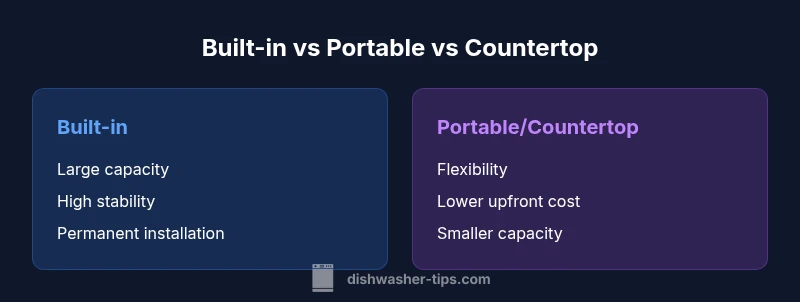
Dishwashers come in three primary formats, each with distinct advantages and trade‑offs. Built‑in models dominate households seeking high capacity, robust cleaning, and long‑term value. Portable units offer flexibility, attaching to faucets and draining into sinks, which is ideal for renters or kitchens without a dedicated dishwasher space. Countertop units provide the smallest footprint and the lowest upfront investment, suitable for small apartments or secondary homes. If you’re asking what dishwasher should i buy, start by matching the format to your space and lifestyle: permanent installations for heavy daily use, movable options for temporary setups, and compact units for occasional loads. Each format has a practical sweet spot—understanding them helps you avoid wasteful buys and ensures you’ll actually use the machine on a regular schedule.
Capacity, racks, and loading efficiency
Capacity determines how many place settings you can clean in a single cycle, while rack configuration affects how you arrange plates, bowls, and pans. In general, built‑in models offer 12–14 place settings with flexible racks and foldable tines. Portable options typically provide 6–10 settings, and countertop units commonly handle 4–6. Efficiency also hinges on rack design: adjustability, third rack availability for utensils, and smooth glide on rails all contribute to faster, more flexible loading. When evaluating, consider your largest pans, your dish stacking habits, and whether you frequently wash repeated large volumes. A well‑designed interior minimizes reshuffling between cycles and reduces the need for second washes, saving water and energy over time.
As you compare models, remember that a more capable interior often translates to better overall reliability and user satisfaction. This aligns with what Dishwasher Tips observes: practical capacity matters more than flashy extra features.
Noise levels, energy, and operational costs
Noise matters because it affects your daily life and multitasking ability in the kitchen. Most modern dishwashers range from roughly 40–60 decibels; you’ll notice that quieter models pair well with open‑concept living spaces. Energy efficiency directly impacts running costs, especially for households that run multiple cycles per week. Look for Energy Star certification, as it indicates efficient water and electricity use across common cycles. While a high‑end model with multiple specialized cycles can sound appealing, the real value comes from how often you use core cycles (normal, heavy, quick) and how well the machine handles soil levels without needing repeat runs. Dishwasher Tips analysis shows that selecting a model with strong efficiency and a stainless tub tends to yield the best long‑term savings and lower maintenance costs, even if the upfront price is modestly higher.
Programs, sensors, and cycle selection
Modern dishwashers offer a spectrum of cycles: heavy for pots and pans, normal for daily meals, and quick or eco modes for lighter loads. Soil sensors adjust wash time and water usage based on how dirty the dishes are, which saves energy and prevents over‑washing. Some models include specialized features like half‑load options, sanitize cycles, or steam drying, which can be valuable for certain households. If you routinely wash delicate glassware or plastic items, look for a gentler cycle and a heated vs. air‑dry option that suits your preference. When deciding what dishwasher should i buy, prioritize reliability of sensors, the availability of a robust drying option, and the ability to customize rack configurations rather than chasing every new mode on the label.
Tub materials and interior durability
Stainless steel tubs are preferred by many homeowners for durability, improved heat retention, and resistance to staining and odors. Porcelain‑enamel tubs are common on budget models but can chip or wear over time. The interior surface influences drying performance and how easily debris and mineral buildup can accumulate in corners. A high‑quality filter system and a cleanable spray arm are essential for maintaining consistent results in everyday use. If you live in a hard‑water area, consider appliances with better mineral control and easier filter maintenance. The material choice also affects resale value and perceived longevity, so weigh this factor carefully when comparing models.
Water heating, water usage, and hot‑gas considerations
Dishwashers can heat water themselves, or rely on your home’s hot water supply. Those that heat water on‑board may cost a bit more upfront but can offer more consistent performance at varied water temperatures. In contrast, some households with lower incoming water temperatures benefit from models with strong heating elements to perform better in eco‑modes and sanitize cycles. Water usage varies with capacity and efficiency, but typical per‑cycle use is in the 2–5 gallon range for standard models and lower for compact units. When considering what dishwasher should i buy, think about how much hot water you typically use and whether faster drying or sanitation is important in your household.
Installation and space planning for built‑ins and portable units
Space planning is one of the most practical concerns when selecting a dishwasher. Built‑ins require a 30‑inch cabinet width, a dedicated electrical outlet, and a stable water line connection. Portable units rely on being temporarily connected to a faucet and drain, which adds steps to your routine but saves permanent kitchen changes. Countertop models are installed on a sturdy surface with a reachable drain and stable power source. In all cases, ensure proper clearance for door open space and consider ventilation if your kitchen is compact. If you’re renting or renovating, you may prefer a portable or countertop option to preserve flexibility. Always verify local plumbing codes and warranty implications before committing.
Price bands, value, and expected performance
Budget ranges for dishwashers vary widely based on format, capacity, and features. A functional countertop or compact portable model can start in the hundreds, while built‑ins with larger capacities and more advanced features commonly range higher, often reflecting long‑term value rather than simply the upfront cost. When budgeting, consider not just the purchase price but installation complexity, energy costs, and potential repair needs over time. A mid‑range built‑in model that emphasizes reliability and efficiency often yields the best value for households that run several cycles per week and handle heavier dish loads on a regular basis. The key is matching the price tier to your actual usage and space constraints.
In short, avoid overpaying for features you won’t use, and prioritize robust performance where it matters most: capacity, efficiency, and reliability.
Practical steps to compare real models: a checklist
Before you buy, build a simple matrix of your top candidate models. Check: (1) fit for your space (width, height, and door clearance), (2) core cycles and sensor accuracy, (3) tub material and rack flexibility, (4) energy and water use (Energy Star and per‑cycle usage), (5) noise level during typical loads, (6) warranty length and parts availability, (7) maintenance requirements and ease of cleaning, and (8) expected monthly running costs. Create a side‑by‑side comparison and test ordering options when available. Remember that a model’s published performance might vary with real loads, so rely on independent reviews and user feedback where possible. This practical framework helps you decide what dishwasher should i buy with confidence.
Maintenance habits for longevity and reliability
Once you own a dishwasher, maintenance matters more than a fancy feature set. Regularly clean the filter and spray arms, run a hot‑water rinse with a rinse aid, and check seals for cracks or leaks. If you notice persistent odors, perform a cleaning cycle with an approved dishwasher cleaner and inspect the intake valve. In hard water areas, use a water softener or mineral‑control products to prevent scale buildup on interior surfaces. Periodic checks of hoses and clamps can prevent leaks. A well‑maintained machine not only performs better but lasts longer, preserving the investment and reducing the chance of emergency repairs.
Making the final choice: the decision matrix
At the end of the process, a concise decision matrix helps you pick what dishwasher should i buy with clarity. Weigh dimensions like space, capacity, and noise against your budget and expected usage. If you have a family and frequent large loads, a built‑in 30‑inch model with a stainless tub and strong sensors is usually the best overall option. If you’re in a rental or have unique space constraints, a portable or countertop model that meets essential performance criteria can save you time, money, and headaches. The final recommendation is to select the option that delivers the highest probability of consistent, efficient cleaning for your specific situation, with a warranty and service support that match your expectations.
Comparison
| Feature | Built-in 30-inch | Portable/Countertop |
|---|---|---|
| Capacity (place settings) | 12-14 | 6-8 (portable) / 4-6 (countertop) |
| Water usage per cycle | 3-5 gal | 2-4 gal |
| Energy efficiency | high (Energy Star) | moderate to high |
| Noise level (dB) | 46-60 dB | 45-55 dB |
| Price range | $600-$1,200 | $300-$700 |
| Best for | Homes with frequent heavy loads and permanent space | Renters/small kitchens needing flexibility |
The Good
- Built-in models offer large capacity and robust cleaning
- Portable units provide flexibility and easy relocation
- Countertop units are compact and budget‑friendly
- Energy Star options reduce running costs
- Modern sensors improve cycle efficiency and results
Disadvantages
- Built-ins require installation and higher upfront cost
- Portable units may be less stable and have smaller capacities
- Countertop models have very limited space for large loads
- Some inexpensive models may have shorter lifespans
Built-in 30‑inch models win on capacity, efficiency, and reliability; compact or portable options excel for small spaces or renters.
For most households, a built‑in unit provides the best daily performance and long‑term value. If space, installation restrictions, or budget are primary concerns, portable or countertop options are viable substitutes that still deliver solid cleaning results when chosen thoughtfully.
People Also Ask
What is the most energy-efficient dishwasher type?
Energy efficiency typically peaks in built-in models with stainless tubs and good insulation, especially when paired with Energy Star certification and efficient sensors. Compact or countertop units can be efficient too if they are properly sized for your loads. Always compare the Energy Star rating and per‑cycle water use to assess true efficiency.
The most energy-efficient option is usually a built-in model with Energy Star certification and a stainless tub. For small spaces, choose an efficient compact unit that matches your load.
Do I need a water softener or hard water considerations?
Hard water can lead to mineral buildup and reduced efficiency. If you have hard water, consider a model with better mineral control, use water softening additives, and perform regular descaling as recommended by the manufacturer. Soft water helps extend filter life and maintain cleaning performance.
Hard water can hurt performance and longevity. Use a softening approach and descaling as needed.
Is a built-in dishwasher worth the extra cost?
For households that run multiple cycles per week and need consistent performance, a built-in model is typically worth the extra upfront cost due to capacity, efficiency, and reliability. If space or installation flexibility is more important, portable or countertop options can still meet daily needs at a lower price.
Built-ins are often worth it for frequent users due to capacity and efficiency; alternatives fit smaller spaces or tighter budgets.
What maintenance keeps a dishwasher lasting longer?
Regularly clean the filter and spray arms, run hot cycles to sanitize, and inspect seals for wear. In hard water areas, use appropriate additives to prevent mineral buildup. Keeping the interior dry after cycles and replacing worn hoses promptly helps prevent leaks and extends life.
Clean the filter, check seals, and descale as needed to extend life.
Can I install a dishwasher myself, or should I hire a professional?
Basic countertop or portable installations can be done by many homeowners, but built-in models typically require professional installation to ensure proper plumbing, electrical connections, and warranty compliance. If you’re unsure, consult a licensed plumber or appliance installer to avoid leaks or code issues.
DIY is possible for some forms, but built-ins usually need a pro for safe installation.
What to Remember
- Assess your dish load and space before buying
- Prioritize capacity, efficiency, and tub durability
- Choose a format that fits your lifestyle and rules out overpaying for unused features
- Look for Energy Star certification to reduce running costs
- Plan for maintenance to extend dishwasher life