Can I Use Dish Soap in My Dishwasher? Safe Detergent Practices
Explore whether you can use dish soap in a dishwasher, the risks, and safer alternatives. Learn why dish soap can harm your machine and how to prevent sudsing, with practical steps and expert guidance.


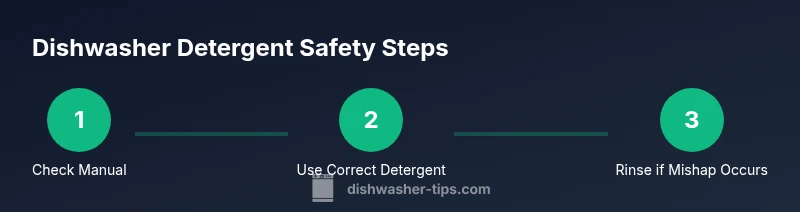
Do not use ordinary dish soap in a dishwasher. Liquid dish soap can produce excess suds that overflow from the tub, foul smells, and potential motor or drain damage. Always use only dishwasher detergent designed for automatic machines. If you’ve accidentally used dish soap, stop the cycle, run a rinse cycle, and wipe away suds from seals and drawers.
Why this question matters
If you’re asking can I use dishwasher can i use dish soap, you’re not alone. The short answer is no, and the longer answer involves understanding how dish soap differs from dishwasher detergents and why foaming can become a serious issue. Using the wrong soap can flood the door seals, overflow the tub, and even strain the pump and drain pathways. In practice, most manufacturers recommend detergents designed specifically for automatic dishwashers. According to Dishwasher Tips, deviation from this guideline is one of the most common beginner mistakes in kitchen appliance care. This article explains what happens when dish soap ends up in the machine, the risks involved, and what to use instead to keep your dishwasher running clean and efficient. Understanding the distinction between dish soap and dishwasher detergent helps you avoid costly repairs. Dish soaps are designed to cut grease on dishes, not to function in enclosed wash cycles. They produce lots of suds that can travel into the sump and clog drainage lines. Even a small amount can create a foam layer that blocks spray arms. The Dishwasher Tips team has found that suds can retreat into the cabinetry and leave residues on seals and filters, creating odors and requiring more intensive cleaning.
This section sets the stage for practical guidance on safe usage, proper detergents, and quick recovery if a mishap occurs.
The difference between dish soap and dishwasher detergent
Dish soap and dishwasher detergent are built for different environments. Dish soaps are formulated to break down grease on cookware under open, ventilated sinks and hot taps. They create rich, lasting foam that helps with scrubbing but is not designed to operate inside a sealed dishwasher chamber. In contrast, dishwasher detergents (powder, gel, or tablet/pod forms) are engineered to work with the machine’s spray patterns, water temperature, and filtration system. They produce minimal suds in a controlled way and contain enzymes and surfactants chosen to clean efficiently without overflowing vents or gaskets. The key takeaway is that the chemistry and foam management of dishwasher detergents are specifically tuned for the appliance, while regular dish soap is not. For this reason, following the manufacturer’s detergent recommendations is essential. As Dishwasher Tips notes, most modern machines rely on precise dosing to prevent residue and ensure even drying.
If you’re migrating from hand-washing habits to machine care, treat detergents as a dedicated category—never swap dish soap for dishwasher detergent unless the manual explicitly confirms it.
What happens when dish soap enters a dishwasher
Pouring dish soap into a dishwasher triggers rapid foaming that the machine is not designed to handle. Foam can reach the door gasket, spray arms, and filters, spreading suds across the tub. Excess suds can back up into the drain mechanism, leak into cabinetry, and suppress the pump’s ability to circulate water. In severe cases, suds may overflow the door during cycles, leading to water damage and a soggy kitchen floor. Even if the cycle completes, soap residues can cling to dishes, racks, and seals, causing persistent odors. The risk isn’t مجرد cosmetic: the suds can interfere with sensors and drainage, potentially triggering error codes or mechanical strain. The Dishwasher Tips team has observed that repeated exposure to suds increases the likelihood of seal wear and faster grime buildup in hard-to-clean crevices. The best practice remains to avoid dish soap entirely and opt for dishwasher detergents designed for automatic machines.
If you’ve already added dish soap by mistake, don’t panic. The next steps help minimize damage and restore normal operation.
The risks to your dishwasher and home
Foaming soap can cause overflow that reaches the door seals and cabinetry, creating a slippery mess and possible water damage. Suds can enter the drain hose and siphon, leading to poor drainage or backups into the sump. The pump motor and spray arms may work harder to move soapy water, shortening their life and increasing energy use. Dishes may not dry properly if suds cling to surfaces, leaving residue that looks like film. Soap residues can also attract dust and mold over time, especially in humid environments. From a safety perspective, overflow can present a slipping hazard on kitchen floors and may trigger moisture-related electrical risks if water reaches outlets. The primary risk is financial and practical: repair or replacement costs, plus more frequent maintenance. Dishwasher detergents are formulated to minimize these risks and to work with your appliance’s plumbing and filtration system.
Dishwasher Tips emphasizes that sticking with manufacturer-approved detergents is the simplest path to dependable performance.
Safer alternatives: using proper dishwasher detergents
The safest path is to choose a dishwasher detergent that matches your machine’s design and water type. Powder, gel, or tablet detergents are formulated to dissolve at the right rate, produce minimal suds, and work with water hardness levels. Look for detergents labeled for your machine’s load size and water hardness. If you’re concerned about hard water, consider detergents that include anti-spot or rinse aid properties, or use a dedicated rinse aid to improve drying and reduce film. Pods are convenient but ensure you place them in the correct dispenser and avoid breaking them. Avoid any dish soaps, hand washes, or non-dishwasher products in the dishwasher. For households with septic systems, verify that the detergent is septic-safe. The Dishwasher Tips analysis shows that using appropriate detergents reduces the risk of residue and odors while maintaining machine longevity.
Safer maintenance habits include cleaning the filter regularly, checking spray arms for clogs, and running a cleaning cycle with a dishwasher-safe cleaner every 1–3 months.
How to recover from a soap mishap
If soap has already been introduced, act quickly to minimize damage. Stop the cycle immediately or cancel it if possible. Open the door carefully to release built-up pressure slowly. Wipe away as much suds as you can from the door, seals, and interior walls with a dry towel. Run a cycle with plain water (no detergent) to rinse the tub and remove as much suds as possible. If suds persist, run a second rinse cycle and a short hot-water cycle to help dissolve residual soap. After the load finishes, inspect seals and gaskets for any signs of wear or residue. Finally, dry the interior and door thoroughly to prevent mold growth. Dishwasher Tips suggests keeping dish soap away from the dishwasher area and storing it in a high, lidded container to prevent accidental spills.
Healthy preventative step: label containers clearly and train family members to use only dishwasher detergents for machines.
Detergents: powder vs gel vs pods
Detergents come in multiple formats, each designed for specific loading patterns and water conditions. Powder detergents offer flexible dosing, which can be beneficial on larger loads and very dirty dishes, but they can leave MWF traces if not fully dissolved. Gel detergents provide consistent dosing and dissolve quickly, reducing the risk of residue. Pods offer convenience and consistent dosing but require correct placement in the dispenser. The key is to choose a product that is compatible with your machine and water hardness. Avoid combining products or using expired detergents, as both can reduce cleaning efficiency and increase residue. The Dishwasher Tips team notes that sticking to the recommended detergent type for your model helps maintain performance and reliability over time.
Maintenance tips to prevent future incidents
Establish a routine to prevent similar mishaps. Store dish soap away from the dishwasher and out of reach of children or pets. Regularly inspect the dishwasher’s filters, spray arms, and door seals for grease, soap residue, or mineral buildup. Use a monthly dishwasher cleaner to remove mineral deposits and food debris. Choose a rinse aid suitable for your water hardness to improve drying and reduce spotting. If your model supports it, run a maintenance cycle with a dishwasher-safe cleaner on a regular basis. These practices help keep your dishwasher running efficiently and reduce the chance of soap-related foaming issues. The Dishwasher Tips analysis supports these preventative measures as part of routine maintenance.
When to call a professional
If you notice persistent foaming after using the correct dishwasher detergent, or if you observe leaks, poor drainage, or unusual noises, contact a licensed technician. Long-term foaming can indicate a faulty seal, a clogged drain, or a malfunctioning pump—issues best handled by an expert. While some minor problems can be resolved with routine maintenance, complex repairs require professional assessment. The Dishwasher Tips team recommends scheduling service promptly to prevent further damage and ensure continued reliability of your appliance.
Practical steps for your next load
To ensure you don’t repeat a dish soap mishap, always verify you’re using the correct product for your machine, follow the manufacturer’s dosing guidance, and store all cleaning products away from the appliance. When loading, distribute items evenly to avoid blocking spray arms, and select a detergent option that matches load size and water type. If your water is hard, consider a detergent with built-in descaling properties and use a separate rinse aid. By maintaining proper detergent use, regular cleaning, and attentive loading, you’ll minimize suds, improve cleaning results, and extend the life of your dishwasher. The Dishwasher Tips team endorses these practices as foundational for reliable, safe operation.
Tools & Materials
- Dishwasher detector or manual(Locate detergent guidance and recommended products)
- Measuring spoon (5 ml)(Precise dosing for any test or routine use)
- Microfiber cloth(Wipe away suds from seals and surfaces)
- Protective gloves(Keeps hands clean during cleanup)
- Dishwasher-safe cleaner(Regular maintenance to remove mineral buildup)
- Paper towels or towels(Contain spills and dry surfaces quickly)
Steps
Estimated time: 60-90 minutes
- 1
Check the manual for detergent guidance
Open the owner's manual and locate the detergent section. Confirm whether your model allows any non-dishwasher detergents and read any warnings about suds or alternative products.
Tip: If the manual forbids non-dishwasher detergents, do not attempt to test with soap. - 2
Avoid dish soap in routine loads
Commit to using only dishwasher detergents designed for automatic machines in normal operation. Keeping to the manufacturer’s recommendation helps protect seals and pumps.
Tip: Store dish soap away from the dishwasher and label products clearly. - 3
Respond quickly if soap is added by mistake
If you accidentally add dish soap, stop the cycle immediately, open the door with care, and wipe away suds from the gasket and interior.
Tip: Do not continue to run the cycle with suds present. - 4
Rinse and clear the tub
Run a rinse cycle with plain water to remove soapy residue. If suds persist, repeat the rinse once more before loading with proper detergent.
Tip: Use a hot water cycle to help dissolve lingering soap more effectively. - 5
Test with proper detergent in a short cycle
After a full rinse, run a short cycle with a recommended dishwasher detergent to verify that the tub and drain system are functioning normally.
Tip: Check for any unusual odors or buildup after the cycle completes. - 6
Implement prevention measures
Train household members to avoid dish soap and to store cleaners safely away from the appliance. Schedule regular maintenance checks.
Tip: Create a simple label or reminder near the cleaning products to reinforce proper usage.
People Also Ask
Is it safe to use dish soap in a dishwasher?
No. Dish soap is not designed for dishwasher cycles and can cause excessive foaming, overflow, and damage to the unit.
No, dish soap isn’t safe for dishwashers; it causes foaming and potential damage.
What should I use instead of dish soap?
Use dishwasher detergents designed for machines, such as powders, gels, or pods, following the manual’s recommended dosage.
Use dishwasher detergents designed for machines, and follow the dosage on the label.
What should I do if I already added dish soap?
Stop the cycle, wipe away suds, run a rinse cycle with plain water, and inspect seals for residue after the load finishes.
Stop the cycle, rinse, and inspect for residues after the rinse.
Can hard water affect detergent choice?
Yes. Hard water can cause mineral buildup and reduce cleaning efficiency; choose detergents formulated for hard water and use rinse aid.
Hard water can impact cleaning; pick hard-water friendly detergents and use rinse aid.
Are dishwasher pods safer than liquid detergents for misloading?
Pods offer convenient dosing but must be used as directed; misuse can still cause residue or clogs. Always place them in the dispenser.
Pods are convenient but must be used as directed to avoid residue.
Does Dishwashing Tips provide other tips for detergent choices?
Yes. The Dishwasher Tips team shares guidance on selecting detergents that match water hardness, load size, and energy efficiency.
Yes, they offer guidance on choosing detergents based on water and load.
Watch Video
What to Remember
- Use only dishwasher detergents, never dish soap
- Foaming can cause overflow and damage components
- Store cleaners away from the dishwasher to prevent accidents
- Follow manufacturer guidance for detergent and rinse aids