Installing KitchenAid Dishwasher: A Homeowner's Step-by-Step Guide
Learn how to install a KitchenAid dishwasher with a safety-first, homeowner-friendly approach. This 1800-word guide covers prep, tools, step-by-step installation, testing, and maintenance for a code-compliant setup.


By following this guide, you'll safely install a kitchenaid dishwasher in your kitchen. You'll prepare the opening, shut off power and water, level the unit, and connect supply lines and drainage correctly. The steps emphasize safety, code compliance, and proper tool use for a successful installation. This article covers tools, measurements, and common mistakes to avoid.
Overview and Safety Considerations
Installing a dishwasher is a practical home improvement project that delivers convenience and improves kitchen sanitation. For homeowners preparing to install a kitchenaid dishwasher, safety and code compliance come first. Start by verifying the cabinet opening matches the unit’s dimensions and that the electrical circuit and water supply can support a new appliance. According to Dishwasher Tips, the most successful installations begin with a clean workspace, a plan for routing hoses, and a quick check of local codes before unboxing. The Dishwasher Tips team emphasizes adhering to manufacturer guidelines and local plumbing and electrical codes to minimize leaks, floods, and electrical hazards. In this guide, you’ll find the steps you’ll perform, the tools you’ll need, and the decisions you’ll face to complete a secure, code-compliant installation. We’ll cover electrical and plumbing considerations, including whether you use an air gap, how to verify a dedicated circuit, and how to protect cabinetry during the install. Throughout, you’ll see practical, actionable advice grounded in common-sense troubleshooting.
Planning, Measurements, and Opening Prep
Before you unbox a new KitchenAid dishwasher, take precise measurements of the cabinet opening and the surrounding space. Most standard dishwashers require about 24 inches of width and 33-34 inches in height, but always confirm exact specs in the installation manual. Check the depth allowance behind cabinets and the clearance for door swing and plumbing lines. Map the route for water supply and drainage, and plan access to a nearby electrical outlet or junction box. Decide whether you’ll reuse an existing shutoff valve or install a new one, and identify where the drain will connect. This planning step helps prevent fit issues that would force you to pull the appliance out again. As you measure, keep the area clean and free of obstructions, and note any obstacles such as baseboard trim or flooring transitions. Having a clear plan reduces stress and speeds up the actual install. The goal is to ensure the opening can accommodate a KitchenAid dishwasher while leaving room for leveling feet and connection hoses.
Tools, Materials, and Prep Essentials
A smooth install starts with the right tools and materials within easy reach. Gather a adjustable wrench, Phillips and flat-head screwdrivers, a level, a tape measure, pliers, a utility knife, bucket, rags, and a flashlight. Have replacement hoses or adapters if your home water lines use nonstandard fittings, and keep a designated area clear for temporary storage of old components. If a power cord is included, confirm its rating matches the circuit you’ll connect to; if a hard-wired option is required, ensure you have appropriate wiring gear and a licensed electrician available per local code. Keep corroded connections and old hardware out of the work zone to prevent contamination and leaks. Finally, confirm that you have the necessary sealants or gaskets to create a watertight fit between the dishwasher and cabinetry.
Step-by-Step Installation Overview
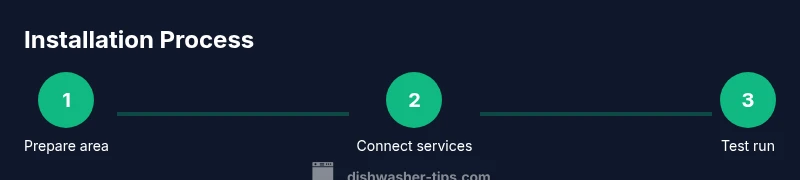
This section provides a high-level roadmap for the installation journey, while the detailed steps appear in the dedicated STEP-BY-STEP block. You’ll start by preparing the space, then install mounting brackets and anti-tip hardware as needed. Next, you’ll connect the water supply, drainage, and electrical service, and finally slide the unit into the opening, align it, and verify that it is level. The process emphasizes a methodical approach: measure twice, connect once, and test thoroughly. Remember to consult your KitchenAid manual for any model-specific requirements and always follow local building codes. If you’re replacing an old unit, keep track of the disassembled pieces and take photos to guide reinstallation.
Water Supply, Drainage, and Electrical Connections
Water supply connections typically require a 3/8-inch compression fitting on the hot water line. Shut off the household water supply before disconnecting any lines, then attach the new supply line with thread sealant or Teflon tape as directed by the manufacturer. For drainage, a high loop or air gap is often recommended to prevent backflow; secure the drain hose to the disposal or sink drain and ensure a smooth, unobstructed path to prevent kinks. Electrical connections may be plug-in or hard-wired depending on the model and local code; if you’re not confident, contact a licensed electrician. Always verify that the circuit is de-energized before handling wires, and confirm that the outlet or junction box is grounded. Finally, secure all hoses and cords with clamps to prevent movement during operation.
Leveling, Securing, and Final Fit
Leveling feet should sit firmly on the floor and the unit should be plumb from front to back. Use a level to adjust the feet until the front face is perfectly vertical; subtle adjustments can prevent door misalignment and leaks. Secure the mounting brackets to the underside of the cabinet frame or the anti-tip hardware provided with the model. Double-check that the dishwasher is centered within the opening, and maintain the required clearance around door hinges and adjacent cabinetry. Once positioned, recheck plumb and level, then fasten screws at the manufacturer’s recommended points. A well-leveled unit reduces vibration during cycles and helps maintain a watertight seal.
Testing, Adjustments, and Maintenance
After completing connections, restore power and water, then run a short test cycle with an empty load to check for leaks and proper drainage. Listen for unusual sounds and observe the wash action to ensure water is circulating correctly. If leaks appear, tighten fittings gradually and inspect seals; if the unit doesn’t drain, recheck the drain hose routing and the compatibility of the air gap. Regular maintenance after installation includes cleaning the filter and checking spray arms for obstructions, which helps maintain performance and energy efficiency. Keep the manual handy for model-specific steps and create a simple maintenance schedule to extend the life of your appliance. The goal is a quiet, efficient operation and to avoid repeat service calls by performing routine checks.
Authority Sources
Here are reliable resources for safety guidelines, installation best practices, and appliance efficiency considerations:
- https://www.energy.gov/
- https://www.osha.gov/
- https://www.consumer.ftc.gov/
Citations are provided to support safety and installation best practices, with a focus on appliance safety and code compliance.
Tools & Materials
- Measuring tape(At least 24 inches (60 cm) for opening width checks)
- Level(2-foot (60 cm) minimum for leveling feet)
- Adjustable wrench(For hose fittings and mounting screws)
- Screwdrivers (Phillips and flat head)(Basic set for brackets and panels)
- Pliers(Grip hoses and clamps securely)
- Bucket and rags(Contain spills during connections)
- Teflon tape or thread sealant(For water fittings to prevent leaks)
- Drain hose kit or air gap (if required)(Follow model requirements)
- Electrical tester or multimeter(Optional, for verifying power off state)
- Utility knife(For trimming packaging or hoses if needed)
- Assistant or helper(Help with moving the unit and alignment)
Steps
Estimated time: 60-120 minutes
- 1
Power off and prepare area
Shut off the circuit breaker serving the kitchen outlet and the home water supply. Clear the workspace, remove kick boards if needed, and protect the floor. This prevents electrical shock and water damage during install.
Tip: Use a non-contact voltage tester to confirm power is off before touching any wires. - 2
Remove existing unit (if replacing)
If you’re replacing an old dishwasher, disconnect electrical and plumbing connections, then remove mounting screws and pull the unit out carefully. Have a helper ready to support the weight.
Tip: Take photos of the connections for reference when reconnecting the new unit. - 3
Check opening dimensions and clearance
Measure width, height, and depth of the cabinet opening. Ensure clearance for hoses, wiring, and door clearance. Correct any cabinetry interference before proceeding.
Tip: Double-check manufacturer specifications for the exact model you’re installing. - 4
Position mounting brackets and anti-tip hardware
Attach brackets as required by the model to prevent tipping in operation. Level the dishwasher front with the surrounding cabinetry, but do not push it fully in yet.
Tip: Pre-fit hardware to confirm alignment before final placement. - 5
Connect water supply line
Connect the hot water supply line to the dishwasher inlet using a 3/8-inch compression fitting and tighten with two wrenches to avoid leaks. Replace the shutoff valve if necessary.
Tip: Use Teflon tape on threads and snug fittings to prevent drips. - 6
Attach drain hose and install air gap if required
Route the drain hose to the sink drain or disposal, securing it with clamps. If your setup requires an air gap, install it according to local codes and the manual.
Tip: Keep the hose loop high to prevent backflow. - 7
Electrical connection or plug-in
Plug into a properly grounded outlet or follow hard-wiring instructions per the model. Ensure the power is off during connections and comply with local electrical codes.
Tip: If unsure, hire a licensed electrician to avoid electrical hazards. - 8
Level, secure, and run a test cycle
Push the unit into the opening, fine-tune leveling feet, and secure the securing screws. Run an empty cycle to verify leaks, drainage, and operation.
Tip: Check for vibrations; adjust feet if the door isn’t flush.
People Also Ask
Is it safe to install a KitchenAid dishwasher yourself?
With proper preparation, adherence to safety practices, and careful attention to local codes, a confident homeowner can install a KitchenAid dishwasher. This guide covers the essential steps and precautions. If any step feels beyond your comfort level, hire a licensed professional.
Yes, you can install it yourself if you follow safety steps and local codes. If unsure, hire a pro.
Do I need a dedicated circuit for a new dishwasher?
Most modern codes require a dedicated 15- or 20-amp circuit for a dishwasher. Check your local electrical code and appliance manual for exact requirements.
Yes, a dedicated circuit is typically required.
Can I reuse my existing water supply line?
You can reuse an existing supply line if it’s in good condition and compatible with the new unit. Inspect fittings, valves, and hoses for wear and replace as needed.
Reuse is possible if hoses and fittings are in good condition.
What if the drain doesn’t seem to drain after installation?
Check the drain hose routing, ensure there’s a proper loop or air gap, inspect the disposer connection, and run another test cycle. Leaks or kinks are common culprits.
Check hose routing and air gap, then retest.
Is a disposal connection required for all installations?
A disposal connection isn’t always required; some setups connect to the sink drain or an air-gap. Follow the model guidelines and local code.
Not always; follow your setup and local rules.
How long does installation typically take?
Most installations take about an hour to two, depending on cabinet layout and existing hookups. Allow extra time for checks and adjustments.
Expect roughly 60 to 120 minutes.
Watch Video
What to Remember
- Plan space and measurements before unboxing.
- Secure power, water, and drain connections correctly.
- Ensure the unit is level for proper operation.
- Run a test cycle to confirm drainage and leaks.
- Follow manufacturer instructions and local codes.