Where to Install Dishwasher Air Gap: A Practical Guide
Learn where to install a dishwasher air gap, how to route hoses safely, and what parts you’ll need for a code-compliant, leak-free setup that protects your kitchen from backflow.


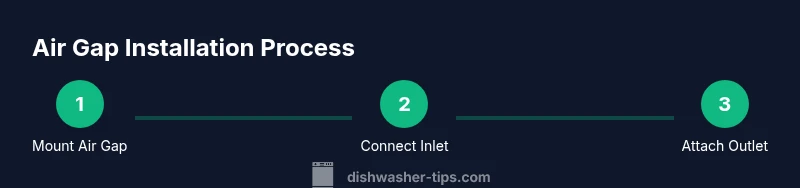
Where to install dishwasher air gap? Mount the air gap on the sink deck or countertop, feed the dishwasher drain hose into the air gap inlet, and connect the outlet hose to the sink drain. Ensure you comply with local codes and use the proper mounting hardware. This quick setup keeps backflow out of your dishwasher and sink.
Overview: What an air gap does and why it's required
An air gap is a small, purpose-built device that prevents wastewater from siphoning back into your dishwasher. It creates a visible air space between the dishwasher drain and the home drain, catching any backflow before it can contaminate your machine or kitchen sink. In many places, plumbing codes require either an air gap or an approved alternative to protect potable water. A correctly installed air gap reduces contamination risk and simplifies maintenance by providing a clear point to inspect hoses for wear. Before you install, confirm your local code and select an air gap that matches your sink deck or countertop thickness. Also verify compatibility with your dishwasher’s drain hose size and your sink’s drain setup.
Where to install: countertop vs sink deck options
You have two common mounting options for an air gap: on the sink deck (the countertop surface) or on a separate surface adjacent to the sink. The countertop option is most common in homes with standard sink holes and a raised lip for mounting. The deck-mounted version sits flush with the surface and is easier to clean. In either case, the air gap should be accessible for cleaning and for periodic hose inspection. Avoid placing the device where it will be blocked by a soap dispenser, faucet, or tall spray head. If your sink lacks a deck hole, you can create one with a drill, provided you choose a model with compatible mounting hardware and sealant. Always verify the hole size matches the air gap’s shank and ensure a secure seal to prevent leaks.
Code and safety considerations
Local codes vary on whether an air gap must be installed above the countertop or may be installed under the sink. In many jurisdictions, a dedicated air gap device is required by code, and the drain hose must run through the air gap into the sink drain or disposal. Some codes permit an integral high-loop instead of an air gap, but this is less common and may not provide the same backflow protection. Regardless of code, never connect the dishwasher drain directly to a disposal inlet without an air gap, and never route hoses with sharp bends. Use stainless steel hose clamps, avoid submerging the air gap inlet, and ensure there is no obstruction that could create backflow.
Planning your route and placement
Plan the route from the dishwasher to the air gap and then to the drain so there are no sharp turns or kinks. Aim for a short, direct run with a gentle slope to promote gravity-assisted drainage. Keep the air gap elevated and clear of heat sources under the sink. If you install the air gap on the countertop, ensure it remains stable when you open the sink lid. If you install it on the deck, use the provided mounting screws and grommet, sealing with manufacturer-recommended sealant. Finally, confirm you can easily access the air gap’s top for periodic cleaning and inspection.
Tools, materials, and prepping the workspace
Before you start, gather the essential items: an air gap unit rated for your sink, the dishwasher drain hose, an outlet hose to the drain, mounting hardware, a screwdriver, drill with the correct bit, hose clamps, and any sealant recommended by the manufacturer. Clear the area under the sink, drain any standing water, and have towels on hand for spills. Having everything prepared reduces surprises and helps you work efficiently. If you plan any hose relocation, test the route dry before connecting water to avoid leaks.
Common setup patterns and diagrams
Most installations follow a straightforward pattern: dishwasher drain into the air gap inlet, air gap outlet to the sink drain or disposal, and a clean, unobstructed route. Some installations use a short vertical stub-out with a dedicated hose, while others route directly to a tailpiece. Always keep the top cap accessible for cleaning and ensure the inlet and outlet faces align with the correct directions. When in doubt, refer to the air gap manufacturer’s instructions and local codes. A clear diagram helps you visualize the path and prevents misrouting that could hamper drainage.
Testing and maintenance after installation
After mounting, run a test cycle to check for leaks and to confirm water flows through the air gap to the drain. Inspect hose clamps and seals and look for any seepage at the deck or countertop interface. If leaks appear, reseal with silicone or tighten mounting screws as appropriate. Regular maintenance includes wiping the unit, clearing the top cap to prevent buildup, and ensuring hoses remain free of kinks or blockages. Schedule periodic checks, especially after long periods of non-use, to protect against mold and odors in the drain line and to ensure ongoing backflow protection.
Tools & Materials
- Air gap unit(Select a unit compatible with your sink deck thickness)
- Dishwasher drain hose(From the dishwasher to the air gap inlet)
- Outlet drain hose(From air gap outlet to drain or disposal)
- Mounting hardware (screws, grommets)(Usually included with air gap)
- Screwdriver set(Phillips and flat-head as needed)
- Drill with appropriate bit(For creating or enlarging the mounting hole)
- Hose clamps (stainless steel)(Secure hose connections)
- Sealant or plumber’s putty(As recommended by manufacturer)
- Towels and bucket(Cleanup during install)
- Adjustable wrench(Tighten fittings securely)
Steps
Estimated time: 60-90 minutes
- 1
Choose mounting location
Select a location on the sink deck or countertop that is easily accessible for cleaning and inspection. Verify there’s enough clearance from the faucet, soap dispensers, and tall spray heads. This ensures you can operate the air gap without obstruction and reduces the risk of damage.
Tip: Double-check the space before drilling; mark the center with a punch to prevent wandering. - 2
Mark and drill the deck hole
If your air gap requires a deck hole, mark the center and drill to the manufacturer’s specified diameter. Clean the hole edges to prevent nicks on hoses and ensure a snug fit for the shank.
Tip: Use a center punch and tape to avoid drill wandering; wear eye protection. - 3
Mount the air gap
Insert the air gap body through the hole, align the gasket, and secure with the provided screws and mounting hardware. If required, apply a thin bead of sealant around the deck to seal against moisture.
Tip: Tighten evenly to avoid cracking the deck or distorting the gasket. - 4
Connect the dishwasher hose to the inlet
Attach the dishwasher’s drain hose to the air gap inlet using a hose clamp. Ensure the connection is snug and routed without sharp bends. Loose connections can cause leaks and backflow.
Tip: Slide the clamp past the ferrule and tighten firmly; keep the hose straight for a clean run. - 5
Attach the outlet hose to the drain
Connect the air gap outlet to the sink drain or disposer inlet via the supplied hose. Route the hose with a gentle slope and avoid kinks that impede drainage. Secure with a hose clamp.
Tip: Keep the outlet hose above the water line of the drain to promote proper flow. - 6
Test and finalize
Run a test cycle to check for leaks and confirm water flows correctly through the air gap to the drain. Re-seal any gaps and tighten mounts as needed. Once dry, wipe down the area and ensure the top of the air gap is easily accessible for cleaning.
Tip: Test with both hot and cold water to ensure no temperature-related leaks.
People Also Ask
Is an air gap required by code everywhere?
Codes vary by location. Some jurisdictions require an air gap or an approved alternative. Check your local plumbing code and, if in doubt, consult a licensed plumber.
Code requirements vary by location; check your local plumbing code or ask a plumber.
Can I install the air gap under the sink?
Many codes require the air gap to be above the counter, but some allow under-sink installation if the unit is accessible and properly vented. Always follow the manufacturer’s instructions and local codes.
Above-counter installation is common, but check local rules first.
What is the best route for the drain hose?
Use a short, direct run from the air gap to the drain with a gentle slope. Avoid sharp bends or long loops that could trap water or cause siphoning.
Keep the hose straight with a gentle slope to the drain.
What if I don’t have a disposer?
Connect the air gap outlet to the sink tailpiece or a dedicated drain line, using the appropriate adapter. Ensure the connection remains above any possible water level and is sealed.
Use the sink drain or tailpiece, with the right adapter and seal.
How do I maintain the air gap?
Regularly remove the top cap and clean out debris. Check hose clamps for tightness and inspect for signs of wear or leaks. Clean with mild soap and water.
Clean the top cap and check hoses routinely.
Do I need professional help for this?
If you’re unsure about drilling, routing, or code compliance, consider hiring a licensed plumber. A professional can ensure a code-compliant and leak-free install.
When in doubt, hire a plumber for code-compliant installation.
Watch Video
What to Remember
- Mount the air gap where it is accessible for cleaning.
- Route hoses with gentle curves and proper seals to prevent leaks.
- Follow local codes to ensure a compliant installation.
- Test thoroughly for leaks before finishing the job.
- Regular maintenance keeps backflow protection reliable.