Where to Install a Dishwasher Drain Hose: Step-by-Step Guide
Learn where to install your dishwasher drain hose, how to create a safe high loop or air gap, and how to test for leaks. Step-by-step guidance, maintenance tips, and code considerations for a reliable setup.


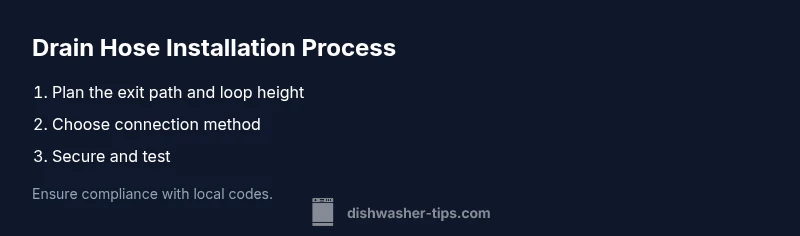
To install correctly, place the dishwasher drain hose high enough to prevent backflow and connect to the sink drain or disposer's inlet with a 1–2 inch high loop. Locate the disposal or tailpiece, route the hose to avoid kinks, secure with clamps, and never route it into the cabinet floor. This protects your appliance and floor.
Practical Overview: Why drain hose placement matters
The drain hose path for a dishwasher is not just a convenience feature; it safeguards your home from water damage and mold growth. According to Dishwasher Tips, proper drain hose placement is essential to prevent backflow of dirty water into the dishwasher and to minimize the chance of leaks down into cabinets or floors. In many homes, a suboptimal route can lead to slow drainage, standing water, or gurgling sounds that indicate air or siphon issues. When you understand where to install dishwasher drain hose and how to route it, you reduce maintenance costs and extend the life of your appliance.
In addition to backflow prevention, the routing you choose affects drainage efficiency and odor control. A correctly positioned hose helps water move freely toward the sink or disposal without creating kinks or sharp bends that impede flow. The Dishwasher Tips analysis shows that many households overlook a proper high loop or air gap, which increases the risk of leaks and contamination over time. If you’re remodeling or replacing an old hose, prioritize a route that stays clear of hot surfaces, sharp edges, and potential points of impact from cabinet doors or drawers.
As you plan, remember that local codes may require an air gap or a specific connection method to meet safety standards. You’ll often find that service technicians and inspectors emphasize a high loop that rises above the level of the sink drain and remains protected from damage. Your goal is a clean, secure, and code-compliant connection that minimizes turbulence and backflow while keeping the hose free of kinks.
For homeowners and renters, a thoughtful approach saves you time and money in the long run. Start by measuring the available path from the dishwasher to the chosen exit point, then prepare the hose and clamps you’ll need. The key decisions are the exit path, the height of the loop, and whether you’ll use an air gap or a direct connection to a disposal or tailpiece. With careful planning, you can complete the install in a few straightforward steps and verify success with a test run.
note?:null}
Understanding installation options: High loop vs air gap vs direct connection
There are several viable ways to connect a dishwasher drain hose, and the best choice depends on your kitchen layout and local plumbing codes. The most common methods are a high loop looped up under the sink, a connection via an air gap mounted on the countertop or sink deck, or a direct connection to the garbage disposal inlet or sink tailpiece without an air gap.
- High loop: This option creates a vertical rise in the hose at least 1–2 inches above the sink drain before it drops to the disposal or tailpiece. It’s simple, inexpensive, and commonly accepted by many jurisdictions. The loop should be secured to prevent movement or sagging, and it must be kept free from sharp bends.
- Air gap: An air gap is a small device installed above the sink or on the countertop that forces water to siphon through an open space to prevent backflow into the dishwasher. While more expensive and sometimes not required, an air gap is mandated by certain codes, particularly in areas with strict backflow prevention rules. If your home has shared water lines or stricter codes, this might be the safer choice.
- Direct connection: Some installations connect the drain hose directly to the garbage disposal inlet or the sink tailpiece without an air gap. This can be acceptable where code allows, but it must still deter backflow through proper looping and securing. If a disposal is present, ensure the knockout plug is removed if you’re connecting to the disposal inlet and that the hose has enough clearance for proper drainage.
Choosing between these options involves considering the dishwasher’s drain height, the space under the sink, and whether your local plumbing code requires an air gap. The goal is a secure, leak-free connection that minimizes backflow risk while allowing the dishwasher to drain efficiently. If you’re unsure about local regulations, consult your building department or a licensed plumber before proceeding.
From a maintenance perspective, a high loop or air gap generally reduces the chance of backflow-related odor and clogs better than a loose direct connection. The key is to avoid hose sagging, kinks, or contact with cabinet surfaces that can abrade the hose over time. In all cases, use clamps to secure the hose firmly to the chosen exit point and check periodically for signs of wear.
note?:null}
Step-by-step planning: Mapping your kitchen layout
Before you touch a screwdriver, map out the path from the dishwasher to its exit. Start by measuring the distance and identifying potential exit points: the garbage disposal inlet, the sink’s tailpiece, or an air gap mounting location. Sketch a quick diagram showing the dishwasher’s location relative to the sink and disposal, noting any obstructions (cabinet braces, pipes, or water lines).
Consider these planning questions:
- How high can the drain hose loop safely rise without interfering with cabinet doors or drawers?
- Is there a convenient mounting spot for a hose clamp or zip ties that keeps the hose secure and out of reach of foot traffic?
- Will a dedicated air gap be required by code, or is a direct connection permissible?
With a plan in place, you’ll avoid rework and ensure you have the right hardware and hose length. This stage also helps you determine if you’ll need a longer hose or additional fittings to accommodate your chosen exit point. Remember, the quality of your plan directly affects the speed and ease of the actual installation.
The Dishwasher Tips team recommends documenting your plan and taking measurements twice. It reduces surprises during the actual install and helps you buy the correct clamps and connectors the first time. Once you’re confident in the route, you’re ready to gather tools and set up the work area.
Planning also helps you minimize the risk of making a mistake that causes leaks. Ensure you have access to a dry towel or small bucket in case water drips during testing. A calm, measured approach saves time and keeps the dishwasher area clean during the process.
note?:null}
Choosing the exit point: Tailpiece, disposal, or air gap
Deciding where the drain hose exits the cabinet is a critical step that affects both performance and code compliance. If your kitchen has a garbage disposal, connecting the hose to the disposal inlet is common, but you must ensure the disposal’s knockout plug is removed and there is enough clearance for a stable connection. If no disposal exists, the tailpiece beneath the sink is a reliable alternative.
Air gaps offer the highest assurance against backflow in some jurisdictions. An air gap is typically mounted on the sink deck or countertop and has a short hose running from the dishwasher to the gap, with a second hose directing wastewater to the sink drain. If you choose this path, verify that your sink or countertop can accommodate the device and that you have the correct fittings.
When selecting an exit point, also consider serviceability. A route that’s easy to access for inspection and replacement reduces maintenance time and ensures you can address any leaks quickly. The decision can be revisited if you later remodel or install a new disposal or tailpiece. Your goal is a stable, leak-free connection that’s easy to maintain.
Note: If you’re in a condo or rental with shared plumbing or stricter rules, check with building management before making changes. The right exit point for your specific setup can vary based on plumbing configurations and local codes.
note?:null}
Routing the hose: bend radii, length, and securing
Routing the hose safely is as important as choosing the exit point. Avoid sharp bends that can kink the hose and hinder drainage. A good practice is to route the hose with gentle curves and at least a 2–3 inch radius where it changes direction. Any sagging sections should be lifted and secured with clamps or zip ties to prevent contact with hot pipes or the cabinet floor.
The length of the hose should be sufficient to reach the exit without stretching. Leave a little slack to accommodate slight movements of the dishwasher. If you have extra length, coil it neatly behind the appliance, making sure no portion of the hose sits on the cabinet floor where it might get damaged.
Secure the hose along its path using clamps at regular intervals. Avoid letting the hose rest on rough edges or press against metal edges that could abrade the plastic. If you’re routing it through a cabinet door, ensure the door won’t pinch the hose when opened or closed. After routing, check that the hose can move freely without rubbing.
Pro tip: Use color-coded zip ties or markers to confirm the hose path on your plan and during installation. This helps future maintainers recognize the route quickly and reduces the chance of accidentally altering it later.
tip":"Keep bends smooth and avoid pinching the hose during cabinet doors operations"}
High loop and air gap: configuring for safety and code
A correctly configured high loop is a simple, code-friendly approach that doesn’t require extra devices if local rules permit. For a high loop, secure the hose to the underside of the countertop or the cabinet using screws or durable zip ties, ensuring the loop remains above the disposal or tailpiece and does not sag. The loop height should be maintained consistently across the entire run to prevent backflow.
If your code requires an air gap, install the device on the sink deck or countertop and use a separate drain hose from the dishwasher to the air gap and from the air gap to the sink drain. The air gap installation prevents any backflow from entering the dishwasher, adding a safety margin when the main drain is clogged or under pressure.
In both cases, perform a leak test after installation and verify that water drains smoothly through the hose without backflow into the dishwasher. The choice between a high loop and an air gap often depends on local codes and the layout of your kitchen. Ensure you have the right fittings and hardware before tying up the project.
Dishwasher Tips recommends prioritizing a method that meets local requirements while providing long-term reliability. If you’re unsure, consult a licensed plumber to confirm your approach aligns with code and to verify the installation is done safely.
note?:null}
Testing for leaks and adjusting: after-install checks
With the drain hose in place, it’s time to test. Run the dishwasher through a complete cycle to observe the drainage path and identify any drips at the hose fittings, clamps, or exit point. Look for moisture on the underside of the sink and inside the cabinet. If you see any sign of leakage, tighten clamps gradually and recheck. It’s common to need a quick retighten after the first use as hoses settle.
If you notice slow drainage or backflow, inspect the pathway for kinks or obstruction and verify the loop height. A poor loop or an unexpected bend can cause siphoning effects that trap water in the hose. If needed, adjust clamps, re-route a short segment, or trim the hose for a better fit.
Finally, clean up the area and ensure there’s no standing water around the base of the cabinet. A protective mat or towel can prevent damage from minor leaks during the test. If you discover persistent leaks, consider replacing clamps or hose as needed and re-testing.
The Dishwasher Tips team highlights that most leak issues arise from loose connections or misrouted hoses. Regular inspection every few months is a smart habit, especially after a cabinet remodel or appliance replacement.
note?:null}
Maintenance and long-term care
Keeping your dishwasher drain hose in good shape reduces maintenance needs and prevents water damage. Periodically inspect the hose for signs of wear, cracking, or stiffening. Replace hoses that show wear, cracks, or stiffness, and verify clamps remain secure after heavy use or cabinet movement.
One practical maintenance tip is to check the exit path after heavy use or when you re-arrange your under-sink area. Piping or wiring changes can shift the hose, creating new bends or pinch points. Keeping a small toolkit handy allows you to tighten clamps or reposition the hose quickly.
In climates with hard water, mineral buildup can accumulate along the hose and fittings. If you notice reduced flow or white mineral deposits, consider flushing the line or replacing the hose, especially if it’s several years old. A little proactive care goes a long way toward preventing unexpected leaks and clogs.
The Dishwasher Tips team recommends keeping a log of maintenance checks and any replacements. This practice helps you track the hose’s condition and ensures a long, reliable service life for your dishwasher’s drainage system. Regular checks also support better overall appliance health and home safety.
note?:null}
Tools & Materials
- Screwdriver (Phillips and flat-head)(Have both types available for clamps and hose fittings)
- Adjustable wrench(For securing hose fittings and clamps)
- Measuring tape(Assess path length and loop height in inches)
- Dishwasher drain hose (new, length appropriate)(Check length; avoid excess slack and sharp bends)
- Hose clamps (metal or plastic)(At least two clamps; extra for upgrades)
- Cable ties or zip ties(Secure along the routing path; avoid movement)
- Air gap (optional, if required by code)(Install only if local code requires it)
- Bucket or towel(Cleanup leaks during testing)
- Marker and scissors(Trim hose to final length; mark route)
Steps
Estimated time: 45-75 minutes
- 1
Assess the setup and exit options
Inspect the cabinet space and exits: disposal inlet, sink tailpiece, or a potential air gap location. Confirm clearance and note any obstacles. This ensures you choose a safe, code-compliant path before touching the hose.
Tip: Take a quick photo of the current setup for reference before removing anything. - 2
Plan the path and loop height
Map a route from the dishwasher to the exit point. Decide on a 1–2 inch high loop above the drain and determine clamp points. Planning reduces trial-and-error and helps you gather the right hardware.
Tip: Mark the intended loop height with painter’s tape for consistency. - 3
Remove old hose and prepare fittings
If you’re replacing an existing hose, disconnect it using the appropriate tool. Check fittings for wear and clean the connection areas to ensure a good seal.
Tip: Do not force fittings; if they resist, re-check compatibility. - 4
Install the high loop and secure it
Attach the hose to the underside of the countertop or cabinet with clamps to create a stable loop. Ensure the loop stays clear of cabinet doors and is not compressed by other pipes.
Tip: Use two clamps on the looped section for extra security. - 5
Connect to the exit point and clamp
Attach the hose to the chosen exit point (disposal inlet, tailpiece, or air gap). Tighten clamps firmly but avoid overtightening that could crack fittings.
Tip: Ensure there are no kinks at the connection. - 6
Test for leaks and adjust
Run a dishwasher cycle and check all joints. Wipe surfaces dry and look for drips. Re-tighten or reposition as needed.
Tip: Have towels ready in case of minor leaks during testing. - 7
Finalize routing and tidy up
Secure any loose segments with zip ties and trim excess hose. Verify the setup remains accessible for future maintenance.
Tip: Leave spare length coiled behind the appliance rather than underfoot. - 8
Document and monitor
Note the installed loop height and exit path in your home maintenance log. Periodically inspect the hose and clamps.
Tip: Set a reminder to check the hose every 6–12 months.
People Also Ask
What is the purpose of a high loop for a dishwasher drain hose?
A high loop prevents backflow of water into the dishwasher by creating a physical barrier and helps meet many code requirements.
The high loop keeps used water from flowing back into the dishwasher.
Can I connect the drain hose directly to the sink tailpiece without an air gap?
In many areas, an air gap or proper disposal connection is required to prevent backflow; check local code.
Check your local code—an air gap might be required.
What tools do I need to install the drain hose?
You’ll need a screwdriver, adjustable wrench, measuring tape, hose clamps, and a new drain hose.
Basic hand tools and clamps will do.
How do I test for leaks after installation?
Run a dishwasher cycle and inspect all connections for drips. Tighten fittings if you see moisture.
Run a cycle and look for drips at the joints.
What if the hose is too short or too long?
If the hose is too short, replace it with a longer one. If too long, trim to the correct length without creating sharp bends.
If it’s too short, get a longer hose; don’t stretch it.
Is an air gap required by code in my area?
Some codes require an air gap; consult local authorities or a licensed plumber to confirm.
Check with your local building code.
Watch Video
What to Remember
- Plan the exit path before installing.
- Create a stable 1–2 inch high loop to prevent backflow.
- Secure the hose with clamps and avoid sharp bends.
- Test for leaks after installation and adjust as needed.