Can You Clean a Dishwasher with Bleach? A Safe How-To Guide
Learn whether you can clean a dishwasher with bleach, when to avoid it, and how to disinfect safely with a practical, step-by-step guide from Dishwasher Tips.


Yes, you can clean a dishwasher with bleach, but only when your manual supports it and you follow safety rules. Use bleach only on an empty dishwasher, never mix with detergent or other cleaners, and ensure thorough ventilation and a hot-water cycle. Bleach is for disinfection, not for regular maintenance.
Why bleach is discussed for dishwasher cleaning
Bleach, or sodium hypochlorite, is a powerful oxidizer that can help kill odor-causing bacteria and loosen stubborn mineral deposits on the dishwasher interior. The Dishwasher Tips team highlights that when used correctly, bleach can supplement routine cleaning by delivering a deeper sanitize during an empty cycle. Bleach should never be substituted for regular detergent; it’s a disinfectant, not a cleaner for soils. In most cases, a bleach wash is performed only on an empty dishwasher to avoid residues on dishes and potential chemical reactions with food debris. Before you begin, confirm that your appliance’s manual explicitly allows chlorine-based products. If your model has a stainless steel tub or sealed components, bleach is typically gentler on surfaces when diluted and used briefly. You should also consider the water hardness in your area; in hard water, mineral buildup can appear more stubborn and bleach alone may not fully restore cleanliness. Finally, always ensure there is ample ventilation to avoid inhaling fumes during the cycle. This approach aligns with guidelines from reputable sources and practical tips from the Dishwasher Tips team.
Safety first: what to know before you start
Handling bleach requires care to protect skin, eyes, and lungs. Put on rubber gloves and, if possible, safety glasses. Work in a well-ventilated area and keep the door open to avoid fumes accumulating. Never mix bleach with ammonia-based cleaners or acidic products; this can release toxic chloramine or chlorine gas. Do not use more than the amount recommended by the label, and never combine with dishwasher detergents inside the unit. Use only unscented household bleach and avoid scented products that can leave residues or odors. Make sure the dishwasher is completely empty and that no metal items are left inside, since bleach can corrode metal parts over time. After the cycle, rinse the interior with a plain water wash to remove any residual chemical scent and inspect seals for any signs of wear. Finally, store bleach away from food, pets, and heat sources.
When to avoid using bleach in your dishwasher
Some dishwasher manuals explicitly prohibit chlorine cleaners or strongly advise against using bleach due to risk of damage to seals and gaskets. If your tub is stainless steel or if you have a high-end appliance with sealed electronics, check the manual for any bleach restrictions. If you notice a strong chlorine smell, corrosion on door seals, or discoloration, stop immediately and switch to a non-bleach cleaning method. For households with septic systems, minimize chemical additives and follow local guidelines.
How the bleach cleaning process works in a dishwasher (overview)
Bleach works as a sanitizer by oxidizing organic matter and killing microbes that contribute to odors and biofilm buildup. When used in a dedicated, empty cycle, it helps target the interior surfaces and spray arms where grime can hide. However, bleach can interact with metal parts, gaskets, and electronics if misused, so the process must be isolated to inside the tub and performed strictly according to the manufacturer’s instructions. Understanding these interactions is important for homeowners who want a deeper clean without risking long-term damage. This overview sets the stage for a careful, safety-first approach.
Alternatives to bleach for routine dishwasher cleaning
If you’re not ready to use bleach or your manual discourages it, there are safer alternatives for regular maintenance. White vinegar can help reduce mineral deposits when used cautiously, but never mix vinegar with bleach in any step of cleaning. Baking soda can deodorize and absorb odors when used as a post-wash treatment or a light scrub with a damp cloth. Regular maintenance like cleaning the door seal, removing debris from the filter, and wiping the interior with a damp cloth helps prevent grime buildup. For households with hard water, consider installing a water-softening system or using rinse aids that reduce scale. Always follow the appliance’s manual and test any alternative in a small area first to avoid adverse reactions with components.
Maintaining your dishwasher after a bleach cleaning
After a bleach cleaning, run at least one full rinse cycle with plain water to flush out any residual chemical from the tub. Inspect door gaskets and spray arms for signs of wear or corrosion, and wipe the rubber seals with a damp cloth to remove any chemical traces. Reinsert racks and run a short cycle with no detergent to ensure everything is flushed and dry. Consider leaving the door ajar for a few minutes after the cycle to allow interior surfaces to air-dry, which helps prevent musty odors. Regular maintenance should complement any bleach cleaning to prolong the life of seals and metal components.
Common mistakes to avoid when using bleach in a dishwasher
Avoid mixing bleach with dishwasher detergents or ammonia-based cleaners, which can release toxic gases. Do not exceed the labeled amount; use the smallest effective quantity to minimize risk. Never run a bleach cycle with dishes inside the dishwasher, as residues can transfer. Avoid bleach if you have a stainless steel tub and check the manufacturer’s guidance for specific cautions. Finally, never store bleach near food or in a heat-prone area, as fumes can be hazardous.
Reading your manual: important cautions from manufacturers
Manufacturers differ on bleach compatibility. Some models explicitly prohibit chlorine-based cleaners, while others provide approved guidelines for occasional use. Always consult your dishwasher’s owner manual before starting a bleach cleaning. If the manual is unclear, contact the manufacturer’s customer support for a definitive answer to avoid voiding warranties or causing damage. Understanding these cautions helps homeowners avoid costly repairs and maintain appliance performance.
Troubleshooting odors and mineral deposits after a bleach cleaning
If odors persist after a bleach cleaning, it may indicate residual biofilm or trapped debris in the filter or spray arms. Inspect and clean the filter, replace the filter if worn, and check spray arms for clogs. For mineral deposits, consider a mineral-removing cleaner recommended for your water hardness and run a hot wash with the appropriate product per the label. If smells or discoloration recur, revisit the safety and compatibility steps and re-check the manual.
Quick checklist before running a bleach cleaning
- Confirm the manual allows chlorine-based products. - Wear gloves and eye protection. - Ventilate the area and run an empty cycle. - Use a small, label-approved amount of bleach. - Do not mix with detergents or ammonia. - Rinse with a plain water cycle after. - Inspect seals and interior after the cycle.
Tools & Materials
- Dishwasher-safe bucket(For temporary holding of dilute bleach solution if needed)
- Unscented household bleach(Follow label directions; use only as advised by manual)
- Rubber gloves(Protect hands from chemical exposure)
- Safety goggles (optional)(Eye protection during handling)
- Measuring cup or bottle cap(Careful dosing according to label and manual)
- Soft cloth or microfiber towel(Wipe seals and interior surfaces after cycles)
- Old towels or rags(Contain any drips and protect surrounding area)
- Ventilation (fan or open window)(Minimize inhalation of fumes)
Steps
Estimated time: 60-90 minutes
- 1
Check compatibility and prepare
Review the dishwasher manual to confirm chlorine-based cleaners are permitted for your model. Gather gloves, goggles, bleach, and a measuring tool. Ensure the room is well-ventilated before starting.
Tip: If the manual is unclear, contact manufacturer support before proceeding. - 2
Set up PPE and workspace
Put on gloves and safety glasses, open a window or run a vent fan, and clear the area. Remove dishes and racks to access every interior surface.
Tip: Keep pets and children away from the work area. - 3
Empty the dishwasher
Take out all dishes, silverware, and racks. Leave the dishwasher tub clean and dry to prevent accidental mixing with residues.
Tip: Inspect spray arms for clogs while racks are out. - 4
Decide where to place the bleach
If permitted by the manual, pour a measured amount of unscented bleach into the detergent cup or directly into the tub bottom, avoiding direct contact with metal parts.
Tip: Avoid pouring bleach onto heating elements or wiring areas. - 5
Run an empty hot-water cycle
Close the door and run the dishwasher on a hot cycle; let the bleach circulate through all spray arms and interior surfaces without any dishes inside.
Tip: Running on hot water ensures better disinfection and debris removal. - 6
Pause and rinse with water
After the cycle finishes, run a second cycle with plain water to rinse away any chemical residues and reduce odors before reloading.
Tip: Inspect seals and spray arms for signs of wear after rinsing. - 7
Reassemble and dry
Return racks, wipe interior surfaces, and leave the door ajar for a few minutes to air-dry completely.
Tip: Drying helps prevent musty smells from residual moisture. - 8
Follow up with maintenance
After the cleanup, perform routine maintenance like cleaning the filter and seals, and consider a non-bleach routine monthly if recommended by the manual.
Tip: Document the date of bleach cleaning for warranty records.
People Also Ask
Is it safe to clean a dishwasher with bleach?
Bleach can be safe if your manual allows it and you follow safety steps: use on an empty cycle, avoid mixing with detergents, and ensure proper ventilation. Some models advise against chlorine cleaners, so check the manual first.
Bleach can be safe if your dishwasher manual allows it and you follow proper safety steps. Always check the manual first.
Can I use bleach if my dishwasher has a stainless steel interior?
Bleach can be used with stainless interiors in many cases if the model's manual permits it and you dilute properly. Avoid prolonged contact with metal surfaces and rinse thoroughly after the cycle.
Bleach may be used with stainless interiors if permitted; dilute and rinse well after the cycle.
How much bleach should I use?
Follow the product label and your dishwasher’s manual for exact amounts. Use the smallest effective amount and avoid overloading the interior with cleaning chemicals.
Use only the amount the label and manual require; avoid overuse.
What if I already washed dishes with bleach residue?
If bleach residues ended up on dishes, run an extra rinse cycle with plain water and avoid loading dishes until the odor subsides. Bleach can transfer and cause irritation if residues remain.
If residue occurs, run extra rinses and avoid using those dishes until clear.
Are there safer alternatives to bleach for cleaning dishwashers?
Yes. Vinegar and baking soda can help with odor and mineral deposits, but never mix vinegar with bleach. Regular maintenance like cleaning the filter and seals also helps maintain cleanliness without chemical risks.
There are safer alternatives like vinegar or baking soda for routine cleaning.
What should I do if I notice damage after using bleach?
If you see corrosion, unusual smells, or degraded seals, stop using bleach and consult the manufacturer’s guidance or a technician. Do not continue cycles that could worsen damage.
If you notice damage, stop and consult guidance or a technician.
Watch Video
What to Remember
- Check manual before bleach use.
- Bleach disinfects but is not a routine cleaner.
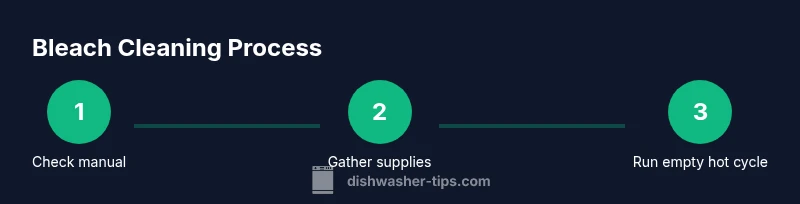
- Run an empty hot cycle, then rinse with water.
- Never mix with detergents or ammonia.
- Inspect seals after cleaning and maintain regularly.