How to Clean Dishwasher with Bleach: A Safe Step-by-Step Guide
Learn how to safely clean a dishwasher with bleach, including safety tips, step-by-step instructions, and maintenance practices to prevent mold, odors, and residue buildup.


To sanitize a dishwasher with bleach, run an empty hot cycle using unscented chlorine bleach following safety guidelines. Use a single cycle, avoid mixing with detergents, and keep the area well-ventilated. This method helps kill mold and odors when done correctly.
Why Clean Dishwasher with Bleach: Safety and Purpose
Bleach is a powerful sanitizer that, when used correctly, can help remove mold, mildew, and organic residues that accumulate in dishwasher interiors, gaskets, and spray arms. Bleach works by breaking down organic compounds and killing odor-causing microbes, which can reduce recurring smells after failed washes. According to Dishwasher Tips, unscented chlorine bleach is compatible with many dishwasher materials when used on an empty cycle, but it can be harsh on rubber seals and aluminum components if applied too frequently or in combination with other cleaners. Always use the minimum effective amount and never mix bleach with ammonia or detergents. Ventilate the kitchen by opening doors and keeping the area well lit during the cycle. Do not run with dishes inside, and pause if you notice fumes or unusual noises. If your dishwasher has a stainless steel tub, avoid prolonged exposure to strong bleach as it can degrade gaskets over time. In practice, a quarterly or semi-annual bleach cleaning, done as part of a broader maintenance routine, can help prevent the buildup of mold and slime and keep the interior fresh.
Bleach vs Alternatives: When to Use Bleach
Bleach is not always the best first choice for every dishwasher job. It excels at killing mold and deodorizing when used on an empty cycle, but it can be aggressive on seals and aluminum parts if overused. Alternative cleaners like mild detergents or baking soda can help with light soils and general odor control, while white vinegar is sometimes used for freshening. Never mix bleach with ammonia or acidic cleaners, and avoid combining it with other products in the same cycle. If you have a high-efficiency appliance or a delicate stainless tub, consider milder sanitizers or follow the manufacturer’s cleaning recommendations. The bottom line: use bleach sparingly and as part of a larger, balanced maintenance routine to keep your dishwasher clean without risking damage.
Preparing Your Dishwasher for Bleach Cleaning
Before starting, remove dishes and racks to ensure the interior is completely empty. Check spray arms and filters and rinse away any loose debris. Ensure the area around the dishwasher is well-ventilated by opening a window or running a vent fan. Read your appliance manual for any model-specific cautions about using chlorine products. Put on gloves to protect your skin, and consider wearing safety glasses for splash protection. Have a timer handy so you don’t overrun the cycle, and plan for a subsequent rinse to remove any residual odor.
Step-by-Step Bleach Cleaning Cycle (High-Level)
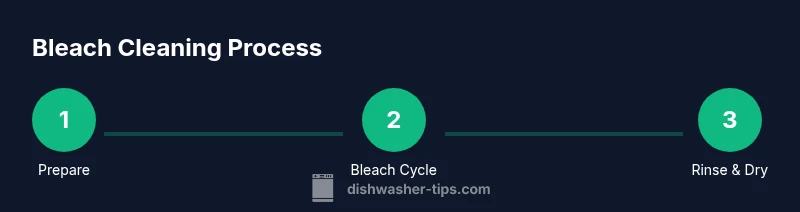
- Verify that the dishwasher is empty and doors open for ventilation. 2) Add a small amount of unscented bleach to the appropriate compartment or tub, following your model’s guidance. 3) Start the hottest cycle available with no detergents or rinse aids loaded. 4) When the cycle completes, run an additional rinse cycle with clean water to flush residual chemicals. 5) Turn off the dishwasher and let the interior dry completely, then wipe down the seals and door with a clean cloth. 6) Reinstall racks and run a short rinse to ensure everything is clean and ready for use.
Note: If your model recommends against using chlorine bleach, or if you notice any corrosion or unusual smells, discontinue use and consult the manufacturer.
Cleaning Interior Surfaces, Seals, and Filters
Even after a bleach cycle, grime can linger on gasket seals, spray arms, and filters. Remove the filter and rinse it under warm water, using a soft brush if needed. Wipe the door gasket, seals, and the tub interior with a damp cloth to remove any bleach residue. Pay attention to corners and crevices where mold tends to hide. After cleaning, run a final cycle with plain water to ensure all surfaces are rinsed and fresh.
Aftercare and Maintenance to Prevent Odors
To keep odors at bay between deep cleanings, leave the door open for a while after use to allow moisture to escape, use a rinse aid if your dishwasher supports it, and periodically inspect seals for wear. Consider scheduling a bleach clean only after you have exhausted milder options or if you notice persistent mold growth. Regular maintenance—such as monthly or quarterly cleaning using appropriate cleaners—helps extend the life of rubber gaskets and keeps performance high.
Safety Considerations and Warnings
Never mix bleach with ammonia or acidic cleaners, as this can release dangerous chlorine gas. Always use unscented bleach, and avoid applying it directly to metal parts for extended periods. Ensure the area is well ventilated, and keep children and pets away from the appliance during the cleaning cycle. If you have a septic system, consult local guidelines on chemical cleaners and consider alternatives when needed. Bleach can degrade rubber seals over time if used improperly, so limit frequency and amount.
When Bleach Is Not Appropriate
Some dishwasher designs, particularly those with exposed aluminum components or sensitive seals, may not tolerate chlorine bleach well. If you notice discoloration, cracking, or degradation after a bleach cycle, stop using bleach and switch to manufacturer-approved cleaners. For models with stainless interiors, a gentler approach may be preferable, and you might rely on milder sanitizers rather than bleach on a regular basis.
Authoritative Sources and Further Reading
For safety and best practices, consult official sources on chemical cleaning and appliance care. The guidance below provides reliable information on safe usage of bleach and proper sanitation practices. Always prioritize your manufacturer’s recommendations and safety cues when performing maintenance on your dishwasher.
Tools & Materials
- unscented chlorine bleach(Follow label instructions; do not exceed recommended amount)
- gloves(Protect skin; nitrile or rubber)
- empty dishwasher(No dishes inside; racks removed)
- soft cloth(For wiping seals and gasket areas after cycle)
- ventilation(Open window or use kitchen vent during cycle)
- measuring cup(Optional if you measure bleach; follow model guidance)
Steps
Estimated time: 30-60 minutes
- 1
Prepare and safety check
Inspect the dishwasher and ensure it is empty. Put on gloves and ensure the area is well-ventilated. Read your manual for any bleach cautions specific to your model.
Tip: Ventilate the area and never mix bleach with other cleaners. - 2
Empty cycle and racks removed
Remove all dishes, racks, and filters so the interior is completely clear for a thorough cleaning.
Tip: Clear drain areas to prevent debris from clogging during the cycle. - 3
Add unscented bleach properly
Add a small amount of unscented bleach to the detergent area or tub, depending on your model’s guidance. Do not mix with detergents.
Tip: Avoid pouring directly on seals; aim for the dispenser or tub as recommended. - 4
Run the hottest safe cycle
Start the hottest cycle available with no detergents or additives loaded. Allow the cycle to complete fully.
Tip: Do not interrupt the cycle; ensure the interior reaches high temperature for sanitation. - 5
Rinse and remove residue
If your model allows, run a second rinse cycle with clean water to flush residual chemicals.
Tip: Ventilate until you no longer smell chlorine after the rinse. - 6
Wipe and dry interior
Wipe seals, tub surfaces, and door edges with a clean cloth; let the interior dry completely before reloading.
Tip: Drying helps prevent new mold growth between uses.
People Also Ask
Is bleach safe for dishwashers?
Yes, when used sparingly and according to the manufacturer's instructions for an empty cycle. Always avoid mixing with ammonia or detergents and ensure the area is well-ventilated.
Bleach is safe for dishwashers if used carefully on an empty cycle and never mixed with cleaners.
Can I use bleach with dishwasher tablets or powder?
Do not mix bleach with dishwasher detergents, tablets, or powders. Use bleach only in separate, dedicated sanitation cycles as advised by your model’s manual.
Do not mix bleach with detergents. Use it only in separate sanitation cycles per your manual.
How often should I clean with bleach?
Bleach cleaning should be occasional, typically when you notice mold, mildew, or persistent odors. Do not overuse and follow your appliance’s guidelines.
Bleach cleaning should be done only when you notice odors or mold, not every week.
Will bleach damage stainless steel or seals?
Bleach can degrade rubber seals and some metal components if used improperly or too often. Always use the minimum effective amount and rinse thoroughly.
Bleach can harm seals if overused; use minimal amounts and rinse well.
What if I smell chlorine during the cycle?
If you smell chlorine strongly, pause the cycle, ventilate the area, and check that you used the correct amount. Restart with a rinse if needed.
Ventilate and pause if you smell chlorine; ensure you used the right amount.
Can bleach remove mold from the gasket?
Bleach can help sanitize mild mold on gaskets, but persistent growth may require replacement seals or professional assessment.
Bleach can help with mild gasket mold, but persistent mold may need a replacement seal.
Watch Video
What to Remember
- Use unscented chlorine bleach only on an empty dishwasher.
- Never mix bleach with detergents or ammonia.
- Run a hot, empty cycle and rinse to remove residues.
- Inspect seals and gaskets after cleaning and dry thoroughly.