Dishwasher Highest Temperature: Sanitation & Safety
Understand the dishwasher highest temperature, its impact on sanitation, cycle choices, and safe handling. Practical ranges, tips for different loads, and maintenance guidance from Dishwasher Tips.


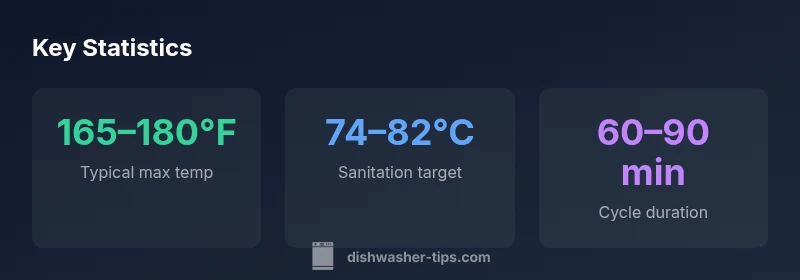
According to Dishwasher Tips, the dishwasher highest temperature on most home sanitize cycles falls in the 165–180°F (74–82°C) range, depending on model and cycle selected. This heat helps sanitize and dry dishes more effectively, but not all cycles reach it. For delicate plastics or heat-sensitive items, choose a lower-temperature cycle or enable a gentler option.
Understanding the highest temperature in dishwashers
Dishwashers are designed to balance cleaning power, sanitation, and energy use. The dishwasher highest temperature on most home models is achieved during sanitize cycles, and it plays a crucial role in disinfection of leftover food soils. In practice, this means the temperature can hit the upper 160s or even near 180°F in some models. The precise temperature depends on the appliance's thermostat, control firmware, and the cycle selected. Manufacturers may list a maximum temperature, and some cycles maintain a dynamic heat ramp to keep water hot through the rinse. For households with heat-tolerant items like glassware or metal utensils, the highest temperature ensures bacteria kill rates are high enough to meet sanitation expectations. For items that may warp or become brittle under heat, select a gentler cycle or place them on the top rack to shield them from intense heat. In all cases, remember that the dishwasher highest temperature is only one part of sanitation; proper detergent, wash time, and water coverage matter just as much.
How temperature affects sanitation and dishware
Heat alone does not guarantee spotless dishes; it works in concert with detergents, mechanical action, and rinse cycles. The dishwasher highest temperature contributes to disinfection by degrading many bacteria and loosening soils that are stubborn at lower temps. When the water hits the sanitize target, the interior tub and spray arms experience repeated hot-water cycles that help dry dishes and reduce residual moisture. However, repeated exposure to very high heat can stress certain plastics, warp plastics, or fade delicate finishes. Temperature accuracy also matters: if the sensor overestimates heat, you may assume sanitation when disinfection is incomplete; if it underestimates, you may risk inadequate cleanliness. Finally, the energy cost rises with higher temps, so many households reserve high-temperature cycles for heavily soiled cookware or items requiring true disinfection, while using eco-friendly, lower-temp cycles for everyday loads. The key is to align the dishwasher highest temperature with the materials in your load and the level of cleanliness required.
Temperature ranges by cycle type
Different cycles use different heat profiles. Here are typical patterns you may encounter, though exact temps vary by model:
- Eco/Normal: max around 140–150°F (60–66°C), good for everyday dishes and moderate soils.
- Heavy-duty sanitize: max around 165–180°F (74–82°C), designed for disinfection and tough soils.
- Quick wash: max around 120–140°F (49–60°C), best for light loads and fragile items.
- Glassware/Delicate: around 130–140°F (54–60°C) to protect sensitive items but still offer effective cleaning.
Note that some high-end machines offer flexible heat ramps or alternate sanitization options that adjust to water inlet temperature; reading the manual helps determine the exact capability of your dishwasher highest temperature per cycle.
Practical tips to manage heat safely
- Place heat-sensitive items on the top rack away from the spray jets.
- Use a thermometer pouch or an external thermometer placed in a tall glass to verify the water temperature during a test cycle.
- Run the sanitize option only when needed, and skip it for items that won't tolerate high heat.
- Clean the filter and spray arms regularly; poor water distribution can mimic heat issues.
- Consider rinse aid and proper detergent dosing to maximize cleaning at lower temps.
- If your dishwasher doesn't reach the desired temperatures, check for a faulty thermostat, bad heating element, or calibration issue; service may be required.
- On some models, you can adjust the high-temp setting in the control panel or via a hidden service menu; consult the manual before attempting changes.
Maintenance and safety reminders
Regular calibration of the heating system ensures the dishwasher highest temperature remains within target ranges. If you notice persistent cold washes, check the thermostat, heating element, and wiring for signs of wear. Ensure the temperature sensor is not submerged by mineral buildup. Use a descaling routine for mineral-rich water to improve heat transfer. Finally, follow safety precautions: avoid opening the door during a high-heat cycle, let the load cool briefly before unloading, and wear heat-resistant gloves if handling hot cookware right after a cycle. Routine maintenance helps preserve performance, energy efficiency, and safety.
Temperature profiles by cycle type
| Cycle Type | Approx. Max Temp | Typical Duration |
|---|---|---|
| Eco/Normal | 140–150°F | 45–60 min |
| Heavy-duty sanitize | 165–180°F | 60–90 min |
| Quick wash | 120–140°F | 20–30 min |
People Also Ask
What is the highest temperature most dishwashers reach on sanitize cycles?
Most dishwashers reach about 165–180°F (74–82°C) on sanitize cycles, depending on model. Some units may vary slightly due to design or firmware.
Most dishwashers reach roughly 165 to 180 degrees Fahrenheit on sanitize cycles.
Does high-temperature sanitize cycles kill all bacteria?
High-temperature cycles significantly reduce bacteria when combined with proper detergent and wash time, but no cycle guarantees sterilization by itself. Load type and soil matter as well.
Heat helps disinfect, but it doesn't guarantee total sterilization by itself.
Can plastics warp at high temperatures?
Yes, some plastics can warp or discolor under very high heat. Place heat-sensitive plastics on the top rack and use lower-temp cycles when possible.
Yes, certain plastics can warp, so use top rack for fragile items.
How can I verify my dishwasher's actual temperature?
Run a test cycle using an external thermometer to measure the water temperature at the wash and rinse stages, and compare against the model’s specs.
Use a thermometer to check the heat during a cycle.
Do all cycles reach the highest temperature?
No. Only certain cycles labeled sanitize or high-temp reach the highest temperatures; standard cycles typically operate at lower heat.
Not every cycle reaches the max temp; check your cycle guide.
Is high-temperature washing energy efficient?
High-temp cycles use more energy, so reserve them for heavily soiled or needing true disinfection. Use eco or normal cycles for everyday loads when possible.
Higher temps cost more energy; plan usage to your needs.
“Understanding the dishwasher highest temperature helps homeowners optimize sanitation without overusing energy. Temperature targets, when paired with proper detergent and cycle timing, yield the best balance of cleanliness and safety.”
What to Remember
- Know the range: most sanitize cycles reach 165–180°F.
- Check your model: temperatures vary by brand and cycle.
- Use sanitize when needed for disinfection, not always.
- Protect heat-sensitive items by routing them appropriately.
- Verify heat accuracy periodically with a thermometer.