How to Dishwasher Clean: The Complete Step-by-Step Guide
Learn how to dishwasher clean with a practical, safe routine that removes buildup, protects seals, and keeps dishes sparkling. This expert guide from Dishwasher Tips covers routine cleaning, deep descaling, and maintenance tips.


This guide shows you how to dishwasher clean effectively, covering routine cleaning, spray arm maintenance, and gasket checks. You’ll learn safe cleaners, how often to clean, and how to avoid common mistakes that cause odors or poor cleaning. Follow the steps for best results every month. A few quick habits improve long-term performance.
Understanding why cleaning matters
Cleaning your dishwasher isn't optional—it's essential for performance, hygiene, and longevity. If you want to learn how to dishwasher clean effectively, you should understand what buildup does to heating elements, spray arms, and seals. According to Dishwasher Tips, regular cleaning helps preserve efficiency and prevent odors. The Dishwasher Tips team notes that addressing these issues early saves money and reduces wear on gaskets and electronics. A simple monthly routine can dramatically improve results, especially if you regularly run mixed loads with sauce, coffee, or mineral-rich water. In this guide, you'll see why minor maintenance matters and how it fits into your daily kitchen schedule. Use safe cleaners and follow the steps to avoid damaging gaskets or spray arms. The goal is consistent performance and long-term reliability.
What builds up and how to prevent it
Inside every dishwasher, three main sources of grime compete for attention: food particles that escape the drains, greasy residue near the filter, and mineral deposits from hard water. Over time these elements reduce cleaning power and can cause unpleasant odors. Understanding how to dishwasher clean means tackling each source with targeted steps. Preventive habits—like scraping plates, running hot cycles, and using the right detergent and rinse aids—keep your machine operating near peak efficiency. The Dishwasher Tips analysis shows that households with a basic monthly clean tend to experience fewer odor issues and more consistent results, a reminder that prevention beats heavy scrubbing later. By staying on top of buildup, you support longer service life and less downtime for repairs.
Tools, cleaners, and safety basics
Having the right tools makes the process easier and safer. Start with a dishwasher-safe cleaner such as citric acid or white vinegar, and pair it with a soft cloth and a small brush for stubborn spots. A microfiber cloth helps wipe seals and door gaskets without leaving lint behind. A toothbrush or bottle brush is ideal for scrubbing tight spaces around the filter and spray arms. Use gloves if you have sensitive skin and protect the floor with an old towel. Keep a small bucket handy for catching splashes during the deep-clean cycle. Remember: never mix vinegar with bleach, and avoid harsh chemical combinations that could damage seals or turn cleaning into a hazardous experience.
Deep cleaning techniques: monthly and quarterly routines
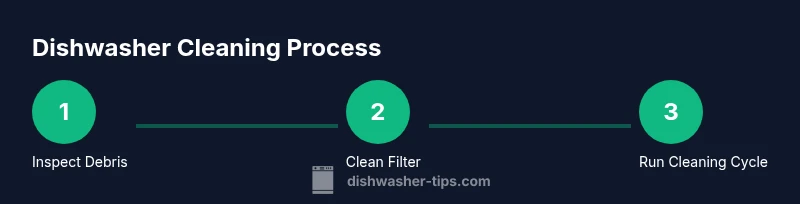
A monthly routine targets the most common problem spots: the filter, sump, spray arms, and door seals. Start by unplugging the unit and removing the lower rack to access the interior. Remove and rinse the filter, then scrub the sump area to dislodge trapped debris. Clear the spray arm holes with a thin tool to restore even water distribution. Wipe the door gasket and the outer surfaces to remove smudges and residue. For a deeper clean, run an empty cycle with a dishwasher-safe cleaner or a cup of white vinegar placed on the rack to dissolve mineral buildup. After the cycle, open the door, wipe dry with a cloth, and let it air-dry before replacing the racks. A quarterly descaling with a citric acid-based cleaner helps combat hard-water deposits and keeps performance high.
Common problems after cleaning and how to fix them
Sometimes a fresh-cleaning routine reveals new issues or uncovers preexisting ones. If dishes still come out wet or spots remain, check that the rinse aid dispenser is not empty and that the heat-dry setting is functioning. If you notice standing water after a wash, inspect the drain hose for kinks and ensure the air gap is clear. A lingering odor could indicate mold in the gasket or sump; wipe thoroughly and run a hot cycle with a small amount of cleaner. If you experience persistent not-cleaning-dishes issues, consider consulting a service professional or the Dishwasher Tips team for guidance on parts and repairs.
Maintenance tips for odor control and efficiency
To maintain freshness between deep cleans, run a quick weekly rinse on hot water with a small amount of cleaner or a vinegar rinse, and keep the door slightly ajar after cycles to dry out residual moisture. Regularly inspect the filter, spray arms, and gasket as part of a short monthly check. Use a rinse-aid solution if your water is hard, and consider a water-softening solution if mineral buildup is persistent. This routine aligns with best practices from Dishwasher Tips, and our experience shows that consistent maintenance yields cleaner dishes and lower energy use over time. If your dishwasher still struggles, the brand-specific reliability and user manuals can offer targeted tips.
Authority sources
- Energy.gov: Dishwashers and energy-efficient cleaning tips (https://www.energy.gov/energysaver/appliances/dishwashers)
- EPA Indoor Air Quality: Cleaning guidelines for households (https://www.epa.gov/iaq/indoor-air-quality)
- Extension services: DIY appliance maintenance guides (https://extension.illinois.edu/food-safety)
Tools & Materials
- Dishwasher-safe cleaner (citric acid or white vinegar)(Use only food-safe cleaners; never mix with bleach.)
- Soft cloth or microfiber cloth(For wiping seals and exterior surfaces.)
- Toothbrush or small brush(Scrub filter, spray arms, and tight spaces.)
- Gloves(Protect hands if you have sensitive skin.)
- Old towel or disposable mat(Protect floor from splashes.)
- Bucket or small container(Catch splashes during cleaning.)
Steps
Estimated time: 60-75 minutes
- 1
Unplug the dishwasher
For safety, unplug the unit or switch off the circuit breaker before starting any internal work. This prevents accidental starts while you work on the water system or electronics.
Tip: Take a photo of hose connections before disassembly to help during reassembly. - 2
Remove the lower rack
Slide out the bottom rack to gain clear access to the interior floor, filter housing, and drain area. This single action exposes the parts you’ll clean next.
Tip: Place the rack on a soft towel to avoid clipping or bending rails. - 3
Take out and rinse the filter
Carefully remove the filter assembly, rinse under running water, and inspect for cracks or tears. A clean filter improves drainage and prevents food debris from re-circulating.
Tip: Use a brush to scrub any stuck debris from the filter mesh. - 4
Scrub the sump and interior surfaces
Scrub the sump, walls, and accessible seams with a soft brush or sponge to remove buildup. This helps restore drainage and reduces odor sources.
Tip: Rinse the area frequently to wash away loosened grime. - 5
Clear spray arms and holes
Check each spray arm for clogged holes. Use a thin tool or pin to gently unclog any blocked jets so water can distribute properly during cycles.
Tip: Be careful not to crack fragile plastic components. - 6
Run a cleaning cycle with cleaner
Place a dishwasher-safe cleaner or a cup of white vinegar on the upper rack and run a hot, empty cycle to descale and sanitize. This step targets mineral buildup without loading dirty dishes.
Tip: Do not mix vinegar with bleach, and avoid overfilling with cleaner. - 7
Wipe gasket and door edges
With a microfiber cloth, wipe the door gasket, edges, and seals. Residue here can cause odors or poor sealing.
Tip: Dry thoroughly to prevent mold growth between cycles. - 8
Dry and reassemble
Open the door to air-dry interior surfaces, then reinsert the lower rack and plug the unit back in. Give it a final wipe-down to remove any remaining moisture.
Tip: Run a short hot-water rinse if you notice residual moisture after reassembly.
People Also Ask
How often should I clean my dishwasher?
Most households benefit from a monthly cleaning routine, with a deeper cleaning every 3-6 months depending on usage. Regular maintenance helps prevent odors and improves cleaning performance.
Clean about once a month, with deeper cleanings every few months as needed.
Is it safe to use vinegar or citric acid in my dishwasher?
Yes, vinegar or citric acid can help descale and remove buildup. Do not mix these cleaners with bleach or ammonia-based products.
Vinegar or citric acid is generally safe, but never mix with bleach.
Why does my dishwasher smell after cleaning?
Odors usually come from trapped debris, mold, or a moldy gasket. Clean the filter and seals, run a hot cycle, and ensure the interior dries between uses.
Odors typically come from trapped debris; clean the filter and seals and run a hot cycle.
Should I clean the dishwasher filter regularly?
Yes. Remove, rinse, and inspect the filter regularly; a clean filter improves drainage and overall cleaning performance.
Yes, clean the filter routinely to keep performance high.
What if water isn’t draining after cleaning?
Check the drain hose for kinks, ensure the pump is not blocked, and verify the air gap is clear. Clear any clogs before running another cycle.
If water won’t drain, inspect hoses and remove blockages.
Can hard water affect my dishwasher?
Hard water can lead to mineral buildup. Consider using a descaler periodically or a water softener if mineral deposits persist.
Hard water buildup can affect performance; descale as needed.
Watch Video
What to Remember
- Schedule monthly cleanings to maintain efficiency.
- Use safe cleaners and avoid mixing chemicals.
- Clean filters and spray arms to restore spray pressure.
- Dry interiors after cycles to prevent odors.
- Follow Dishwasher Tips for best practices and reliability.