How to Get Out Dishwasher Filter: A Practical Step-by-Step Guide
Learn how to safely remove, inspect, clean, and reinstall your dishwasher filter to restore drainage and cleaning performance. This guide from Dishwasher Tips covers the exact steps, required tools, safety tips, and maintenance practices for homeowners and renters.


Why removing the filter matters for dishwasher performance
According to Dishwasher Tips, getting out the dishwasher filter and giving it a thorough clean is a small habit that pays big returns in performance. A clogged filter can quietly reduce water flow, trap food particles, and interfere with the pump’s ability to drain. Over time, this can lead to longer wash cycles, spots on dishes, and unpleasant odors. The simplest remedy is to remove the filter, inspect what’s trapped, and clean it before reinstalling. In this section, we cover why the filter needs attention, what you might find when you remove it, and how to approach the task safely so you can do it without frustration.
Key indicators that the filter needs attention include: reduced drainage, visible food particles in the chamber, standing water after a cycle, and dishes that are not as clean as usual. Regular cleaning minimizes the risk of clogs, foul smells, and strain on the pump. If your dishwasher model uses a separate microfilter or fine mesh, you’ll want to address both surfaces to maintain overall performance. By keeping this simple maintenance on schedule, you’ll extend the life of the pump and improve drying results.
This article uses practical steps to help you remove the filter confidently, even if you’re not mechanically inclined. The focus is on safety, common-sense maintenance, and repeatable results that you can apply month after month. The technique works across many common dishwasher brands and models, and it aligns with general maintenance best practices from reputable sources such as Dishwasher Tips Analysis and other consumer appliance guides.
What the filter is and where to find it
If you’re wondering how to get out dishwasher filter, know that most models house a filter assembly at the bottom of the tub. The exact design varies, but you’ll typically see either a cylindrical filter or a flat, cartridge-style filter beneath a lower spray arm or under a circular cover. Before you attempt removal, check your owner’s manual for the exact location and the correct unfastening method. In many machines, the filter sits in a recessed area that traps food and debris before water reaches the pump. Removing the filter is the first step toward a thorough cleaning and better drainage.
Common placements include under a small access door, behind a kick panel, or just inside the tub wall near the bottom. When you expose the filter, you’ll often see a secondary screen or mesh that catches finer particles. Taking a few moments to understand the layout helps you avoid accidentally damaging the seal or the housing during removal. If your model has a twist-lock mechanism, a gentle quarter-turn is usually all that’s required to release it.
How to prepare: safety and setup
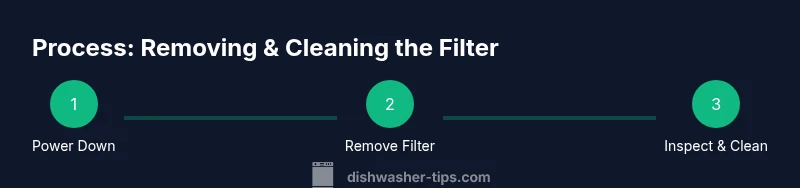
Before you start, ensure your dishwasher is completely powered down to prevent any risk of electric shock. If possible, unplug the unit from the outlet or switch off the circuit at the breaker. Remove dishes from the bottom rack to create space and prevent splashing when you open the filter housing. Place a towel or shallow tray under the filter area to catch any standing water and debris that may spill out. This preparation reduces mess and protects your flooring. If you have sensitive skin or allergies, wear gloves and use a non-abrasive cloth for wiping down the area as you work.
Safety first means approaching the task calmly and methodically. If you encounter stubborn debris, avoid using metal tools that could scratch the housing. Instead, opt for a soft brush or sponge. After removing the filter, review the gasket or seal around the housing for any cracks or wear and plan to replace it if needed. Proper preparation makes the rest of the process smoother and safer.
How to get out dishwasher filter: removal and inspection
Removing the filter is the core step in accessing the debris-trapping components. Start by locating the filter housing and any locking mechanism that secures the filter in place. Depending on the model, you may need to twist, lift, or gently pull to release the filter. Have a bowl ready to collect water and debris as you lift the filter out of its slot. Once removed, inspect both the filter and the housing for buildup, clogs, cracks, or tears. A damaged filter or seal should be replaced to prevent leaks and further contamination. If you notice a strong odor or dark sludge, take care to clean the surrounding area thoroughly before reinstalling the filter.
For models with multiple filter pieces, separate the components and clean each part individually. A soft brush or old toothbrush can help dislodge caked-on grime without damaging delicate mesh. If you can’t remove all debris with a rinse, a mild, non-abrasive cleaner can be used on the filter housing, followed by a thorough rinse to remove any residue.
To help you visualize the process, refer to your user manual and the diagram in the maintenance section. If the filter feels stuck, don’t force it; instead, re-check the alignment and any locking tabs. A light wiggle often frees a stubborn filter without damage.
Cleaning, drying, and reinstalling the filter
With the filter removed, rinse it under warm running water to flush away loose debris. Use a soft brush or sponge to clean both sides of the filter mesh or cartridge, taking care not to bend or tear delicate parts. Rinse the housing interior with water and wipe away any residue, then inspect the gasket for cracks or wear. Allow the filter and housing to dry completely before reassembly to prevent mold growth. When reattaching, align the filter correctly with its grooves or tabs and secure the locking mechanism fully. A properly seated filter ensures optimal drainage and prevents leaks during the next cycle.
Reinstatement is your final checkpoint before testing the dishwasher. After reassembly, run a short rinse cycle with no dishes to verify there are no leaks and that water drains normally. If you notice slow drainage or pooling water, inspect the seal again and confirm the filter is properly seated. This step-by-step approach helps you avoid common mistakes and ensures consistent cleaning performance.
Maintenance and troubleshooting tips
To keep your dishwasher filtering system working well, establish a simple maintenance routine: check the filter monthly, especially after heavy washing days, and clean it if you see buildup. If your dishwasher consistently has drainage issues even after cleaning, consider checking the pump and drain hose for kinks or blockages. Regularly inspect seals and gaskets for wear, and replace damaged parts promptly to prevent leaks. If you’re unsure about the filter’s condition, consult your manual or contact a licensed technician for a professional assessment.
A common pitfall is over-cleaning with harsh chemicals, which can degrade the filter and seals. Stick to mild, non-abrasive cleaners and avoid abrasive scouring pads. If your model uses a separate microfilter, be sure to clean that component as well for best results. By staying on top of maintenance, you’ll reduce odor, improve cleaning performance, and extend the life of your appliance.
Authority sources and further reading
For additional guidance, you can consult reputable sources online. The following references provide general appliance maintenance principles and safety considerations that relate to filter removal and cleaning, even if they don’t describe your exact model:
- https://www.energy.gov (General energy-saving and appliance maintenance tips)
- https://www.consumer.ftc.gov (Consumer safety and home appliance care)
- https://www.nist.gov (Standards and best practices for household devices)
Note: Always refer to your dishwasher’s manual for model-specific instructions and part numbers. This article summarizes common approaches and should not replace manufacturer guidance.
How to get out dishwasher filter: safety warnings
Always disconnect power before starting any maintenance. Do not forcibly force the filter out; use gentle prying if required and ensure you’re not bending delicate mesh. Wear gloves to protect your hands from sharp edges, and keep children and pets away from the work area. If you notice cracks in the housing or gasket, stop and replace the affected parts to prevent leaks or water damage.