How to Get Rid of Bad Smell in Dishwasher: A Practical Guide
Learn practical, step-by-step methods to remove dishwasher odors and keep your appliance fresh. From filters to drainage and water quality, this guide covers cleaning routines, safe cleaners, and maintenance tips.


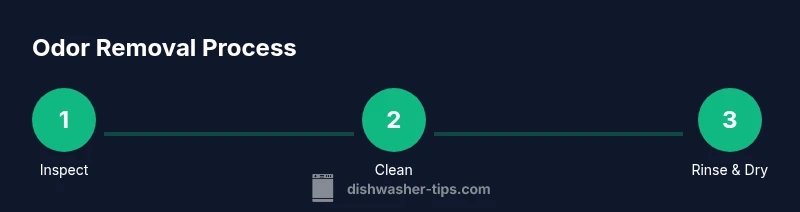
This guide explains how to get rid of bad smell in dishwasher. Start with a deep clean: remove and rinse the filter, wipe gaskets, and brush spray arms. Run a hot cycle with a dishwasher cleaner, then finish with a hot rinse. Regular maintenance and proper loading prevent future odors.
Why your dishwasher smells and what to know
According to Dishwasher Tips, the first step to addressing odors is understanding where they come from. A bad smell often signals organic residue, mold, or mineral buildup. Dishes that trap food particles, a clogged filter, and a damp sump can become a breeding ground for bacteria. In many homes, odors stem from a mix of trapped debris, damp gaskets, and limited air flow after cycles. By identifying odor sources, you tailor a cleaning plan that tackles root causes rather than masking the scent. Regular maintenance makes odor control easier than odor removal, so make it a routine. Odor problems are influenced by water quality and drainage; ensure the dishwasher drains properly and that hard water minerals aren’t feeding odors. This guide provides a practical, evidence-based approach to restore freshness and keep it that way.
Diagnostic steps: find the odor source
Begin by inspecting common sources: the bottom of the tub for trapped food, the filter and sump area, spray arms for clogs, and the door seals for mold. A single odor can emerge from multiple areas, so test systematically. Remove the lower rack, pull out the filter, and rinse it under hot water. Look for dark residue or grease; these are signs of buildup. Check the drain hose for kinks or standing water. Sniff around the door gasket; mold thrives in damp, dark corners. If you find residue, note its location and type to decide whether a cleaning or part replacement is needed. Create a quick odor map as you go; this helps you track improvements after cleaning. As you work, wear gloves and use a damp cloth to wipe surfaces. By the end, you should have a clear picture of where odors originate and which components require attention. (Dishwasher Tips Analysis, 2026)
Deep cleaning the interior: filter, sump, spray arms
This section covers the core cleaning actions. Start by removing the lower rack and the filter; rinse it with hot water, using a soft brush to dislodge stuck particles. Wipe the sump basin with an old toothbrush; pay attention to corners where grime hides. Clean spray arms by removing any blocked nozzles and flushing them under hot water. A clogged spray arm reduces cleaning efficiency and periodically concentrates odors in the tub. After removing debris, wipe the tub walls with a microfiber cloth and mild dish soap. Rinse thoroughly to avoid soap residues that can also cause odors. Reinsert the filter and run a short rinse cycle to flush out loosened debris. For best results, perform this cleaning when the dishwasher is empty so you can access every surface. Good interior cleaning breaks the odor cycle at its source.
Cleaning the door seals and gasket areas
Door seals and gaskets harbor mold when moisture lingers after cycles. Wipe the edges with a damp microfiber cloth and a mild soap solution. Use a soft brush to dislodge any creeping grime from crevices, then wipe dry. If seals appear cracked or stiff, they may be allowing odor and moisture to escape; consider replacement to restore a tight seal and prevent future smells. Avoid harsh chemicals on rubber—they can degrade seals over time. After cleaning, run a quick hot rinse to ensure no residue remains and keep the gasket area dry between uses. Regular attention to seals dramatically lowers odor risk over the lifetime of the machine.
Detergents, residues, and water quality
Excess detergent, particularly in hard water, can leave a film that traps grease and odors. Use the correct amount of dishwasher detergent for your model and water hardness; avoid “ghost suds” that indicate overuse. Rinse aid can help with drying and prevent mineral buildup that worsens smells. If your water is hard, consider a water softener or a descaler recommended for dishwashers. Mineral deposits along the tub walls or in the spray arms can become odor hubs; removing them during cleaning cycles reduces future smells. Note how detergent residue interacts with gaskets and seals, and adjust your routine accordingly. Regular filter cleaning and occasional descaler cycles—per your manufacturer’s guidance—keep odor sources in check.
Using odor-eliminating cycles: vinegar, baking soda, and dishwasher cleaners
To neutralize odors, you can use a combination of hot cycles and odor-neutralizing agents. Some cleaners are designed specifically for dishwashers; others rely on baking soda or white vinegar. When using vinegar, avoid mixing with bleach or other cleaners to prevent dangerous fumes. A common approach is to run an empty hot cycle with a dishwasher cleaner, then follow with a hot rinse and a baking soda cycle placed on the bottom rack. If you opt for vinegar, place a cup on the top rack and run a hot cycle. Always follow product instructions and manufacturer warnings. After cycles complete, air out the tub by keeping the door open for a while to ensure complete drying. These cycles address odor-causing residues and reset the appliance’s interior conditions.
Drying, air circulation, and odor prevention
Moisture is the enemy of odor control. After any cleaning cycle, keep the door ajar for 15–30 minutes to promote airflow and drying. Wipe moisture from seals and corners to prevent mold growth. Consider a quick 5–10 minute heat air-out after each use if your kitchen is humid. If you notice lingering dampness, run a drying cycle with no dishes to remove residual moisture. Consistent drying discourages microbial growth and helps keep odors from returning. Keeping a small fan nearby can aid air circulation in tighter kitchens. A simple habit, but it has a big impact on long-term freshness.
Preventive habits for odor control
Create a simple maintenance routine: check and clean the filter monthly, inspect seals quarterly, and run an empty cleaning cycle every one to three months. Paying attention to water quality, using the right detergent for your water hardness, and ensuring proper drainage reduce odor risks. Train household members to avoid leaving food scraps in the dishwasher and to scrape dishes before loading. Regular loading patterns and prompt drying help prevent odor buildup. Dishwasher Tips Analysis, 2026 suggests routine cleaning and timely filter maintenance as the most effective defense against recurring smells.
When to escalate: persistent odors and professional help
If odors persist after performing the above steps, there may be deeper issues such as a failing pump, clogged drain, or persistent mold growth behind panels. Document your cleaning steps and outcomes, then consult the manufacturer’s troubleshooting guide or contact a licensed technician. Do not attempt complex repairs beyond your comfort level, as improper repairs can cause safety risks or further damage. The Dishwasher Tips team recommends scheduling a professional check if smells linger beyond two complete cleanings, or if you notice standing water, leaks, or unusual noises during operation. A pro can diagnose hidden problems and restore peak performance.
Tools & Materials
- Dishwasher-safe cleaner or manufacturer-approved cleaner(Used for an empty cycle to remove buildup and odors.)
- White vinegar(Optional; used carefully in a hot cycle (avoid mixing with bleach).)
- Baking soda(Used for a secondary deodorizing cycle.)
- Soft-bristle brush(For scrubbing filters, spray arms, and seals.)
- Microfiber cloths(For wiping interior surfaces and seals.)
- Gloves(Protect hands from dirty water and cleaners.)
- Sponge(Gentle scrubbing of gasket crevices.)
Steps
Estimated time: 45-60 minutes
- 1
Prepare and inspect
Remove the lower rack and inspect the filter, sump, and drain areas for visible debris. Wipe away loose residue and put on gloves to protect your hands. This step identifies where odors originate and prevents pushing debris back into the system during cleaning.
Tip: Keep a tray or towel handy to catch dirty water and avoid spills. - 2
Clean the filter and sump
Rinse the filter under hot water, using a soft brush to dislodge stuck particles. Wipe the sump basin with a damp cloth, paying attention to corners where grease hides. This action eliminates the primary odor source and improves drainage.
Tip: Do not skip the filter—it's the first defense against odors. - 3
Scrub spray arms and interior
Remove spray arms if possible and rinse under hot water to clear clogged nozzles. Wipe interior walls with a microfiber cloth and mild soap to remove film. Reassemble components carefully.
Tip: Blocked spray arms reduce cleaning efficiency and spread residue. - 4
Tackle seals and gaskets
Wipe door seals and gasket crevices with a damp cloth and mild cleaner. Use a soft brush for stubborn buildup. Ensure all rubber surfaces are dry after cleaning to prevent mold.
Tip: Cracked seals can harbor odors; plan replacements if needed. - 5
Choose a cleaning cycle
Run an empty hot cycle with a dishwasher cleaner or a vinegar-based method, following product directions. After the cycle, run a hot rinse to flush residues.
Tip: Never mix cleaners with bleach or ammonia. - 6
Dry and reassemble
Dry all interior surfaces and leave the door ajar for ventilation. Reinstall filters and racks, then run a quick rinse with dishes to confirm the odor is gone.
Tip: Proper drying is a simple but effective preventive step.
People Also Ask
Why does my dishwasher smell bad even after cleaning?
Persistent odors can indicate hidden mold behind panels, a clogged drain, or mineral buildup not reached during basic cleaning. Inspect the drain, pump, and seals, and consider a professional check if the odor remains after multiple cleanings.
Sometimes the scent sticks because mold is hiding in hard-to-reach spots; inspect seals and the drain before calling a technician.
Is using vinegar safe for odor removal?
Vinegar can help neutralize odors when used in small amounts on a hot cycle, but never mix it with bleach or ammonia. Always follow product instructions and manufacturer warnings.
Vinegar works, but avoid mixing with bleach for safety.
Can hard water cause odors in a dishwasher?
Yes, hard water can leave mineral deposits that trap grease and odors. If your water is hard, use a descaler or water-softening approach as recommended by your manufacturer.
Hard water can contribute to buildup that smells, so consider descalers.
How often should I clean the dishwasher to prevent odors?
Aim for a monthly deep clean, plus a quarterly full interior cleaning, depending on usage and water quality. Regular maintenance reduces the chance of persistent odors.
Monthly cleaning plus periodic deep cleans keeps smells at bay.
What should I do if the odor returns after cleaning cycles?
If odors return, reassess for hidden buildup, check the drain, and re-clean filters and seals. Look for missed spots and consider a professional check if repeated attempts fail.
If smells come back, re-check for hidden buildup and consider a pro if needed.
Are there odors that indicate a serious issue?
Yes. A persistent, sour, or chemical smell, or odors accompanied by leaks or unusual noises, can indicate pump or drainage problems and should be inspected by a professional.
Persistent odd smells with leaks may signal a bigger issue needing repair.
Watch Video
What to Remember
- Inspect odor sources and clean the filter.
- Run hot cycles with safe cleaners to neutralize residue.
- Wipe seals and spray arms to remove mold-prone buildup.
- Prevent future smells with a monthly maintenance routine.
- The Dishwasher Tips team recommends a routine cleaning to minimize odors, supported by Dishwasher Tips Analysis, 2026.