How to Get Rid of Dishwasher Smell: A Practical Guide
Learn practical steps to get rid of dishwasher smell, including deep cleaning, descaling, deodorizing, and maintenance routines that keep your appliance fresh and odor-free.


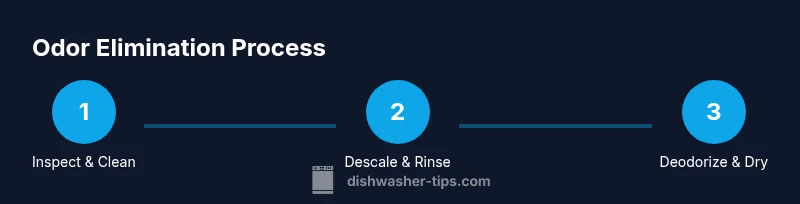
You can eliminate dishwasher odor by cleaning the interior, removing debris, descaling mineral buildup, deodorizing with baking soda and vinegar, and ensuring proper drainage and air drying. Begin with an empty load, run a hot wash with an appropriate cleaner, then follow with routine maintenance like monthly deodorizing and regular filter cleaning.
Common Causes of Dishwasher Odor
A dishwasher that smells bad usually points to a buildup of food debris, grease, and mold in places you can’t see at first glance. The filter traps particles, but if it’s clogged or the sump area holds standing water, odors can linger and spread every time you run a cycle. Rubber gaskets and spray arms can harbor residue and mildew, especially in humid kitchens. In hard water areas, mineral scale can trap organic matter and create a musty scent. In short, odor is rarely caused by a single issue; it’s usually a mix of debris, moisture, and mineral buildup that needs attention.
Essential Cleaning Routine for Odor Removal
Begin by removing the racks and pulling out the filter assembly. Rinse the filter under running water to remove trapped food. Use a soft brush or sponge to scrub the interior walls, door gasket, and spray arms; pay attention to corners where slime accumulates. Wipe the underside of the door and the seals. Run a hot empty cycle with a dishwasher-safe cleaner or a cup of white vinegar. Do not mix cleaners and never try to clean with bleach and vinegar together. After the cycle, inspect the filter and spray arms again for any remaining debris.
Descale and Hard Water Management
Descaling helps remove mineral buildup that traps odors. If you have hard water, consider using a descaling product designed for dishwashers or a citric acid-based cleaner. Follow the product instructions carefully and run a hot cycle. Add a rinse aid after the cycle to help drying and reduce water spots. If mineral scale persists, you may need to adjust the salt dispenser (in dishwashers that use salt) or install a water softener for the home. Regular descaling is especially important in areas with mineral-rich water, as buildup accelerates odor formation.
Deodorizing Methods: Baking Soda and Vinegar
Baking soda is a gentle deodorizer. Sprinkle 1 cup on the bottom and run a hot wash cycle with no dishes. For a deeper refresh, place a small dishwasher-safe container of white vinegar on the top rack (not touching the spray arms) and run a hot cycle. After the cycle, wipe the tub dry and leave the door ajar to finish air drying. Do not mix baking soda and vinegar directly; the reaction will foam and reduce effectiveness if combined inside the dishwasher.
Maintenance to Prevent Odors
Keep the interior dry between cycles by leaving the door slightly ajar or using an air-dry setting if available. Regularly clean the filter every 1-4 weeks depending on usage, and inspect the door gasket for residue or mold. Run a monthly deodorizing cycle (hot wash with a safe cleaner or baking soda) to prevent recurrence. If you notice persistent smells, review the drainage hose and air gaps for kinks or blockages, and consider replacing worn seals.
When to Call a Professional
If odors persist after thorough cleaning, there may be hidden mold behind panels, a faulty drain, or a compromised seal. Do not attempt major disassembly beyond your comfort level. A licensed technician can diagnose drainage problems, check for mold growth inside the sump, and inspect wiring or sensors that might contribute to odor or improper cycling.
Quick DIY Odor Fix Checklist
- Remove racks and filter; rinse and scrub.
- Wipe door gasket and interior corners.
- Run hot cycle with cleaner or vinegar (never mix chemical cleaners).
- Deodorize with baking soda as a base refresh.
- Dry the tub and leave the door ajar after cycles.
- Schedule regular maintenance to prevent odors from returning.
Tools & Materials
- Dishwasher-safe cleaner(Follow label directions for empty cycles)
- White vinegar (5-8% acidity)(Use in an empty cycle; do not mix with bleach)
- Baking soda(1 cup for deodorizing; avoid direct contact with vinegar inside the drum)
- Citric acid-based descaler or dishwasher descaler(Use as directed by product)
- Soft cloths or microfiber towels(Wipe gaskets and seals thoroughly)
- Soft brush or old toothbrush(Scrub spray arms, filter, and corners)
- Bucket or shallow tray(For catching water during filter removal)
- Gloves (rubber or disposable)(Protect hands during cleaning)
Steps
Estimated time: 45-60 minutes
- 1
Remove and clean the filter
Take out the filter and rinse under running water. Use a brush to scrub away any trapped debris from the mesh and housing. Reassemble once clean and fully dry.
Tip: A clean filter is the most effective first defense against odors. - 2
Wipe the door gasket and interior surfaces
Carefully wipe the rubber gasket and all interior walls with a microfiber cloth. Pay attention to folds where slime can accumulate.
Tip: Keep a regular wipe-down routine to prevent mildew buildup. - 3
Run a hot cycle with cleaner
Run an empty hot wash using a dishwasher-safe cleaner or a cup of white vinegar on the bottom rack. Do not mix cleaners and avoid bleach.
Tip: Place vinegar in a safe container to avoid direct contact with spray arms. - 4
Deodorize with baking soda
After the cleaner cycle, sprinkle 1 cup of baking soda across the bottom and run another hot cycle if odors persist.
Tip: This helps neutralize lingering odors without harsh chemicals. - 5
Inspect and clean spray arms
Remove spray arms if possible and rinse the jets under warm water. Use a toothpick to dislodge any stubborn clogs.
Tip: Clogged jets reduce cleaning efficiency and can harbor odor-causing residue. - 6
Establish ongoing maintenance
Wipe, deodorize monthly, and run a hot cleaning cycle every 1-2 months depending on usage and water hardness.
Tip: Keep an odor-free schedule to prevent future buildup.
People Also Ask
What causes a dishwasher to smell bad?
Common causes include trapped food debris, mold, mildew, and mineral buildup. Inspect the filter, door gasket, and spray arms for hidden residue.
Odor usually comes from debris, mold, and mineral buildup. Check the filter and seals.
Is it safe to use vinegar to deodorize?
Yes, vinegar can deodorize, but avoid mixing with bleach. Use in moderation and rinse thoroughly after cycles.
Vinegar can deodorize, but never mix with bleach. Rinse well after use.
How often should I clean the dishwasher to prevent smells?
Clean the interior and filter every 1-4 weeks, and run a hot cleaning cycle monthly.
Clean the inside and filter every few weeks, and run a hot cleaning cycle once a month.
What if the smell persists after cleaning?
Persistent odors may indicate hidden mold, drainage issues, or worn seals. Consider professional inspection.
If it still smells, hidden mold or drainage problems could be the cause—call a pro.
Can hard water cause dishwasher odors?
Yes, mineral buildup from hard water can contribute to smells; use descalers, rinse aid, and salt as needed.
Hard water can cause odors via mineral buildup; use descalers and rinse aid.
What to Remember
- Deep clean interior and filter regularly.
- Descale to remove mineral buildup that traps odors.
- Deodorize safely with baking soda and vinegar.
- Maintain a routine to keep odors from returning.