How to Use Dishwasher Cleaner: A Complete Guide
Learn how to use dishwasher cleaner safely and effectively to remove mineral buildup, odors, and improve cleaning performance. This comprehensive guide covers cleaner types, preparation, maintenance cycles, and troubleshooting for both homeowners and renters.


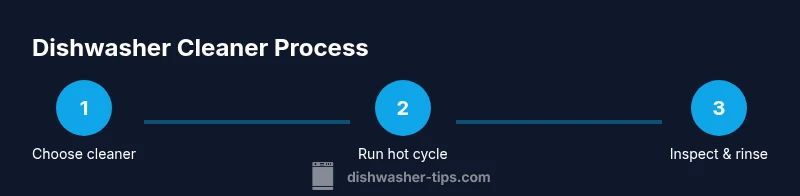
To use dishwasher cleaner effectively, run an empty cycle with the cleaner following the package directions. Choose a cleaner that matches your dishwasher type (powder, tablet, or liquid), and use the hot water setting. Avoid mixing cleaners with vinegar or bleach. For best results, perform a maintenance cycle monthly to dissolve mineral buildup and improve cleaning efficiency.
Why Regular Dishwasher Cleaning Matters
According to Dishwasher Tips, regular cleaning helps prevent costly repairs and keeps your dishwasher running efficiently. Over time, mineral deposits, soap scum, and food residues accumulate on the interior surfaces, spray arms, and filters. This buildup can impede water circulation, reduce cleaning power, and lead to odors. A routine cleaning routine not only extends the life of seals and gaskets but also improves the freshness of your dishes. By understanding how a cleaner works and how to time maintenance cycles, homeowners and renters can maintain peak performance without expensive service calls. In hard-water environments, sediment can accumulate faster, making monthly maintenance especially important. A well-timed cleaning routine also reduces the frequency of stubborn smells and can prevent clogs in drainage pathways. The goal is a consistently clean interior that delivers sparkling dishes with less effort.
Types of Dishwasher Cleaners and How They Work
Dishwasher cleaners come in several formats, each designed to target different kinds of buildup. Powder cleaners dissolve quickly and are cost-effective for routine maintenance. Tablet cleaners offer convenience and consistent dosing; many are formulated to fight mineral deposits and odors with minimal handling. Liquid cleaners can be poured directly into the tub or the detergent cup, and some are designed to circulate through the spray arms for thorough cleaning. Enzymatic cleaners use enzymes to break down organic residues that cause odors, while super-clean formulas focus on mineral buildup around filters and jets. When choosing a cleaner, consider your dishwasher model, hardness of water, and any recommendations from the manufacturer. The right cleaner, used correctly, can restore water flow, improve rinse quality, and keep your interior free of smells. The Dishwasher Tips team notes that compatibility matters—always verify that the product is safe for your unit’s tub material and seals.
Choosing the Right Cleaner for Your Dishwasher
Selecting the right cleaner starts with understanding your machine and water conditions. If your dishwasher has a stainless steel tub, look for cleaners labeled safe for stainless interiors to avoid corrosion or dulling. For regular maintenance, tablets and powders often provide consistent results; gels can be convenient for quick usage. If you have very hard water, choose a formula that includes mineral-scale inhibitors and a rinse aid component. For eco-conscious households, look for cleaners with biodegradable surfactants and minimal fragrances. Manufacturer guidelines can differ, so always check your user manual before trying a new product. In general, avoid mixing cleaners with other cleaning agents, and never use a cleaner designed for other appliances. The goal is to select a product that dissolves completely in hot water and reaches all corners of the tub, including the spray arms and filters.
Preparation: Tools, Filters, and Safety Checks
Before you begin, remove dishes and racks to access all interior surfaces. Take a quick look at the filter and spray arms for clogs or buildup, removing any debris with a soft brush or cloth. Wipe the door gasket and edges to remove residues that could harbor odors. If your dishwasher has hard water, you may notice mineral deposits around the spray arms or filter that need extra attention. Wear gloves to protect your skin from cleaners and read the product instructions for safety precautions and dosage. Ensure the detergent cup is empty unless the cleaner’s label directs otherwise. A small amount of vinegar is not recommended in combination with cleaners since it can react and reduce cleaning effectiveness.
Step-by-Step Overview: What Happens During a Cleaning Cycle
Using dishwasher cleaner is a maintenance action that helps dissolve mineral buildup, remove odors, and refresh silicone seals. The cleaner is introduced into the tub or dispenser and circulated by the hottest cycle for maximum contact with interior surfaces. A thorough rinse helps flush residues from hard-to-reach areas and ensures that no cleaner remains on dishes if a subsequent cycle is run. The process often includes a pre-wash or heated wash phase to maximize solubility and contact with deposits. After the cycle, the interior may still feel moist; this is normal as the tub dries during subsequent cycles.
Common Mistakes to Avoid
One common error is using cleaners with bleach or vinegar in the same cycle, which can produce harmful gases or damage seals. Never mix two different cleaners in the same cycle, and avoid running a cleaner when the dishwasher contains dishes. Skipping the empty cycle can leave residues that interfere with future cleaning or damage seals over time. Another frequent mistake is under-dosing or over-dosing; always follow the label’s dosage instructions and use the correct amount for the load size and water hardness. Taking no action in hard-water areas leads to persistent mineral buildup, so consider adjusting the frequency of maintenance cycles to match conditions. Finally, neglecting filter and spray-arm cleaning can undermine even the best cleaner.
Maintenance Habits for Ongoing Cleanliness
Create a simple routine that combines mechanical cleaning with chemical maintenance. After every major cleaning cycle, wipe the door seal and interior surfaces dry to reduce moisture available for bacteria growth. Regularly remove and rinse the filters, and inspect spray arms for clogs. In hard-water regions, consider using a rinse aid or water-softening treatment to minimize mineral buildup. Keeping the interior dry after cycles and storing cleaners in a cool, dry place helps maintain product effectiveness. By integrating these habits with a monthly maintenance cycle, you can preserve cleanliness and efficiency.
Handling Hard Water Effects: Odors, Scale, and Drainage
Hard water can cause mineral scale around the spray arms, filters, and tub corners. If you notice chalky residues or persistent odors after a normal cleaning cycle, you may have mineral buildup that requires a stronger or more frequent maintenance regimen. In severe cases, a professional diagnosis may be needed to evaluate water hardness and drainage issues. A calcium- or magnesium-heavy water supply can benefit from specialized cleaners with anti-scale properties and a monthly rinse. If drainage problems persist, check the drain hose for kinks and ensure the filter is fully cleaned. Regular care reduces the likelihood of backups and odors.
Seasonal Cleaning and Long-Term Care
Seasonal cleaning is an opportunity to check gaskets, seals, and hoses for wear and replacement needs. Before swapping in seasonal cleaners, inspect for cracks around the door seal and any signs of corrosion. If you notice water pooling or unusual noises, perform a more thorough inspection and consult the manufacturer’s guidance. A long-term care plan includes periodic filter replacement if suggested by the manufacturer and adjusting maintenance frequency to match the dishwasher’s usage and water quality. A consistent routine minimizes the risk of expensive repairs and keeps the appliance performing at peak capacity.
Tools & Materials
- Dishwasher cleaner (tablet, powder, or liquid)(Follow package directions for dosage and cycle compatibility)
- Latex or nitrile gloves(Protect hands from caustic cleaners)
- Measuring cup or scoop(Optional for powder cleaners)
- Soft cloth or sponge(Wipe interior surfaces and gaskets)
- Old toothbrush(Use for spray arms and crevices)
Steps
Estimated time: 15-25 minutes
- 1
Clear the interior
Remove racks if needed and wipe away loose debris. Ensure spray arms can rotate freely and check the filter for blockages.
Tip: Take a quick photo of spray arms before disassembly to ensure correct reassembly. - 2
Choose cleaner and prep
Select a cleaner type appropriate for your dishwasher and read the label for dosage and safety. Do not mix with bleach or vinegar.
Tip: If using powder, measure exactly as directed; tablets typically dissolve automatically. - 3
Add cleaner to correct location
Place the cleaner in the detergent cup or directly in the tub according to product instructions. Some cleaners require placement in the dispenser.
Tip: If your unit has a main wash heater, placing in the tub can yield better contact. - 4
Run a hot cycle
Select the hottest, longest cycle available with a pre-wash option if possible. The high temperature helps dissolve mineral deposits.
Tip: Avoid opening mid-cycle to maintain heat and effectiveness. - 5
Cool and inspect
Allow the machine to cool for 15-20 minutes after the cycle. Check for residue and odors.
Tip: Use a cloth to wipe the door seal and gasket area. - 6
Rinse and recheck
Run a second rinse cycle if any residue remains or odors persist.
Tip: Consider a follow-up rinse with a water-only cycle if hard-water buildup was heavy.
People Also Ask
What is dishwasher cleaner and why should I use it?
Dishwasher cleaner is a specialized product designed to dissolve mineral buildup, deodorize, and refresh the interior. Regular use helps maintain cleaning efficiency and prolongs the life of seals and spray arms.
Dishwasher cleaner helps remove buildup and odors; using it regularly can keep your dishwasher performing well.
Can I substitute vinegar for dishwasher cleaner?
Vinegar is not recommended as a substitute for dishwasher cleaner because it can interact with baking soda and cause foaming or damage seals. Use a product designed for dishwashers.
Vinegar is not recommended as a substitute for dishwasher cleaner.
How often should I clean my dishwasher with cleaner?
Most households benefit from a maintenance cycle once a month, especially in hard-water areas. Adjust frequency based on odors, residue, or performance.
A monthly maintenance cycle is typically enough; adjust if you notice odors or residue.
Is dishwasher cleaner safe for stainless steel tubs?
Yes, most dishwasher cleaners are formulated to be safe for stainless steel interiors when used as directed. Always follow product instructions.
Yes, as long as you follow the product directions, it’s usually safe for stainless tubs.
What if the cycle finishes but odors persist?
Odors may persist due to trapped debris or hard-water mineral buildup. Run a second cleaning cycle, clean filters, and consider adding a rinse aid adjustment.
If odor remains, run another cycle and clean filters and gaskets.
Watch Video
What to Remember
- Run cleaners on an empty cycle to prevent dish contamination
- Choose the right cleaner type for your model
- Do not mix cleaners with bleach or vinegar
- Regular maintenance extends dishwasher life
- Inspect and clean spray arms and filters during each maintenance