What Dishwasher Cycle to Use for Dishwasher Cleaner: A Practical Guide
Discover the best dishwasher cycle for running cleaner cycles. Step-by-step prep, cycle choices, and tips to keep your machine fresh and efficient.


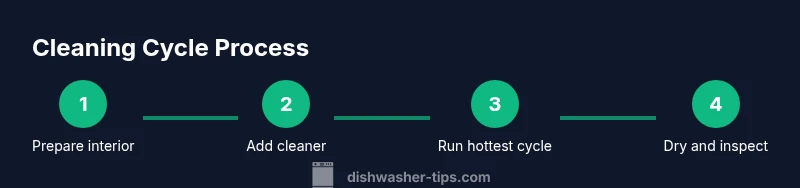
To clean your dishwasher, run an empty load on the dishwasher’s hottest cycle using a dedicated cleaner. Use the Heavy or Pots-and-Pans cycle if available, and avoid adding dishes or detergent that cycle. For stubborn buildup, run a second cleaning cycle a week later. This approach maximizes heat, spray power, and cleaning agents.
Why Regular Cleaning Matters
A dishwasher is designed to rinse, wash, and dry dishes, but over time mineral deposits, food particles, and soap scums can build up in hidden corners. Regular cleaning helps maintain performance, odors, and energy efficiency. According to Dishwasher Tips, routine maintenance reduces the frequency of clogs and improves spray arm performance. A dedicated dishwasher cleaner targets lime scale and grease more effectively than household cleaners. This is why choosing the right cycle matters: hot water, strong agitation, and adequate run time all play a role in dissolving residue. In many homes, hard water compounds pressure, leaving white film or cloudy dishes if not addressed. The goal of a cleaning cycle is to sanitize, dislodge buildup, and refresh seals and filters so the next load comes out spotless. Before you start, ensure the interior is empty and you have no metal objects or items that could be affected by heat. Regular cleaning also helps extend the life of seals and gaskets, reducing the chance of leaks.
Choosing the Right Cleaning Cycle
Not all dishwasher cycles are equal when you’re cleaning the machine itself. For residue and buildup, opt for the cycle that uses the hottest water and longest duration, such as Heavy or a Pots and Pans cycle. If your model offers a Clean or Maintenance cycle, that is often designed for this purpose. Eco cycles save water but usually operate at lower temperatures—these are less effective for hard-water stains or grease. If you’re using a cleaning agent that needs contact time, make sure the cycle provisions enough time for the agent to circulate. In general, a dedicated cleaner is designed to work with high-heat cycles; if you must, a Sanitize option can provide extra heat. If you have a dishwasher with a built-in cleaning feature, consult the manual. The Dishwasher Tips team notes that following the cycle prompts improves results and reduces residue on dishes after the next wash.
How Dishwasher Cleaners Work
Dishwasher cleaners use a combination of cleaners and acids to break down mineral deposits, grease, and residue. Citric acid, sodium carbonate, enzymes, and surfactants work best when heated and circulated by the spray arms. A hot, long cycle ensures these agents reach all corners—inside the tub, around seals, and through spray arms. Many formulas are designed to work in tandem with the machine’s heating element, so selecting a cycle that reaches high temperatures is almost always beneficial. Keep in mind that cleaners are formulated for empty cycles, so do not add dishes or silverware. Regular use helps prevent lime scale buildup and maintains efficient drying.
How to Prepare for a Cleaning Cycle
Prepare by removing all dishes, utensils, and remnants from the interior. Wipe the door gasket and the tub edges to minimize trapped grime. Check and rinse the filter and spray arms to ensure maximum water flow. If you notice standing water or clogs, address them before starting the cycle. Finally, confirm you’re using the cleaner according to its labeling and your model’s recommendations to avoid residue or foam.
Common Pitfalls and How to Avoid Them
Don’t mix dishwasher cleaners with bleach or other household cleaners. Avoid running the cleaning cycle with metal objects inside, as heat and cleaner can cause discoloration or damage. Do not use the detergent cup for cleaners that are intended to be placed directly in the tub unless the product specifies this method. If you have hard water, consider using a cleaner designed for mineral scales. Always run a complete cycle and allow the tub to dry before loading dishes again to prevent moisture buildup on seals and racks.
Maintenance Tips to Keep Your Dishwasher Clean Between Cycles
Between cleaning cycles, wipe down the door seal and a quick interior spray with a mild vinegar solution or a dedicated interior cleaner can help. Clean the filter monthly and rinse spray arms to maintain water flow. Use a rinse aid as needed to improve drying performance and prevent water spots. Check the water temperature settings and ensure your water heater remains within the recommended range for optimal cleaning. Keeping the exterior and seals dry reduces the chance of mold and mildew growth.
When to Use Specialty Cleaners or Professional Help
If you notice persistent odor, frequent clogs, or visible lime scale that resists cleaning, a stronger monthly schedule or professional service may be warranted. In cases of recurring leaks or dishwasher failure, consult a technician rather than attempting risky DIY fixes. Specialty cleaners designed for particular mineral issues (e.g., hard-water deposits) can be beneficial, but always follow product guidelines and your model’s manual.
Troubleshooting If the Cleaning Cycle Doesn’t Work
If results are unsatisfactory after a cleaning cycle, first inspect the filter and spray arms for blockages. Ensure you used the correct cycle and the cleaner was appropriate for your model. If odors persist, consider running a second cleaning cycle, preferably with a different cleaner formula or a longer cycle. If performance remains poor, it may be time to check water temperature and consult the manufacturer’s troubleshooting resources or a service professional.
Tools & Materials
- Dishwasher cleaner (tablet, powder, or gel)(Follow label directions; choose a cleaner formulated for dishwasher use)
- Gloves(Protect hands when wiping gaskets or cleaning filters)
- Microfiber cloth(For cleaning seals and door edges)
- Soft-bristled brush or old toothbrush(Use to scrub filters and spray arms)
- Dishrag or towel(Dry interior after cycle to prevent moisture buildup)
- Water and mild detergent(Only if directed by the cleaner’s instructions)
Steps
Estimated time: 60-90 minutes
- 1
Prepare interior
Remove all dishes and utensils from the dishwasher. Wipe any obvious residues from the tub and door, so the cleaner can reach every corner. This reduces the chance of trapped soils interfering with the cleaning cycle.
Tip: If racks obscure spray arms, adjust or remove the top rack to improve circulation. - 2
Inspect and clean the filter and spray arms
Take out the filter and inspect the spray arms for clogs. Rinse under warm water and use a brush to dislodge any debris. Clean spray arms so that every nozzle can spray freely during the cycle.
Tip: A clogged filter dramatically reduces cleaning effectiveness. - 3
Place cleaner in the unit
Follow the cleaner’s instructions. Place the cleaner tablet or powder in the detergent cup or bottom of the tub as directed. Do not mix with other cleaners unless the product specifies it is safe.
Tip: If your product requires it, avoid pre-mixing; most cleaners are designed to release during the wash. - 4
Select the hottest cycle
Choose the cycle that provides the hottest water and the longest run time, such as Heavy or Pots & Pans. This ensures effective cleaning of mineral deposits and grease.
Tip: If your unit has a Sanitize option, enable it for extra heat and a higher chance of disinfection. - 5
Run the cleaning cycle
Start the cycle and let it complete without adding dishes. The cleaner will circulate and work through the heated wash and final rinse phases.
Tip: Do not interrupt the cycle once it starts; interruptions can reduce cleaning effectiveness. - 6
Optional second cleaning cycle
If buildup is heavy, run a second cleaning cycle about 15–120 minutes after the first finishes, using the same steps. Some cleaners require this extra time to maximize residue removal.
Tip: A short wait between cycles helps prevent immediate re-deposition of loosened soils. - 7
Dry and inspect
After the cycle ends, wipe interior surfaces dry and inspect seals and gaskets for any signs of wear or damage. Let the tub air dry completely before loading dishes.
Tip: A quick wipe-down reduces the chance of mildew and odor forming between uses. - 8
Return items and run a quick rinse
Place racks back and run a short rinse cycle with nothing in the tub to clear any residual cleaner from the spray arms and seals.
Tip: This helps ensure no cleaner residue transfers to your first post-clean load.
People Also Ask
What dishwasher cycle should I use for dishwasher cleaner?
Use the hottest cycle your model offers, typically Heavy or Pots & Pans, with the interior empty and the cleaner applied per its directions. This maximizes heat and circulation for mineral and grease removal.
Use the hottest cycle available with the cleaner, and run it empty for best results.
Can I run a cleaning cycle with dishes in the dishwasher?
No. Cleaning cycles are designed for an empty tub so the cleaner can work on built-up residue without risking contamination or residue transfer to dishes.
No—cleaning cycles should be run empty to ensure effective cleaning.
How often should I run a dishwasher cleaning cycle?
Most households benefit from a cleaning cycle every 1–3 months, depending on water hardness and usage. Heavily used or hard-water areas may require more frequent cleaning.
Typically every one to three months, more often in hard-water areas.
What if my dishwasher doesn’t get hot enough?
If the machine isn’t heating sufficiently, run the sanitize option if available or consult the manufacturer’s guidance. A service check may be needed if the heater is underperforming.
If heat is weak, use sanitize if possible and check with the manual or a technician if needed.
Are cleaner cycles safe for seals and gaskets?
Yes, when you follow the product directions and use a cycle per the manual. Excessive cleaning or harsh chemicals can wear seals over time.
Follow directions to protect seals; excessive use can wear them down.
Should I use vinegar or baking soda during cleaning?
Vinegar and baking soda can be used for occasional deodorizing, but avoid high-concentration mixtures with cleaners and follow product instructions to prevent chemical reactions.
Use cleaners as directed; avoid mixing with vinegar extensively.
Watch Video
What to Remember
- Run empty on hottest cycle with cleaner
- Always prep by cleaning filters and seals
- Avoid loading dishes during cleaning
- Consider a second cycle for heavy buildup
- Regular maintenance reduces odors and improves performance