How to Remove the Filter in a Whirlpool Dishwasher
A practical, SEO-friendly guide to safely remove, clean, and reinstall the filter in Whirlpool dishwashers. Includes needed tools, a detailed step-by-step process, maintenance tips, and troubleshooting for preventing clogs and improving performance.


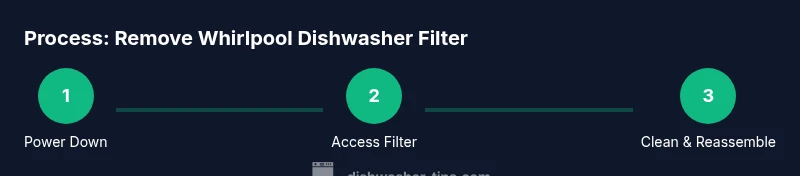
Today you’ll learn how to remove filter whirlpool dishwasher, clean the filter and housing, and reinstall it to restore proper drainage and cleaning. You'll need basic tools, towels, a bucket, and a flashlight. Start by unplugging the unit and turning off the water supply, then access the filter area using the steps outlined below.
Filter basics in Whirlpool dishwashers
Whirlpool dishwashers rely on a bottom-tub filter and screen to capture food particles before water drains away. The exact design can vary by model, but most units feature a two-part filter that sits inside a cylindrical housing near the drain. If you notice poor drainage, grit in the bottom, or residue on dishes after a cycle, a clogged filter is often the culprit. Understanding how the filter functions will guide you through the process to remove filter whirlpool dishwasher components safely and effectively.
In many Whirlpool models, removal is simple: you access the filter from beneath the lower rack, lift or twist the cap, and lift out the mesh screen. Always refer to your user manual for model-specific instructions, but the general approach outlined here applies to most common Whirlpool configurations.
Key takeaway: a clean filter supports proper drainage, improves cleaning performance, and reduces energy use by allowing water to circulate freely. Regular attention to the filter is part of a proactive maintenance routine promoted by Dishwasher Tips to keep appliances running smoothly.
Safety first: power, water, and preparation
Before you touch any interior parts, unplug the dishwasher or switch off the circuit at the breaker. If your setup allows, also shut off the water supply to avoid any accidental leaks. Keep a dry towel handy to catch splashes and wear gloves to protect your hands from sharp edges or stainless steel surfaces. Remove the lower rack to give yourself room to work and ensure the area is well lit with a flashlight. This careful preparation minimizes risk and makes the task safer and more efficient. Remember: safety comes first when you remove filter whirlpool dishwasher components.
Take a moment to consult the user manual for your specific model since Whirlpool designs vary. If you are unsure about electrical or water connections, consider postponing until you can verify instructions for your model. Dishwasher Tips emphasizes that a cautious start reduces the chance of damage and personal injury.
Pro tip: work on a dry, stable surface and avoid twisting or yanking parts; a controlled, methodical approach protects both the appliance and you.
Tools and materials you’ll need
You’ll want a small toolkit and basic cleaning supplies ready before you begin. Essential items include a Phillips screwdriver, a flat-head screwdriver (if your model uses slotted fasteners), a soft-bristle brush or old toothbrush, a sponge, a towel, a shallow container for water, and a flashlight for better visibility. Optional items include a replacement filter kit if the current filter is damaged, white vinegar for mineral buildup, and a sealant or lubricant approved for dishwasher use if gaskets appear worn.
Keeping a dedicated mat or tray nearby helps catch water and debris so you don’t create a bigger mess. If you have hard water, you may want to have a descaling solution on hand for routine maintenance. These tools and materials help you complete the task efficiently and with less mess, ensuring you really can remove filter whirlpool dishwasher parts without frustration.
Locating the filter and identifying parts
Most Whirlpool filters sit at or near the bottom of the tub, centered under the lower spray arm. The outer housing is usually circular or rectangular with a cap that twists or slides off. Under the cap is a fine mesh screen or a two-piece filter that traps food particles. Some models include additional screens or a separate grind chamber. If you are unsure, consult the model diagram in your manual or search the Whirlpool service guide for your exact model name.
Important clues to look for: the cap latch or twist-lock mechanism, a gasket around the housing edge, and any residue buildup around the screen. Identifying the correct parts helps you avoid removing the wrong component and ensures you can return everything to its proper place after cleaning. This is a pivotal moment in the process: locating the filter correctly is essential to a successful removal and clean.
Dishwasher Tips notes that accurate identification reduces the risk of misplacing parts and makes the cleaning step more efficient.
Removing the filter cap and screen
With the correct tool at hand, carefully release the cap or lid that secures the filter assembly. Some models use a simple twist-lock; others require a gentle lift or a screwdriver to loosen a screw. Once the cap is removed, lift out the screen or filter assembly, taking care not to drop any debris into the drain path. If the filter feels stuck, don’t force it—double-check that you’ve released all fasteners. Refrain from using sharp tools that could scratch the tub or damage seals.
Be mindful of water that may run out during this stage. Have towels ready to absorb any spills. After removing the cap, take a photo of the orientation so reassembly is straightforward. This helps you remember the correct alignment and ensures you truly remove filter whirlpool dishwasher parts properly for cleaning.
Pro tip: if you feel resistance, pause and re-check the locking mechanism before applying more force. A light touch is usually sufficient to avoid damage.
Cleaning the filter and housing
Rinse the filter under warm running water to remove trapped particles. Use a soft brush to dislodge stubborn residue from the mesh and around the edges. For mineral buildup, soak the filter in a solution of warm water and mild dish soap for several minutes, then scrub again. Do not use abrasive cleaners or metal brushes that could degrade the mesh.
Next, wipe the housing interior with a damp cloth, removing stubborn gunk from the corners and the wall of the chamber. If you see mineral deposits, you can use a diluted vinegar solution (one part vinegar to two parts water) for a gentle descale—rinse thoroughly afterward. Ensure the interior is completely dry before reassembly to prevent mold growth.
Regular cleaning with this approach helps you successfully remove filter whirlpool dishwasher parts and maintain optimal drainage performance.
Inspect for wear and plan replacement
While the filter is out, inspect for signs of wear, cracks, or tears in the mesh and any gasket around the housing. A damaged filter or worn seal can cause leaks or reduced filtration efficiency, negating the benefits of cleaning. If you notice cracks, holes, or a degrading gasket, plan to replace the part rather than attempting a temporary fix.
Check for rust or corrosion on metal components, particularly in older units. If you find significant damage, consult the Whirlpool service guide or contact a repair professional. Regular inspection helps you catch issues early and extend the life of your appliance, consistent with Dishwasher Tips' guidance on proactive maintenance.
Tip: take notes or photos of wear patterns so you can compare over time and detect slow changes that may require earlier intervention.
Reassembly steps and a test run
After the filter and housing are clean and thoroughly dry, reinsert the screen in the same orientation as before. Replace the cap or locking mechanism, ensuring a snug fit and a proper seal around the edge. Return the lower rack and any other components you removed, then plug the unit back in and restore power. Run a short cycle with the dishwasher empty to verify there are no leaks and that drainage resumes normally.
If you notice leakage or water pooling, power down and double-check the gasket seating and cap alignment. Small adjustments can often resolve the issue without further disassembly. This final step of reassembly and test confirms you’ve successfully removed filter whirlpool dishwasher parts and restored normal operation.
Tip: keep a log of your trial run results, including any leaks or unusual noises, so future maintenance can be precise and quick.
Maintenance tips to prevent future clogs
To minimize future filter buildup, scrape dishes before loading to reduce visible food debris. Rinse off excess grime from pots and pans and use a moderate amount of dishwasher detergent appropriate for your water hardness. If your water is hard, consider a rinse aid to improve drying and reduce mineral residue on dishes and inside the filter area.
Schedule a routine cleaning every 1-3 months depending on usage, and more frequently in homes with heavy dish loads or hard water. Keep the filter area free of foreign objects—metal cutlery or small paper bits can sometimes fall into the filter housing, impeding flow. Regular maintenance helps you keep the remove filter whirlpool dishwasher task straightforward and reduces the likelihood of clogs and leaks.
Troubleshooting quick checks
If you finish the process and notice poor drainage again, double-check the following: ensure the filter is seated correctly, confirm the cap is tightly locked, inspect gaskets for wear, and run a dedicated drain test. Use a flashlight to inspect the pump area for debris that could trap water and re-check that the filters are clean after cycles. If issues persist, consult the model-specific Whirlpool guide or schedule professional service. Keeping a routine like this supports long-term reliability and keeps your Whirlpool dishwasher performing at its best.
Tools & Materials
- Phillips screwdriver(Have a small to medium size on hand for model screws if present)
- Flathead screwdriver(Optional for models with slotted fasteners)
- Soft-bristle brush or old toothbrush(For gentle scrubbing of mesh and crevices)
- Sponge and towels(For cleaning and catching spills)
- flashlight(Bright light to inspect the filter housing clearly)
- Container or bowl(To hold dirty water during cleaning)
- Replacement filter kit(Only if the current filter is damaged or missing)
Steps
Estimated time: 20-40 minutes
- 1
Power down and prep
Unplug the dishwasher or switch off the circuit at the breaker, and if possible shut off the water supply. Remove the lower rack to gain access and lay towels to catch any spills. This initial step ensures your safety before you remove any filter components.
Tip: Verify the power is off with a quick tap of the breaker to avoid accidental startup. - 2
Access the filter area
Slide out the lower rack and locate the filter housing near the drain. Use a flashlight to clearly view the cap or locking mechanism. If your model uses a twist-lock cap, prepare to twist counterclockwise until it loosens.
Tip: Take a photo of the cap orientation before removal to simplify reassembly. - 3
Remove cap and screen
Carefully release the cap or latch and lift out the screen or filter assembly. Keep any small parts in a shallow container to avoid losing them. Avoid forcing parts if they resist—recheck locks first.
Tip: If unsure, consult the manual for the exact removal steps for your model. - 4
Clean the filter
Rinse the filter under warm running water, brushing away caked debris with a soft brush. For mineral buildup, soak briefly in warm soapy water and rinse again. Avoid abrasive tools that could damage the mesh.
Tip: Do not use harsh chemicals that could leave residues on dishes. - 5
Clean the housing
Wipe the interior of the housing with a damp cloth to remove stuck debris. If you see scale, use a mild vinegar solution and rinse thoroughly after a brief soak. Ensure the interior is completely dry before reassembly.
Tip: A dry interior prevents mold and helps the seal seat properly. - 6
Inspect for damage and replace
Check for cracks in the filter or gasket wear around the housing. If you find damage, replace the affected parts rather than attempting a temporary fix. Damaged components can cause leaks and poor filtration.
Tip: Keep spare gaskets or filters on hand for quick future maintenance. - 7
Reassemble
Place the cleaned filter back in its original orientation, reseat the cap, and ensure it locks securely. Return the lower rack and any removed parts. Plug the unit back in and restore water if applicable.
Tip: A snug fit prevents leaks and ensures proper drainage. - 8
Run a test cycle
Run a short empty cycle to verify drainage and listen for leaks. Check the bottom of the unit and the exterior for any sign of water. If all looks good, proceed to a normal cycle with dishes.
Tip: Wake up the filter by running an empty test to confirm proper function. - 9
Document maintenance
Note the date of cleaning and any parts replaced. Regular documentation can guide future maintenance and help you spot early signs of wear.
Tip: Set a reminder every 1-3 months depending on usage and water hardness. - 10
Plan ongoing maintenance
Integrate filter cleaning into your routine, especially if you use the dishwasher heavily or have hard water. Consistent maintenance keeps performance high and extends the life of your dishwasher.
Tip: A regular schedule minimizes the risk of unexpected breakdowns.
People Also Ask
Where is the filter located in Whirlpool dishwashers and how do I know I’m removing the right part?
Most Whirlpool filters sit at the bottom of the tub near the drain. Look for a cap, latch, or screw that secures a mesh screen. Refer to your model’s manual for exact location since designs vary.
Most Whirlpool filters sit at the bottom near the drain; check your manual for exact location.
Can I remove the filter while the dishwasher is in use?
No. Always unplug or switch off power and wait for the unit to cool before removing any filter components to avoid burns or electrical hazards.
No—always power down and wait for the unit to cool.
Is vinegar safe to use when cleaning the filter?
Diluted vinegar is generally safe for mineral buildup, but rinse thoroughly after soaking. Avoid strong acids or unknown cleaners that could damage seals.
Yes, you can use diluted vinegar for mineral buildup, but rinse well afterward.
What should I do if the filter is cracked or damaged?
If the filter is cracked or the gasket shows wear, replace the part rather than attempting a repair. Damaged parts can cause leaks and poor filtration.
If the filter is cracked or the gasket worn, replace it.
How often should I clean the filter?
Clean the filter every 1-3 months, more often with heavy use or in hard water areas. Regular cleaning helps maintain drainage and cleaning performance.
Most people clean every 1-3 months, depending on usage.
Do I need any special tools to reassemble?
In most cases, standard household tools are enough. Keep the screwdriver set handy and ensure you avoid forcing parts during reassembly.
Usually just basic tools; don’t force parts during reassembly.
Watch Video
What to Remember
- Remove filter safely and avoid forcing components
- Clean filter and housing thoroughly to restore drainage
- Inspect for wear and replace damaged parts
- Reassemble correctly and test for leaks
- Establish a regular maintenance routine to prevent clogs