Wash Dishwasher with Vinegar and Baking Soda: Safe DIY Cleaning
Learn how to safely clean your dishwasher using vinegar and baking soda. This guide covers prep, two-cycle method, safety tips, and maintenance to keep your machine odor-free and performing at its best.


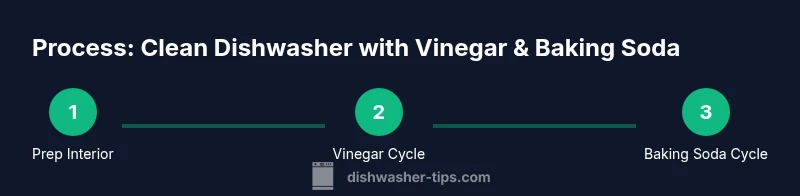
Goal: clean and deodorize your dishwasher using simple pantry ingredients. This method minimizes mineral buildup, odors, and improves water flow without harsh chemical cleaners. You’ll remove racks, inspect spray arms for clogs, run a hot empty cycle with white vinegar, then a second cycle with baking soda. Do not mix vinegar and baking soda in the same cycle.
What you’ll accomplish
This approach targets three common dishwasher issues: mineral buildup, musty odors, and sluggish drying. By using vinegar and baking soda separately, you maximize cleaning power while minimizing residue. The result is a cleaner interior, fresher dishes, and improved water flow through spray arms. The method is simple, affordable, and safe for most stainless steel tubs and plastic interiors when used as directed. Plan to run two clean cycles: first with vinegar, second with baking soda, and always avoid mixing the two on the same cycle. After the clean, inspect door seals and gaskets for signs of wear to catch small problems early.
Vinegar helps dissolve mineral deposits and neutralize smells, while baking soda provides gentle abrasion and deodorization. This two-step routine minimizes chemical exposure while delivering noticeable results for most homes. If your machine has persistent odors or visible residue after cleaning, you may need to repeat the process a few days apart or adjust the cycle length according to your model’s capabilities.
Why vinegar and baking soda work in dishwashers
Vinegar is a mild acid that dissolves mineral deposits and helps neutralize odors trapped in the tub and spray arms. Baking soda is a gentle abrasive that lifts residues and enhances deodorization, balancing pH after the vinegar cycle. Used separately, they offer a chemical-free clean that many homeowners prefer for routine maintenance. Avoid colored vinegars or those with added scents, as they can leave residues or stains on some finishes. Use pure baking soda without fragrances to prevent deposits that could accumulate over time. The dishwasher environment relies on hot water circulation, so running hot cycles with each agent in turn helps maximize their effectiveness without risking foaming or foaming-related issues.
Preparing your dishwasher for cleaning
Begin by removing the racks and utensil tray to create clear access to all interior surfaces. Wipe the door gasket, seals, and tub walls with a soft cloth to remove visible grime. Check the bottom filter and spray arms for clogs; clear any debris with a small brush or a toothpick if needed. Inspect for standing water or mineral buildup around the drain area and remove as much as possible before starting. A quick visual check can prevent surprises during the cleaning cycle and ensure water can circulate freely during the cleaning process.
Safety considerations and cautions
Never mix vinegar and baking soda in the same cycle; their reaction produces foam that can spill from the tub and create a mess. Also avoid using vinegar on delicate metals more frequently than necessary, as repeated exposure can dull some finishes on certain models. Use plain white distilled vinegar with no added colors or fragrances, and use baking soda that is free of additives. If your user manual warns against acidic cleaners for specific components, follow the manufacturer’s guidance. This method is broadly safe, but discontinue if you notice unusual odors, leaks, or corrosion signs.
Understanding cycles: vinegar first, then baking soda
The recommended sequence is to run an empty hot cycle with vinegar first to dissolve mineral scale and loosen residue, followed by a separate cycle with baking soda to deodorize and remove any remaining grime. The order matters because the acid can neutralize some of the baking soda when combined, reducing effectiveness. Running two distinct cycles also minimizes foam and potential splashes, protecting seals and electronics. If your machine supports it, select a high-temperature or sanitize setting for the vinegar step to maximize mineral dissolution.
Addressing hard water and mineral buildup
In homes with hard water, mineral buildup tends to accumulate faster in the tub, spray arms, and inlet screens. Vinegar helps dissolve calcium and magnesium deposits, while baking soda reduces film and odors. For hard-water areas, you may notice more dramatic improvements after each cleaning, and some households opt to repeat the procedure every few months. If deposits persist, consider supplementary measures like a rinse aid or a mineral-softening salt (as recommended by your model’s manual) to reduce future buildup.
Maintenance habits for ongoing cleanliness
To keep your dishwasher clean between deep cleanings, wipe the door seals monthly and check the filter weekly. Run the vinegar cycle every few months or when you notice odor or cloudy dishes, and use baking soda after cleaning to neutralize any lingering smells. Avoid loading the machine too full during cleaning cycles to prevent blocking spray arms, and periodically inspect spray arm holes for clogs. Documenting dates of cleanings can help you maintain consistent maintenance.
Common mistakes and troubleshooting
Common mistakes include using vinegar directly on metal racks too frequently, pouring cleaners into the dispenser instead of the tub, or skipping the rinse after an acid cycle. If you still smell mildew after cleaning, inspect the door seal for tears and consider replacing the gasket. If the dishwasher won’t drain after a cycle, check the drain hose and filter for clogs. In rare cases, mineral buildup or a faulty pump can require professional service, especially if symptoms persist after multiple cleanings.
Expected results and aftercare
After finishing the two-cycle cleaning, you should notice a fresher interior, cleaner-looking walls, and improved water flow through the spray arms. Dishes may come out cleaner with less residue and fewer odors. For ongoing maintenance, repeat the cleaning routine every few months, adjust frequency based on water hardness, and keep the interior dry when not in use to discourage mold growth. A well-maintained dishwasher runs more efficiently and lasts longer.
Tools & Materials
- White distilled vinegar (5-8% acidity)(Use plain, clear vinegar; avoid colored varieties and scents)
- Baking soda (sodium bicarbonate)(Pure, unscented baking soda; keep dry before use)
- Hot water(Access to hot water for pre-rinsing and cycle.)
- Soft cloth or sponge(For wiping seals, tub walls, and filters)
- Toothbrush or small brush(For stubborn residue and spray-arm holes)
- Gloves (optional)(Protect hands from spills and citrus residues)
Steps
Estimated time: Estimated total time: 60-90 minutes
- 1
Remove racks and prep interior
Open the door and take out the racks and utensil tray to expose every corner of the tub. Wipe the door gasket and interior walls with a soft cloth to remove stuck-on grime. Inspect the spray arms and filter for obvious debris before you start; clear any blockages with a small brush or pick if needed.
Tip: Take a quick photo of the spray-arm connections before reassembly to ensure proper alignment. - 2
Inspect spray arms and filter
Turn the spray arms gently to ensure they spin freely and do not jam on any residue. Remove the bottom filter and rinse under hot water; use the toothbrush to dislodge stubborn particles from mesh screens. Reinsert the parts securely to prevent leaks during cycles.
Tip: Clear pores in spray arms to improve water flow and cleaning efficiency. - 3
Run hot cycle with vinegar
Place a cup or small bowl of white vinegar in the bottom of the tub and run the dishwasher on a hot empty cycle. The vinegar helps dissolve mineral buildup and neutralize odors by providing a mild acidity that loosens deposits on walls and spray arms.
Tip: Do not place vinegar in the dispenser; let it contact the tub floor for direct cleaning. - 4
Wipe interior and inspect after vinegar cycle
After the vinegar cycle completes, wipe the interior again with a clean cloth to remove loosened grime. Inspect the tub, seals, and drain area for any remaining residue or damp spots. If deposits persist, a secondary pass with baking soda can help lift them without harsh scrubbing.
Tip: Rinse the cloth frequently to avoid redistributing loosened deposits. - 5
Run baking soda cycle
Sprinkle baking soda across the bottom of the tub or place a cup of baking soda on a rack and run another hot cycle. Baking soda deodorizes and removes any residual film, leaving surfaces with a fresh, clean scent.
Tip: Avoid pouring baking soda into the dispenser; it should contact the tub floor for even distribution. - 6
Final rinse and dry
Once the baking soda cycle finishes, wipe the interior one more time and leave the door ajar to allow thorough air drying. Return racks and utensils, run a short normal cycle on empty if you want extra rinse assurance, and inspect seals for dryness.
Tip: Keep the interior dry after cleaning to prevent mold growth.
People Also Ask
Is it safe to use vinegar and baking soda together in the same cycle?
No. Mixing vinegar and baking soda in the same cycle creates a foamy reaction that can overflow and reduce cleaning effectiveness. Use them in separate cycles as described.
No, they shouldn’t be used together in the same cycle; use vinegar first, then baking soda on a separate cycle.
How often should I perform this cleaning?
For most households, a two-cycle vinegar and baking soda cleaning every few months works well, especially in areas with hard water. If you notice odors or cloudy dishes sooner, repeat sooner.
Most homes do this every few months; adjust frequency if you notice odors or buildup.
Will vinegar damage stainless steel interiors?
When used sparingly and not on a daily basis, plain white vinegar is safe for most stainless steel interiors. Limit exposure to avoid potential dulling; rinse and dry after use.
Vinegar is generally safe for stainless steel if used occasionally and rinsed off.
Can baking soda damage the dishwasher seal?
Baking soda is gentle and unlikely to damage seals when used as directed in a separate cycle. Avoid piling it into crevices or onto hot elements during cleaning.
When used as directed, baking soda won’t harm the seals.
What if my hard water leaves deposits despite cleaning?
If deposits persist, consider increasing cleaning frequency or using a commercial rinse aid designed for hard water. Recheck spray arms and filters for debris.
Hard water deposits may need more frequent cleaning or a rinse aid.
Are there alternatives I can use besides vinegar and baking soda?
Yes, you can use manufacturer-approved dishwasher cleaners that are designed for your machine. Always follow the manual and avoid mixing cleaners with vinegar unless specified.
There are alternatives approved for your dishwasher; follow the manual.
Watch Video
What to Remember
- Use two separate cycles: vinegar first, then baking soda.
- Remove racks and clean seals before starting.
- Avoid mixing cleaners in the same cycle to prevent foaming.
- Regular maintenance reduces mineral buildup and odors.