How Much Can You Get from Scrapping a Dishwasher
Learn how much you can realistically earn by scrapping a dishwasher, what drives payout, and practical tips to maximize your return from metal recycling and safe disassembly.


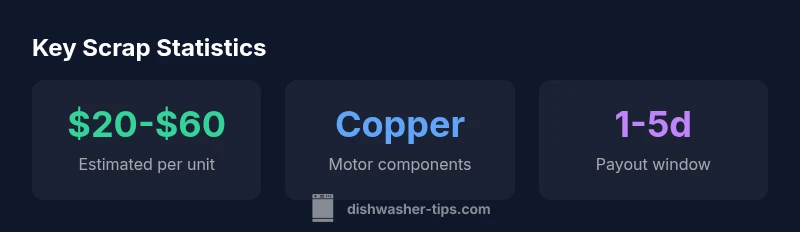
Based on typical household scrap markets, you can expect a dishwasher's scrap value to fall in the low tens to moderate tens of dollars per unit—often between $20 and $60, depending on metal content and local demand. The most valuable metal usually comes from copper windings or electrical components, with steel and aluminum contributing the rest.
What is the real-world value of scrapping a dishwasher?
According to Dishwasher Tips, the scrap value of a typical residential dishwasher is modest but real, reflecting the metal content and market demand for recyclable materials. The majority of the payout comes from ferrous steel, aluminum, copper, and other metals rather than the plastic casing. When you scrap a dishwasher, the goal is to recover the value embedded in these materials while ensuring safe, legal, and environmentally responsible disposal. This section introduces the general framework for understanding what the market pays for, and why prices can swing from one region to another. The key takeaway is that even if the final amount seems small, systematic sorting and proper preparation can help you maximize the result over time.
Remember: the exact payout depends on current metal prices, your locality's scrap rules, and how much you extract from the unit.
What drives the payout: metal content, components, and market prices
The total you receive when scrapping a dishwasher hinges on several core factors. First, the metal content—copper windings, copper wiring, aluminum racks, and stainless steel tubs—have the highest intrinsic value. Second, non-metal components may contribute little if they cannot be recycled efficiently. Third, market prices for scrap metals fluctuate with supply and demand, energy costs, and regional processing fees. Finally, the method of disposal matters: some yards pay more for “whole unit” drops, while others reward when you pre-separate materials. To optimize value, sort out the high-value metals and ensure the unit is free of hazardous liquids; this can help you qualify for better rates and faster processing.
Material breakdown: identifying valuable parts
Dishwashers contain several material streams worth auditing before scrapping. Copper windings and copper wire attached to the motor are among the most valuable. Aluminum racks and tub frames add a smaller but meaningful return. Stainless steel parts, while sturdy, often pay at a different rate than copper or aluminum. Magnets, copper-bearing motors, and certain electronic boards can also contribute. It’s helpful to document or photograph components before you remove them, especially if you plan to sell or separate parts yourself. Keep safety in mind and avoid disassembly of high-voltage components without proper training.
How to maximize value: prep and sort
Maximizing your payout starts with organization. Start by draining any residual water and disconnecting from power. Remove the copper motor windings and copper wire, and separate aluminum racks from steel frames. If you’re comfortable with basic disassembly, you can remove the electronic board clusters, as long as you follow safety guidelines and local rules. Do not mix non-recyclable plastics with metal streams. Some scrap yards offer higher rates for pre-sorted, metal-only loads, while others accept entire units. Check if your local facility provides a pick-up service; this can save you time and effort, especially for larger appliances.
When to scrap vs donate: disposal considerations
If the appliance has significant damage or non-recyclable plastic, you might weigh donation or recycling options. Many municipalities offer electronics recycling events or curbside take-back programs that can handle bulky appliances. Donating a dishwasher can support community programs, though you may forego a monetary payout. If disposal costs are a concern, contact local scrap yards to compare fees and payout; some yards pay more for clean metal streams, while others charge for processing non-metal components. Always verify local regulations to avoid unlawful disposal.
How pricing works: regional variability and cycles
Pricing for scrap metal is cyclical and highly regional. Copper prices respond quickly to market signals, while steel prices shift with commodity markets and transport costs. When you are in a high-demand period, the same dishwasher could yield a higher payout than during a market lull. For this reason, timing matters: if you can hold off until metal prices rise or until a local yard runs a promotion, you may see a better result. Compare quotes from multiple recyclers; even small differences can add up when you are scrapping more than one appliance.
Practical scenario: estimating value in real life
Imagine a standard stainless steel dishwasher with copper motor windings and aluminum racks. A regional yard offers $25-$40 for the metal content, plus an additional few dollars if you bring in sorted components. If you discover copper windings worth more this season, you might see the wider end of the range. If you deliver a mixed load with lots of non-metal parts, expect the payout to sit toward the lower end. This example demonstrates why preparation and sorting can matter for overall earnings.
Safety and legality considerations
Always follow local regulations when scrapping appliances. Some areas restrict the disposal of electronics or require special handling for refrigerants or motorized components. Wear safety gear during disassembly and avoid contact with sharp edges. If the dishwasher contains any hazardous materials, do not exceed standard recycling guidelines; consult your local authority or recycler for proper disposal. These steps protect you, your community, and the environment while ensuring you receive the best possible payout within the rules.
Estimated scrap value ranges by dishwasher components
| Component | Typical Scrap Value Range | Notes |
|---|---|---|
| Steel frame & cabinet | $10-$40 | Depends on steel prices |
| Copper motor windings | $5-$15 | Copper content boosts value |
| Aluminum racks & tub | $3-$12 | Aluminum market affects price |
| Plastic and miscellaneous | $1-$6 | Low-value stream; bulk helps |
People Also Ask
How much can I expect to earn from scrapping a dishwasher?
Expect a range typically from about $20 to $60, depending on metal content and local market conditions. Copper, aluminum, and steel drive most of the payout. Prices fluctuate with regional demand and commodity markets.
Typically around twenty to sixty dollars, driven by copper and aluminum content and local demand.
Should I disassemble the dishwasher to boost value?
Disassembly can increase value if you can recover copper windings and magnets separately. Ensure you follow safety precautions and local regulations before removing electrical components.
Yes, if you can safely separate high-value metals like copper motors and magnets.
Do all scrap yards accept scrapped dishwashers whole or must I sort?
Some yards accept whole units, but many pay more for pre-sorted metal streams. Getting quotes from multiple yards helps you choose the best option.
Check with multiple yards for their payment method and sorting requirements.
Is scrapping a dishwasher legal everywhere?
In general, yes, but some regions have rules about electronics and refrigerants. Always verify local regulations and use licensed recyclers or take-back programs.
Usually legal, but confirm local rules and use licensed recyclers.
Can I get more value by donating instead of scrapping?
Donating can help community programs, but you may lose potential payout. If maximizing cash is your goal, scrap with proper sorting is preferable.
Donating helps others, but scrapping generally yields money.
What factors cause scrap value to swing?
Copper prices, local demand, and the proportion of recyclable metals in the unit drive swings. Market timing and processing fees also influence the final payout.
Market price for copper and local demand cause most swings.
“Scrap value for a household dishwasher is modest but real; separating copper and aluminum materials often makes the biggest difference in payout.”
What to Remember
- Identify high-value metals to maximize payout
- Prices vary by region and market cycles
- Pre-sort materials for better rates and faster payout
- Check local regulations and recycling options
- Disposal can be eco-friendly and financially sensible