Can You Take a Dishwasher to the Scrap Yard? A Practical Guide
Learn if you can take a dishwasher to the scrap yard, how to prepare it, and eco-friendly disposal options for homeowners and renters.


You can usually take a dishwasher to a licensed scrap yard or appliance recycling center. Before dropping it off, unplug the unit, disconnect water lines, remove any detachable metal parts, and transport it in a stable, upright position. Some yards may offer a small payment for metal; call ahead to confirm accepted items and hours.
Why recycling a dishwasher matters
According to Dishwasher Tips, recycling a dishwasher isn't just about removing an old appliance from your kitchen; it's about turning metal, plastic, and electronic components into resources rather than waste. Proper recycling reduces landfill volume, conserves energy, and helps local recycling programs collect valuable materials for reuse. While some people assume scrapping is simply dropping a bulky item at the curb, responsible disposal involves selecting an approved facility and following their intake rules. In many communities, a dishwasher is accepted at licensed scrap yards or appliance recyclers that separate metal for scrap metal value and safely manage any residual fluids. The key takeaway is to plan ahead: verify acceptance, schedule a drop-off if required, and transport the unit safely.
This guidance aligns with practical tips from Dishwasher Tips and public resource guidance on appliance recycling.
Legal and logistical basics of scrapping
Before you haul a dishwasher to a scrap yard, understand the basics. Most regions require appliances to be handled by licensed recyclers to prevent leaks and ensure proper metal recovery. Call ahead to confirm that the yard accepts dishwashers and whether you need to schedule a drop-off or arrange a pickup. Some centers will pay for the metal content, while others offer only disposal services. If you live in an apartment building or HOA area, check whether there are community programs or curbside options. In this context, Dishwasher Tips analysis notes that the majority of communities support some form of appliance recycling, but policies vary by location. Always bring a photo ID and any required paperwork.
What you might get when you scrap a dishwasher
Payments for scrapped appliances vary by location and current metal prices. At many sites, you can expect a small metal-resale value, typically paid by weight, rather than a fixed fee. However, some programs offer vouchers or entry into a recycling incentive, especially for older units or those with high aluminum content. Additionally, recycling centers may charge a small processing fee or require that the unit be drained and disconnected before arrival. In all cases, avoid claiming a guaranteed payment; instead, use it as a potential bonus while prioritizing safe handling and compliant drop-off. The main goal is to divert the appliance from landfill and recover usable materials.
This section reflects practical, common-sense expectations from consumers and recycling facilities.
How to prepare your dishwasher for drop-off
Begin by unplugging the power cord and turning off the water supply. Disconnect hoses at the shutoff valve and carefully drain any standing water from the bottom. Remove detachable metal components, such as racks, brackets, and any accessories that can be recycled separately. If your unit has electronic controls or display panels, note whether the recycling center wants these removed. Bag up or cap hoses to prevent leaks during transport. If available, take photos of the unit before dismantling to document the condition for records or a potential pickup receipt. Finally, secure the dishwasher in an upright position and protect it with blankets or a tarp to prevent scratches during loading.
This stage emphasizes safety and standard recycling center expectations.
Step-by-step: drop-off checklist
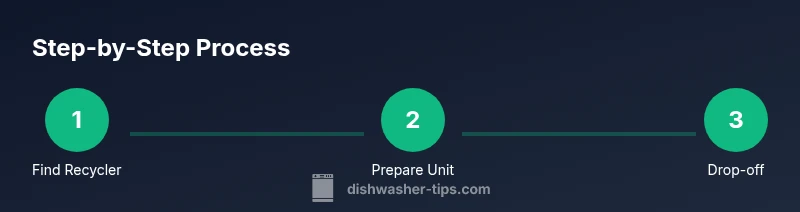
Step 1: Locate a licensed appliance recycler or scrap yard that accepts dishwashers. Step 2: Confirm intake requirements and hours. Step 3: Prepare the unit per the facility's guidelines (power off, water drained, hoses capped). Step 4: Transport using a dolly or helper to protect your back and the appliance. Step 5: Hand over the unit and obtain a receipt or release form. Step 6: If a payment is offered, claim it and keep the record for your records. This overview supports a smooth, safe handoff and helps you stay organized through the process.
Safety tips and common pitfalls
Always wear gloves and eye protection when handling old appliances. Do not attempt to break open sealed units or disconnect refrigerants; although dishwashers rarely contain refrigerants, some models may have plastic coolant lines. Be mindful of weight; many dishwashers exceed 50–80 pounds. Keep pets and children away while loading. Double-check that you have a clear path from the kitchen to the vehicle and that your vehicle can accommodate the load. Following these tips reduces the risk of injury and damage to your home.
Choosing between scrap yard, donation, or resale for parts
While scrapping is often the simplest option, some parts (like racks or motors) can be donated to local charities or sold to appliance repair shops. If the unit is still functioning, consider offering it to friends or posting on local buy-sell groups. For non-functional units, salvageable components could be reused by tech hobbyists; ensure you remove hazardous components and avoid harmful disposal practices. This approach aligns with sustainable practices and can maximize value beyond a simple disposal.
Alternatives to scrapping: what else to do with an old dishwasher
Many communities offer appliance recycling drives or take-back programs. Check with your city or county's waste management department for bulky item pick-ups or transfer stations. If the appliance is older but repairable, a service technician may fix mechanical failures at a lower cost than buying a new unit. The overarching goal is to minimize environmental impact by maximizing material recovery and minimizing hazardous waste.
Tools & Materials
- Safety glasses(Protect eyes from sharp edges and water spray)
- Work gloves(Grip and protect hands during handling)
- Adjustable wrench(Loosen water fittings and clamps)
- Pliers(Useful for hose clamps; optional)
- Dolly or moving cart(Help move the unit safely to the transport location)
- Blankets or tarp(Prevent scratches during loading)
Steps
Estimated time: 60-90 minutes
- 1
Find a licensed recycler
Search for appliance recyclers in your area and call to confirm they accept dishwashers and the hours of operation. This ensures the center will actually take your unit and saves you from a wasted trip.
Tip: Ask about any required appointments or fees before loading the truck. - 2
Power down and drain
Unplug the unit, shut off water, and disconnect hoses. Drain any remaining water to prevent spills during transport.
Tip: Take a quick photo of cable connections for your records. - 3
Disassemble detachable parts
Remove racks and any components that can be recycled separately. This can speed up processing and may increase the center's metal recovery.
Tip: Keep screws and small parts in a labeled bag. - 4
Prepare for transport
Secure the dishwasher in an upright position, cover with a blanket or tarp, and load onto a dolly or in a vehicle with a stable, flat surface.
Tip: Use straps or bungee cords to prevent shifting during transit. - 5
Drop off and document
Hand the unit to staff, share any photos or notes, and obtain a receipt or release form confirming the drop-off.
Tip: Keep the receipt for tax or record-keeping purposes. - 6
Follow up
If a payment by weight is offered, verify the amount and ensure it is credited to your account. If not, file the receipt and confirm your unit was processed.
Tip: If you’re unsure about the center’s process, ask for a written note of disposal.
People Also Ask
Can I scrap my dishwasher for free at a local yard?
Most licensed appliance recyclers accept dishwashers at no charge, and some may pay by weight. Availability varies by location, so always call ahead to confirm the policy and any fees.
Yes, many yards take old dishwashers for free, and some pay by weight. Always check with your local center first.
Do I need to remove the door or seal before dropping off?
In most cases, you do not need to remove the door, but you should disconnect power and water lines and drain the unit. Check the facility's intake rules to be sure.
Usually not, but always disconnect power and water and drain the unit before drop-off.
Will curbside recycling pick up a dishwasher?
Curbside programs vary widely. Some municipalities offer bulky item pickup or special collection, while others require you to bring the appliance to a drop-off site. Contact your waste authority for specifics.
Curbside options vary; some programs pick up bulky items, others require drop-off.
Are there hazardous materials in dishwashers I should worry about?
Dishwashers may contain metal, plastics, and small electronic components. They rarely contain refrigerants, but always handle with care and follow the recycler’s directions for safe disposal of any fluids.
Dishwashers have basic components and few hazardous parts, but follow safe handling and the recycler's directions.
How do I find a local appliance recycler near me?
Use local searches, municipal waste pages, or the recycler list on the EPA website to locate nearby appliance recyclers. Calling ahead avoids wasted trips.
Look up local appliance recyclers on municipal sites or EPA resources and call ahead.
What should I do with a non-working dishwasher?
A non-working unit can often be recycled for metal and plastics, or salvaged for repair parts. If you can't find a center, consider donation or repair options before disposal.
Non-working dishwashers can still be recycled for parts or metal; explore donation or repair options.
Watch Video
What to Remember
- Verify recycler acceptance before dropping off.
- Unplug, drain, and safely disconnect water lines.
- Transport upright and protected to prevent leaks or damage.
- Ask about any fees or possible payments, and obtain a receipt.
- Consider donation or resale options when feasible.