Parts for Whirlpool Dishwasher: Replacement, Sourcing, and Maintenance
A comprehensive guide to Whirlpool dishwasher parts, including common components, compatibility tips, sourcing OEM vs aftermarket options, and practical replacement steps for homeowners and renters.


Parts for Whirlpool dishwasher include pumps, seals, spray arms, filters, and control components—each with unique failure signs. This quick guide helps homeowners diagnose issues, identify compatible replacements, and source quality parts quickly. According to Dishwasher Tips, model compatibility is key to avoiding wrong parts and wasted time. The Dishwasher Tips team found that correct part selection speeds safe DIY or pro repairs for leaks or poor cleaning.
Understanding Whirlpool Dishwasher Part Families
Whirlpool dishwashers rely on a handful of core part families that control cleaning performance, water movement, and leak prevention. The pump family includes the circulation pump that moves water through spray arms to sanitize and rinse a load, and the drain pump that clears wastewater after a cycle. Seals and gaskets form watertight boundaries at doors, tubs, and hoses, and are among the most common wear items in a busy kitchen. Spray arms distribute water to reach every dish, and filters trap food debris before it reaches the pump. Control components and sensors govern cycles, timing, and self diagnostics. Racks and baskets support dishes without obstructing spray patterns. For maintenance, it helps to know which parts occupy the most wear and how they interact during a cycle.
How to Identify the Right Part by Model
Whirlpool keeps detailed catalogs that map model numbers to compatible parts. Start with the model number, then cross reference with the official Whirlpool parts catalog or an authorized distributor. When you locate a potential replacement, compare key dimensions, connectors, and mounting points to the old part. If in doubt, check the service manual or contact customer support. A small mismatch in connector type or mounting hole spacing can render a part unusable. The goal is to confirm fit before ordering and avoid return hassles.
Common Symptoms That Point to a Part Replacement
Not all symptoms require a full parts swap. However, persistent issues such as water leaks around the door, standing water after a cycle, or poor cleaning can point to worn seals, blocked filters, or a failing pump. Listen for unusual noises during operation, which can indicate a failing motor bearing or a loose spray arm. Error codes displayed on the control panel often reference a specific subsystem. Document symptoms, then test suspected parts one by one while keeping safety in mind. This approach minimizes unnecessary replacements and helps you plan cost-effective repairs.
Sourcing Genuine vs Aftermarket Parts
Genuine OEM Whirlpool parts are generally the most reliable for fit and warranty protection, but aftermarket parts from reputable brands can offer solid value for non critical components. For critical items such as pumps and door seals, OEM parts often provide the most consistent performance and longer warranty coverage. When choosing aftermarket parts, verify brand reputation, customer reviews, and return policies. Dishwasher Tips notes that balancing cost against reliability is key for long term satisfaction; for core components, OEM is typically the safer bet.
How to Measure and Compare Parts for Fit
Before ordering, measure critical dimensions such as mounting holes, connector spacing, and channel width. Photograph the old part from multiple angles to compare shape, clip styles, and orientation. Check connector type and wiring harness compatibility, especially for control boards and sensors. Some parts are sold as kits that include multiple gaskets or seals, which can simplify installation and reduce the chance of a mismatch. Keeping a simple parts checklist helps ensure you buy the right item the first time.
Replacement Steps: A Safe, Practical DIY Approach
Begin by unplugging the machine and turning off the water supply. Remove access panels to locate the target part and disconnect any harnesses with care. Use appropriate tools and avoid prying or forcing components, which can cause additional damage. Replace the part with a matching OEM or verified aftermarket unit, reattach connectors, and reseal any gaskets. Reassemble the panels, run a test cycle without dishes, and check for leaks or abnormal sounds. If the issue persists, recheck connections and verify model compatibility.
Tools You Need for Replacing Whirlpool Dishwasher Parts
A basic repair often requires a Phillips and flat head screwdriver, pliers, a nut driver, a multimeter for electrical checks, and a flashlight for visibility inside the tub. A small portion of silicone grease helps with gasket seating. A bucket and towels are handy for catching residual water. For more challenging jobs, a service manual or professional guidance can prevent mistakes that lead to floods or electrical hazards.
Cost, Warranty, and Maintenance Considerations
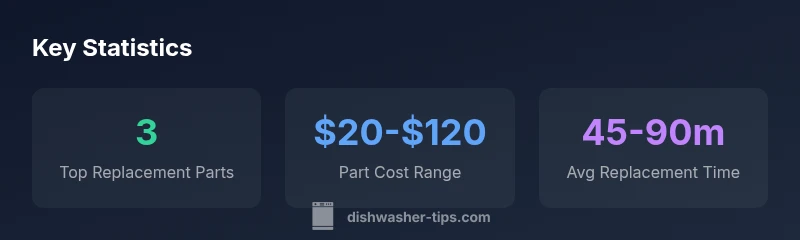
Part costs vary with part type and model complexity. A typical range for common components is modest, but pumps and control boards can be more expensive. Consider the overall value when weighing OEM versus aftermarket parts; warranties on OEM parts are often longer and more reliable. Routine maintenance such as cleaning filters, inspecting seals, and checking spray arms can extend part life and reduce the frequency of replacements. Plan for both parts and potential labor if you hire a technician.
Maintenance Tips to Extend Part Life
Regular maintenance pays off. Clean filters after every few cycles, inspect door seals for cracks or tears, and check spray arms for clogs or broken nozzles. Hard water deposits can degrade seals and spray efficiency, so consider using rinsing aid and periodic mineral safeguards. Run hot water cycles occasionally to keep the pump and seals flexible. Keeping an organized parts inventory and a simple replacement schedule helps you respond quickly to issues.
Whirlpool dishwasher parts at a glance
| Part Type | What It Does | Common Symptoms | Replacement Considerations |
|---|---|---|---|
| Pump (Circulation) | Moves water through spray arms to clean dishes | Noisy pump; poor cleaning; leaks | Check model compatibility; OEM recommended |
| Spray Arm | Distributes water for cleaning | Water streaks; low coverage | Inspect for cracks; replace as set if multiple arms wear |
| Filter | Traps debris before drainage | Clogged drain; dirty dishes | Clean or replace; ensure proper seating |
| Door Seal/Gasket | Prevents leaks at door | Leaks around door | Replace to restore seal; inspect mounting frame |
People Also Ask
What is the most common Whirlpool part to fail?
The most common failures involve door seals, pumps, and filters. These parts endure regular wear from heat, water exposure, and debris. Replacing them promptly prevents leaks and improves cleaning performance.
Door seals, pumps, and filters are the most common failures; replacing them early prevents leaks and keeps dishes clean.
Are OEM Whirlpool parts worth the extra cost?
OEM parts offer a guaranteed fit and compatibility with Whirlpool systems, reducing the chance of iterative replacements. For critical components, the reliability and warranty make OEM a sensible long term choice.
OEM parts fit better and last longer, which makes them worth it for key components.
Can I replace parts without professional help?
Yes, many Whirlpool dishwasher parts can be swapped by homeowners with basic tools. Follow safety steps, unplug the unit, and work in a dry area. If you encounter electric or fluid hazards, stop and consult a pro.
DIY is possible for many parts, but stop if you sense electrical hazards.
How do I confirm part compatibility with my model?
Locate your model number on the door frame or inside the tub, then consult the official Whirlpool parts catalog and cross reference with the part you plan to buy. When in doubt, contact support or a trusted retailer.
Check the model number and cross reference with official catalogs.
Where can I buy authentic Whirlpool parts?
Official Whirlpool parts stores and authorized distributors are the safest sources. Look for parts that include proper branding, warranty information, and return policies.
Use official Whirlpool catalogs or authorized distributors.
What safety steps should I take before starting a replacement?
Unplug the machine, turn off the water supply, and drain any residual water. Work on a dry surface and use insulated tools. If the task involves wiring, ensure power is fully disconnected and test circuits after completion.
Unplug, shut water, work dry, and be careful with wiring.
“Parts knowledge is the foundation of reliable dishwasher repairs. Correct part selection reduces downtime and protects your warranty.”
What to Remember
- Identify symptoms first to narrow the faulty part
- Verify model compatibility before ordering any part
- Prefer OEM parts for critical components to ensure fit
- Document steps to simplify future maintenance
- Maintain your parts inventory for faster repairs