Can You Put Dishwasher Pods in Your Toilet Tank? Risks and Safer Alternatives
Discover why dishwasher pods should never go into toilet tanks, the risks to plumbing and septic systems, and safer, effective alternatives for toilet cleaning and maintenance.


According to Dishwasher Tips, you should never put dishwasher pods in your toilet tank. Dishwasher pods are formulated for dishwashers and can fizz, foam, and leak chemicals into your plumbing. In a toilet tank, they may damage seals, disrupt septic systems, or corrode parts of the system. For toilet cleaning, use products labeled for toilets and follow directions; seek a plumber for clogs.
Why this idea is risky
The temptation to abuse household products for a quick clean can be strong, especially when it seems like a bottle is just sitting there waiting to do something. However, using dishwasher pods in a toilet tank introduces concentrated detergents and surfactants into a plumbing environment that is not designed for dishwasher chemistry. According to Dishwasher Tips, this practice is unsafe and unnecessary. The toilet tank houses relatively delicate components — the fill valve, flapper, seals, and gaskets — that are not built to withstand the harsh surfactants and additives found in dishwasher pods. Over time, repeated exposure can degrade seals, lead to leaks, and complicate future maintenance. The goal of toilet cleaning should be achieved with products specifically designed for toilets and septic systems.
Key takeaway: what works in a dishwasher does not translate to a toilet, and mistreating your toilet tank can create preventable problems.
What happens inside the toilet tank when a pod is introduced
Dishwasher pods release a concentrated mix of detergents, enzymes, and fragrances when dissolved. If a pod ends up in a toilet tank, these ingredients can mix with standing water for extended periods, causing abnormal foaming and flushing behavior. The capsule itself may rupture, releasing contents that interact with rubber seals and plastics inside the tank. Over time, these chemicals can wear down gaskets, cause corrosion on metal components, and create a residue that hinders the normal sealing and flushing cycle. The result can be unpredictable flush performance, increased mineral buildup, and a higher risk of leaks. While a single pod may not cause catastrophic damage, repeated exposure is not a risk worth taking.
How toilet chemistry differs from a dishwasher's environment
Dishwashers are designed to tolerate harsher cleaning agents under controlled temperatures and pressures. A toilet tank, by contrast, is sealed at one end (with the fill valve) and connected to the sewer line at the other, with soft plastics and rubber seals that are not meant to contend with concentrated detergents. The water in a toilet tank is typically colder and remains in contact with internal components for longer periods than a dishwasher’s wash cycle. Plus, the types of surfactants in dishwasher pods are designed to emulsify food soils, not to be compatible with toilet parts. These fundamental differences mean that an idea like placing pods in the tank is not just ineffective—it is potentially harmful.
Potential damage to components and seals
The tank contains several components that can be affected by dishwasher pods. Seals and gaskets may experience hardening, cracking, or swelling when exposed to detergents and solvents. The fill valve and float mechanisms can become stiff or corroded, altering water level, flush strength, and timing. Plastic parts can discolor or degrade, while metal components may suffer from corrosion where cleaners come into contact. Even if immediate symptoms aren’t obvious, the cumulative effect of exposure over months can lead to leaks or unpredictable shutdowns. The risk is not just cosmetic; it can affect the toilet’s reliability and longevity.
Impact on septic systems and municipal sewer lines
Even if you have a modern sewer connection rather than a septic system, introducing dishwasher chemicals into the toilet can alter the chemistry of the wastewater. Surfactants and additives from pods can contribute to foaming and bubbles in sewer lines, potentially stressing pump stations or treatment processes. In septic systems, certain detergents can disrupt the beneficial bacteria that break down waste, slowing down the system and leading to buildup or odor issues. While a single pod is unlikely to cause a dramatic problem, chronic misuse creates a larger risk profile for household wastewater management. The safest course is to keep dishwasher products out of the toilet entirely and use cleaners designed for toilets and septic-friendly formulations.
Safer cleaning and maintenance options for toilets
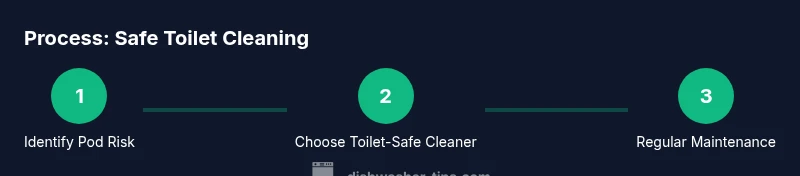
For reliable toilet cleaning, choose products labeled specifically for toilets or septic systems. Enzymatic cleaners can help break down organic buildup in toilet bowls, while standard toilet bowl cleaners target mineral deposits and stains. Regular maintenance includes:
- Brushing the bowl with a toilet-safe cleaner.
- Using a non-abrasive scrub brush to protect porcelain and seal surfaces.
- Periodically flushing with cold water to rinse the internal components without adding harsh chemicals to the tank.
- Avoiding mixing cleaners with unknown combinations, which can release toxic fumes or create dangerous reactions.
If you’re concerned about odors or mineral buildup, consider using a rinse aid formulated for toilets or enzymatic cleaners approved for septic systems. These options provide safe, predictable results without compromising plumbing.
A quick guide to choosing the right cleaners for toilets
When selecting products for toilet cleaning, read the label for explicit toilet compatibility and septic-safety. Key criteria include:
- Clear “toilet-safe” or “septic-safe” labeling.
- Non-foaming formulas that won’t create excessive suds in pipes.
- Ingredients that are gentle on rubber seals and plastic components.
- Avoidance of chlorine bleach with metal parts that could corrode or degrade gaskets.
If you have a septic system, prioritize products tested and labeled as safe for septic environments. While convenience is important, reliability and safety should drive your choices.
Myths and misconceptions about dishwasher pods in plumbing
A common myth is that dishwasher pods can deodorize toilets or help with hard-water stains. In reality, pods do not target the typical issues seen in toilets, such as bowl ring buildup, mineral deposits, or waste line clogs. They are not designed for toilet systems and may introduce unexpected chemical interactions. Another misconception is that a quick flush will neutralize the pod’s contents; this is not guaranteed and can spread detergents further into the plumbing network. The best approach is to avoid pods in toilets altogether and rely on toilet-specific cleaners.
If you suspect exposure or issues: steps to take
If you accidentally introduced a pod into the toilet tank or notice unusual foaming, malodor, or degraded toilet performance, take these steps:
- Stop using the toilet for additional emissions and keep the bathroom well-ventilated.
- If the pod was visible, wear gloves and remove it carefully, placing it in a trash receptacle away from children and pets.
- Flush the toilet gently and observe the flush cycle. If foaming persists or you notice leaks, contact a licensed plumber.
- For exposure concerns (eye, skin, or ingestion), consult local poison control or medical professionals immediately.
Being proactive and cautious protects your plumbing and your family’s safety. Regular maintenance with toilet-safe products reduces the risk of future incidents.
Tools & Materials
- Latex or nitrile gloves(Protect hands when handling any spilled cleaners or misused products)
- Toilet-safe cleaner(Label indicates compatibility with toilets and septic systems)
- Toilet bowl brush(Non-abrasive brush for porcelain surfaces)
- Soft cloth or microfiber towel(For gentle wiping and drying)
- Plunger(For clearing minor clogs associated with misuse)
- Disposable trash bags(For safe disposal of any removed pods or contaminated materials)
- Flashlight (optional)(Helpful for inspecting inside the tank if accessible)
Steps
Estimated time: 15-30 minutes
- 1
Identify and stop
If you suspect a dishwasher pod ended up in the toilet tank, stop using the toilet for any further experiments. Do not flush repeatedly to avoid spreading contents. Put on gloves and prepare to assess the situation safely.
Tip: Keep the bathroom well-ventilated and away from children and pets during inspection. - 2
Remove and isolate
If a pod is visible or accessible, remove it carefully with gloved hands and place it into a trash bag. Do not crush the pod further; containment reduces spread of chemicals.
Tip: Do not attempt to disassemble the tank; if inaccessible, skip removal and proceed to safety steps. - 3
Rinse and observe
Gently flush the toilet with cold water and observe for abnormal foaming or changes in the flush cycle. If the tank is difficult to access, simply run several gentle flushes with the lid closed and monitor.
Tip: If foaming continues, consider calling a licensed plumber to assess potential damage. - 4
Clean with toilet-safe products
Proceed to clean the toilet bowl and exterior with products labeled for toilets. Use a toilet-safe cleaner to remove any residue around the rim, bowl, and base. Avoid mixing chemicals.
Tip: Always follow product directions and avoid combining cleaners with ammonia or bleach unless explicitly labeled as safe to mix. - 5
Inspect and prevent
Inspect visible gaskets and seals for signs of wear or swelling. If you notice leaks or reduced performance, contact a licensed plumber for a thorough inspection.
Tip: Establish a safe storage plan to prevent future misuse, such as keeping cleaners in a locked cabinet.
People Also Ask
Can dishwasher pods damage toilet components?
Yes. Dishwasher pods can harm seals, gaskets, and internal toilet components when exposed to their detergents and chemicals.
Dishwasher pods can damage toilet parts, so avoid putting them in the tank.
Do dishwasher pods cause foaming in pipes?
Pods can create excess foam when they dissolve in water, which may lead to unusual flushing and potential pressure issues in plumbing.
They can create foam that affects your toilet's flushing and plumbing in some cases.
Will using pods in the toilet harm septic systems?
Concentrated detergents can disturb the microbial balance in septic systems, reducing efficiency and increasing buildup risks.
Detergents can harm septic bacteria, reducing effectiveness.
What should I use to clean a toilet safely?
Choose toilet-safe cleaners labeled for toilets or septic systems. Enzymatic cleaners and standard toilet bowl cleaners are reliable options.
Use toilet-safe cleaners or enzymatic cleaners designed for septic systems.
If a pod was placed in the tank, what steps should I take?
Do not flush repeatedly. Remove visible pods with gloves, flush gently to rinse, and call a plumber if you notice leaks or unusual behavior.
Remove the pod if you can see it, flush gently, and call a plumber if you notice issues.
Is this article alarmist or based on safety guidelines?
This article bases guidance on general safety and plumbing best practices, emphasizing toilet-safe methods and avoiding cross-use of products.
We focus on practical safety guidance and recommended products.
Watch Video
What to Remember
- Do not put dishwasher pods in toilet tanks
- Use toilet-safe cleaners for maintenance
- Inspect seals if misused and seek help if leaks
- Store cleaners securely to prevent accidents