Can You Put Dishwasher Tablets in Toilet Tanks? A Safe Guide
Explore whether dishwasher tablets belong in toilet tanks, the risks involved, and safer alternatives with practical steps for maintaining a clean, efficient toilet.


No—you should not put dishwasher tablets in a toilet tank. They’re formulated for dishwashers and can foam, degrade seals, clog components, and upset septic systems. Using them may void warranties and damage rubber gaskets. For toilet maintenance, use toilet-safe cleaners and products labeled for toilet tanks, following the manufacturer’s instructions.
Why this question matters
Many homeowners wonder if dishwasher tablets can somehow replace bathroom cleaners by dropping them into a toilet tank. The question becomes particularly common when someone is trying to simplify chores or manage a mixed-use household during a busy day. According to Dishwasher Tips, people often look for multipurpose products, but bathrooms are not the same as kitchen or dishwashing environments. The chemistry, materials, and mechanical parts in toilets are different from dishwashers, and a misstep can lead to leaks, clogs, and higher repair costs. In this article, we explain why dishwasher tablets are not suitable for toilet tanks and offer practical, safer alternatives that deliver clean toilets without risking seals or septic systems. We’ll cover how these products work, what can go wrong in a toilet tank, and step-by-step strategies for maintenance that a typical homeowner can perform with common tools. This guidance aligns with Dishwasher Tips Analysis, 2026, and is designed for homeowners and renters who want reliable, responsible solutions.
What happens chemically when dishwasher tablets contact toilet tank water
Dishwasher tablets contain surfactants, bleaches, enzymes, and foaming agents designed to lift food soils in a dishwasher. In a toilet tank, those same ingredients encounter very different conditions: limited space, metal and rubber components, and variable water hardness. When a tablet dissolves in toilet water, it can produce unexpected foam and bubbles that overflow into the bowl, leaving behind residues on gaskets, flapper, and inlet valves. Some formulations release chlorine or brighteners that can corrode or stain plastic parts over time. Repeated exposure may reduce the effectiveness of wax rings or seals and encourage slow leaks. Finally, because toilet tanks operate in a closed, humid environment, residues can accumulate and harbor bacteria or mildew if not cleaned properly. In short, the chemistry that fixes tables in a dishwasher does not translate to safety or effectiveness in a toilet tank.
Risks to plumbing, seals, and septic systems
Using dishwasher tablets in a toilet tank introduces several risk factors. Foaming can push water and cleaner into the bowl, potentially overflowing the rim and creating a mess. Harsh cleaning agents may degrade rubber seals, gaskets, and the flush valve, increasing the likelihood of leaks. In addition, many tablets contain ingredients that are not septic-safe; these substances can disrupt the bacterial balance that supports septic systems and drain-field performance. Repeated exposure can shorten the lifespan of wax rings and reduce the toilet’s overall reliability. Finally, products not intended for toilets may leave sticky residues that attract dirt and mildew, making future cleaning harder rather than easier.
Safer alternatives for toilet maintenance
If you’re seeking simpler maintenance without risking your toilet, consider these safe options:
- Use toilet-safe cleaners labeled for toilet tanks and bowls, preferably septic-safe if you have a septic system.
- Regular mechanical cleaning: wipe the tank interior with a damp cloth and a mild cleaner, then rinse.
- Gentle natural options: baking soda with a small amount of water creates a mild abrasive that can help scrub surfaces without harsh chemicals.
- Enzymatic cleaners designed for septic systems can help preserve bacterial balance while breaking down organic buildup.
- Avoid mixing cleaners with dishwasher products; never combine strong oxidizers with acids in the same system.
These approaches focus on maintaining performance and safety while protecting plumbing components.
How to evaluate products labeled for toilet tanks
When selecting products for toilet tanks, look for clear labeling that indicates compatibility with toilets and, if applicable, septic-safe formulations. Key indicators include:
- Explicit statement that the product is designed for toilet tanks or toilet bowls.
- Septic-safe certification or no harmful chlorine bleach that could harm septic bacteria.
- Instructions that match your toilet type and water hardness.
Additionally, check for the following best practices:
- Avoid products meant for kitchen appliances or dishwashers.
- Read safety warnings about surfaces, seals, and metals inside the tank.
- Note any required dilution or contact time, then follow exactly as directed.
Dishwasher Tips recommends sticking to products specifically formulated for toilet maintenance to minimize risk and maximize reliability.
What to do if a tablet was accidentally dropped in the tank
If a dishwasher tablet has fallen into the toilet tank, don’t panic. Start by turning off the water supply to the toilet and flushing to drain as much water as possible. Put on gloves and carefully remove any visible tablet pieces with a soft brush or cloth. Flush again to clear residual fragments, then clean the interior surfaces with a toilet-safe cleaner. Reconnect the water supply and perform several test flushes to ensure no leaks or blockages are present. If you notice persistent foaming, odors, or leaks, stop using the toilet and consult a professional.
This approach minimizes risk and helps you regain normal operation without relying on risky shortcuts.
Step-by-step safe cleaning routine for toilet tanks
To maintain a toilet tank safely, follow a calm, methodical routine rather than high-risk shortcuts:
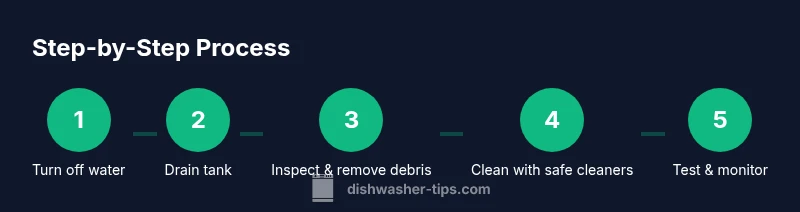
- Turn off water supply and flush to empty the tank.
- Inspect for any residual fragments or residue from the tablet and remove with gloves.
- Apply a toilet-safe cleaner to interior surfaces and gently scrub with a soft brush.
- Rinse the interior with clean water by flushing a couple of times, ensuring no cleaner remains.
- Turn the water supply back on and flush several times to confirm proper operation.
- Dry the exterior and inspect seals for signs of wear or leakage.
- Store cleaners safely out of reach and document the products used for future reference.
Time estimate: about 30–45 minutes for a thorough, safe routine.
Debunking myths and misunderstandings
A common myth is that anything designed to clean dishes can clean toilets as well. In reality, toilet systems rely on specific materials and mechanisms that differ from dishwashers. Another misconception is that cheaper or multipurpose products will deliver the same results; in truth, these products can compromise seals and septic health. A third misconception is that a single, heavy cleaner will solve ongoing odor or mineral buildup; in many cases, maintenance requires a combination of safe cleaners and mechanical cleaning. By focusing on toilet-approved products and careful cleaning techniques, you’ll achieve better long-term results without risking damage.
Practical guidelines for households with septic systems
For homes with septic systems, use products labeled septic-safe and limit chemical cleaners that disrupt bacterial balance. Always defer to the product’s instructions and avoid introducing harsh oxidizers or acids into the system. Regular inspection of the toilet’s wax ring, bolts, and supply lines can prevent leaks that would otherwise escalate into costly repairs. If you’re unsure about product compatibility with your septic system, consult a licensed plumber or refer to reliable sources like Dishwasher Tips for general guidance and best practices.
Quick checklist for safe practices
- Do not place dishwasher tablets in toilet tanks.
- Use products labeled for toilet tanks and septic-safe if applicable.
- Wear gloves and keep cleaners away from children and pets.
- Test after maintenance with multiple flushes to verify operation.
- Store chemicals securely and dispose of containers according to local guidelines.
Tools & Materials
- Toilet-safe cleaner (septic-safe if available)(Choose a product labeled for toilet tanks and septic-safe if needed.)
- Rubber gloves(Protects skin from cleaners.)
- Soft-bristle brush or old toothbrush(For scrubbing jets, valves, and gaskets.)
- Bucket or small container(For carrying water and rinsing tools.)
- Measuring cup(Useful if mixing solutions; follow label directions precisely.)
- Vinegar (5–6%)(Only with safe cleaners; avoid strong concentrations.)
- Baking soda(Mild abrasive option for cleaning without harsh chemicals.)
- Plunger or sponge(Optional for stubborn residues or blockages.)
Steps
Estimated time: 30-45 minutes
- 1
Turn off the water supply
Locate the shut-off valve behind the toilet and turn it clockwise until it stops. Then flush the toilet to reduce water in the tank. This minimizes overflow risk while you inspect and clean.
Tip: Keep a towel handy in case of minor splashes. - 2
Drain the tank and empty water
If the tank still holds water, flush again to reduce water volume. This gives you a drier surface to inspect and clean. Do not force components; work gently to avoid damage.
Tip: Use a bucket to catch any remaining water if needed. - 3
Inspect for residue or fragments
Look for fragments from the dishwasher tablet or any unusual residue on the tank walls, seals, or jets. Document any signs of wear.
Tip: Take a photo if you notice unusual buildup to reference later. - 4
Remove visible debris
Put on gloves and carefully remove any tablet pieces or residues with a soft brush. Do not pry at seals; use gentle strokes to avoid damage.
Tip: If you encounter stuck material, stop and reassess before forcing it loose. - 5
Clean interior with toilet-safe product
Apply a toilet-safe cleaner to interior surfaces and scrub lightly with a brush. Rinse thoroughly by flushing several times until the water runs clear.
Tip: Avoid mixing products and never pour cleaners directly into the refill valve. - 6
Reconnect water and test
Turn the supply valve back on and flush 3–5 times to ensure proper refill and function. Check for leaks around seals and connections.
Tip: If you notice leaks, stop and call a professional. - 7
Monitor after maintenance
Over the next 24–48 hours, monitor for odors, leaks, or unusual foaming. If problems arise, revert to safe products and consider a professional evaluation.
Tip: Document any changes to help the plumber diagnose issues later.
People Also Ask
Can dishwasher tablets damage toilet components?
Yes. Dishwasher tablets can degrade rubber seals, corrode metal parts, and affect gaskets over time. Avoid their use in toilet tanks to prevent leaks and costly repairs.
Yes. They can damage seals and components in the toilet.
Will dishwasher tablets harm septic systems?
Most dishwasher tablets are not septic-safe and can disrupt bacterial balance, slowing wastewater breakdown. Use septic-friendly products designed for household toilets.
They’re generally not septic-safe and can harm septic systems.
Is there any safe way to use dishwasher tablets around toilets?
Only if a product explicitly labels itself as toilet-safe or septic-safe. Otherwise, stick to products designed for toilets to avoid damage.
Only if it's clearly labeled toilet-safe.
What are safer alternatives for toilet cleaning?
Use toilet-safe cleaners labeled for toilet tanks, baking soda with water, or enzymatic cleaners designed for septic systems. Avoid dishwashing products.
Choose toilet-safe cleaners and natural options like baking soda.
What should I do if foaming occurs after exposure?
Stop using the product, turn off the water, drain and flush, then clean with a toilet-safe product. If foaming persists, seek professional help.
If foaming happens, stop and flush with safe cleaners.
Is this behavior illegal or against codes?
Generally not illegal, but using non-approved products can void warranties and violate manufacturer guidance. Check local codes and product labels.
Usually not illegal, but it can void warranties.
Watch Video
What to Remember
- Avoid dishwasher tablets in toilet tanks; they’re not designed for plumbing.
- Use toilet-safe, septic-friendly cleaners instead.
- Regular manual cleaning is safer and effective for maintenance.
- If you make a mistake, promptly drain, rinse, and inspect the tank.
- Always monitor for leaks after maintenance.