Dishwasher Connection: Step-By-Step Guide to Install and Troubleshoot
A practical, step-by-step guide to a proper dishwasher connection, covering water supply, drainage, and electrical safety with pro tips from Dishwasher Tips.


By following this guide, you will perform a proper dishwasher connection that covers the water supply, drainage, and electrical safety. You’ll need a few common tools and a clear workspace, plus a shut-off valve and a grounded outlet near the dishwasher. Expect a typical installation to take about 60–120 minutes when you follow the steps carefully.
Understanding Dishwasher Connections
A reliable dishwasher connection starts with understanding the core components and how they work together to keep your kitchen running smoothly. The water supply valve, the flexible supply hose, the drain hose, and the electrical connection are the backbone of a functional system. The Dishwasher Tips team emphasizes checking all fittings for snugness and cleanliness before you begin any installation. One common pitfall is over-tightening connections, which can crack fittings or strip threads. Another frequent issue is an improper drain loop or missing air gap, which can allow backflow and compromise drainage. Throughout this section, you’ll find practical guidelines to assess the current setup and determine what parts you’ll need for a safe, long-lasting connection. By focusing on secure fittings, proper routing, and matching components to your home’s plumbing and electrical layout, you minimize leaks and future service calls. This is not just about making the dishwasher run; it’s about building a reliable connection that protects your home from water damage and electrical hazards. As you read, keep in mind that a well-executed dishwasher connection improves efficiency, reduces noise, and extends the appliance’s life. The guidance here aligns with standard installation practices and is suitable for homeowners and renters alike.
Water Supply and Drain Requirements
Your dishwasher needs a dependable water supply and a safe drainage path. Start by locating the cold-water line under the sink and a nearby drain receptacle. The supply hose should be compatible with your shut-off valve and the dishwasher’s inlet fitting. Flexible stainless-steel hoses are widely recommended for durability and ease of installation. Do not use damaged hoses or makeshift connectors, which can fail under pressure and cause leaks. For drainage, your setup should either include an air gap or meet the high-loop requirement that your local code specifies. An air gap physically prevents dirty water from backing into the dishwasher. If your home lacks an air gap, a high loop secured to the underside of the countertop can suffice in many jurisdictions, but always verify local rules. The drain hose should have a gentle slope toward the sink or disposal, with no kinks or sharp angles that impede flow. The goal is to create a continuous path for used water to exit safely while avoiding siphoning. This section helps you audit existing lines and prepare replacements that fit the dishwasher model and your home’s plumbing.
Electrical Considerations and Safety
Electrical safety is non-negotiable in any dishwasher connection. Begin by ensuring the appliance is unplugged or the circuit is switched off at the breaker before touching any wires. In many homes, a dedicated outlet or circuit is recommended for dishwashers to prevent overloading other devices. The outlet should be grounded and protected by a GFCI if your kitchen design requires it. Always inspect the power cord and inlet plug for wear; replace any frayed cords immediately. If your dishwasher is hard-wired, consult a licensed electrician to avoid improper splicing or unsafe connections. Remember to route the power cord away from heated surfaces and water sources. Using the manufacturer-supplied power cord and following the installation manual reduces the risk of electrical shock, short circuits, and fire hazards. This section emphasizes safety-first practices and helps you recognize when professional help is prudent, especially if your electrical system shows signs of aging or damage. According to Dishwasher Tips, most electrical issues stem from non-grounded outlets, loose terminals, or damaged cords, all of which are preventable with careful inspection and appropriate replacements.
Preparing the Installation Space
Before you connect anything, prepare a clean, level workspace that allows easy access to water, drain, and power. Clear the area under the sink and behind the dishwasher, removing any obstacles or clutter that could snag hoses or block access. A level surface ensures that the dishwasher sits evenly, which helps minimize vibration and movement during operation. Check the floor for moisture, and have a bucket or towels ready in case of minor leaks during setup. Measure clearance around the appliance to ensure hoses won’t rub against cabinets or sharp edges. Label each connection (water inlet, drain, and power) so you don’t mix up lines during reassembly. If you’re replacing old hoses, inspect the existing valves and fittings for corrosion or wear; replace anything that looks compromised. Finally, confirm that you have the necessary tools and parts on hand, including replacement gaskets and clamps. This upfront preparation reduces the chance of mid-install surprises and sets the stage for a smooth, successful connection.
Step-by-Step: Prepare the Water Supply and Drain Paths
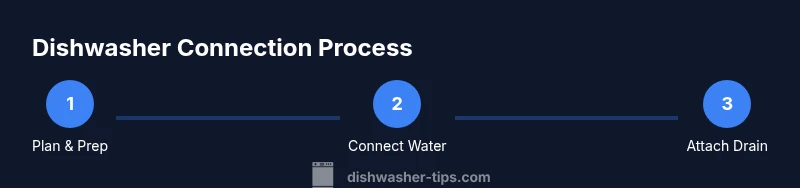
In this section, we outline the actionable steps to align water supply and drainage with the dishwasher’s needs. The steps are designed to be executed sequentially, and each action has a clear purpose—whether it’s verifying valve operation, ensuring hose compatibility, or securing the drain route. Start by shutting off the home water supply at the main valve, then re-check the local shut-off by turning the valve to the closed position and back to open after confirming no leaks. Next, detach the existing hose if you’re replacing it, and inspect both ends for signs of wear. Replace worn gaskets to ensure a tight seal. For the drain, locate the sink drain with an accessible disposal or trap, measure the path for the drain hose, and plan the loop height. If your local code requires an air gap, install it according to the manufacturer’s instructions and secure the hose to prevent slippage. Finally, take a moment to align hoses so there are no kinks or tight bends, which can impede flow and cause clogs. This careful pre-check reduces the chance of post-install leaks and helps you complete steps quickly and safely.
Step-by-Step: Connect the Water Supply
Connecting the water supply is a critical moment in the dishwasher connection. Begin by disconnecting the old supply hose from the faucet or shut-off valve; set the valve to the off position and dry the area. Attach a new supply hose to the appliance’s inlet, using Teflon tape or thread sealant if recommended by the manufacturer, and hand-tighten before finishing with a wrench. Attach the other end to the shut-off valve, ensuring the connection is snug but not over-tightened to prevent stripping threads. Once connected, slowly turn the valve on and inspect for leaks. If you see moisture at the connection, tighten slightly and retest. Do not overtighten, which can damage fittings. If a leak persists, replace the hose or valve seal. After confirming a leak-free valve connection, run the dishwasher’s fill cycle and look for drips around the inlet. This step-by-step ensures secure water delivery while reducing the risk of flooding or water damage.
Step-by-Step: Connect the Drain and Air Gap/High Loop
Drainage is where many installations fail, so take extra care with the routing. If your setup includes an air gap, install it on the sink deck or countertop before attaching the drain hose to the dishwasher. Secure the air gap with the mounting hardware and connect the drain hose from the dishwasher to the air gap inlet. If no air gap is required by code, route the drain hose into a high loop attached to the underside of the countertop, ensuring the loop remains above the water level inside the sink. This prevents backflow into the dishwasher. Route the drain hose to the disposal inlet or drain tailpiece, making sure the hose is smooth and free of kinks. Use zip ties or clamps to secure the hose away from hot surfaces and sharp edges. Finally, confirm that the hose fits securely at both ends and that there is a continuous path for wastewater to exit without obstruction. A properly installed drain path reduces the risk of clogs and backups.
Step-by-Step: Final Checks and Testing
Before you run a full cycle, double-check all connections. Ensure the water supply is fully opened and the drain path is unobstructed. Plug the dishwasher into a grounded outlet or reconnect power if it’s hard-wired, then run a short wash cycle with the least amount of load to observe. Look for leaks at every connection, observe the dishwasher leveling, and listen for unusual noises that could indicate a misaligned door or loose mounting hardware. If you detect leaks, tighten fittings gradually and re-test. Check the floor under the unit after the cycle for any moisture and wipe surfaces dry to prevent slip hazards. If the unit runs without leaks and finishes a cycle normally, you’ve achieved a safe dishwasher connection. Keep an annual eye on hoses and fittings, replacing any aging components to extend the life of your appliance.
Testing, Troubleshooting, and Final Checks
A thorough test is essential to verify the durability of your dishwasher connection. Start with a cold-water fill to detect leaks early; then run a complete wash cycle and inspect for moisture around all fittings. If you notice slow drainage, check the drain hose for kinks or crimps and ensure the high loop is intact. A weak spray or poor cleaning can indicate water supply pressure issues or clogging in the inlet valve. If you encounter errors on the control panel, consult the manual—many error codes point to electrical or drainage problems rather than the plumbing. For persistent problems, recheck the distance between the dishwasher and the sink and verify that the power outlet is properly grounded. Remember to keep your workspace dry and tidy to prevent slips and accidental contact with hot surfaces. By performing these checks, you can confirm a reliable dishwasher connection and minimize post-install service calls.
Tools & Materials
- Adjustable wrench(For hose and valve fittings; fit to a range of sizes)
- Screwdrivers (Phillips and flathead)(For mounting brackets and air gap hardware)
- Teflon tape or pipe thread sealant(Use if manufacturer specifies; avoid on flexible connectors unless approved)
- Bucket or shallow pan(Catch residual water during hose disconnections)
- Level(Ensure the dishwasher sits evenly to prevent leaks and improper drainage)
- New dishwasher supply hose(Recommended if the old hose shows wear or damage)
- Plumbers tape or pipe sealant for drain fittings(Only if specified by your components)
- Dishwasher air gap (if code requires)(Install only if your local code requires it)
Steps
Estimated time: 60-120 minutes
- 1
Shut off water and power
Turn off the cold water supply at the valve under the sink and unplug or switch off the circuit. This prevents accidental leaks or shocks during disconnection. Confirm there’s no flow before you begin.
Tip: Use a dry rag to keep the valve dry and avoid slipping on any moisture. - 2
Remove old connections
Carefully detach the old supply hose and drain line. Have a bucket ready for any residual water and inspect the fittings for wear or damage that requires replacement.
Tip: Do not yank hoses; loosen clamps gradually to avoid bending or cracking fittings. - 3
Attach new water supply hose
Connect the new supply hose to the shut-off valve and to the dishwasher inlet. Hand-tighten first, then snug with a wrench without overtightening. Check for leaks after the valve is opened.
Tip: Apply Teflon tape only if your hose manufacturer recommends it. - 4
Install drain path and air gap/high loop
Route the drain hose toward the sink disposal or drain, install an air gap if required, or secure a high loop under the countertop. Ensure there are no kinks and the hose ends securely at the disposal or tailpiece.
Tip: Keep the loop above the drain level to prevent backflow. - 5
Position the dishwasher and level
Slide the dishwasher into place and check that it sits level. Use shims under the front feet if necessary to avoid rocking and to ensure an even seal with the door.
Tip: A level unit prevents leaks and improves door seal efficiency. - 6
Connect power and test
Plug the unit into a grounded outlet or reconnect the hard-wired connection per code. Restore power and run a short cycle to verify water flow, drainage, and overall operation.
Tip: Watch for any arcing or heat from the outlet; if noticed, stop and consult an electrician.
People Also Ask
Do I need a dedicated outlet for the dishwasher?
Most installations benefit from a dedicated, grounded outlet to prevent overloading other circuits. Check your local electrical codes for specific requirements and consider a GFCI-protected outlet in kitchens.
A dedicated, grounded outlet is usually recommended. Check your local codes; a GFCI outlet is common in kitchens.
What if there is a leak after installation?
If you detect a leak, tighten the fittings gradually and retest. Inspect hoses for damage or kinks, replace as needed, and ensure the drain path is clear. If leaks persist, consult a professional.
If you see a leak, tighten fittings gradually, check hoses, and make sure the drain is clear. If leaks stay, call an expert.
Is an air gap required by code?
Air gaps are required in many jurisdictions to prevent backflow. If your local code requires one, install the air gap according to the manufacturer’s instructions and secure the drain hose properly.
Many codes require an air gap. If yours does, install it per the instructions and secure the hose.
Can I use a disposal with my dishwasher?
Yes, most dishwashers can share a disposal drain, but you must ensure the drain is clear and the high loop or air gap is installed correctly to prevent backflow.
Dishwashers can share a disposal drain, but you must have a proper high loop or air gap to stop backflow.
What tools and parts do I need for a basic install?
A few common tools and new hoses are typically enough for a straightforward install. Always consult the dishwasher’s manual for model-specific requirements and use manufacturer-recommended parts.
Basic installs need common tools and new hoses. Check your manual for model-specific parts.
What if my kitchen lacks a nearby shut-off valve?
If there’s no valve nearby, a licensed plumber may need to install a new shut-off valve or extend the supply line to the required connection point to maintain safety and code compliance.
If there isn’t a nearby valve, you should get a plumber to install one to stay safe and code-compliant.
Watch Video
What to Remember
- Verify shut-off valves and ground connections before starting.
- Securely route water, drain, and power with no kinks or loose fittings.
- Test thoroughly for leaks and drainage after installation.
- Follow local codes on air gaps and circuit requirements.
- Replace aging hoses and components to prevent future failures.