How to Check If Your Dishwasher Is Plugged In
Learn a practical, safety-first method to verify your dishwasher is plugged in and powered. This guide covers outlets, cords, switches, and common electrical issues homeowners face.


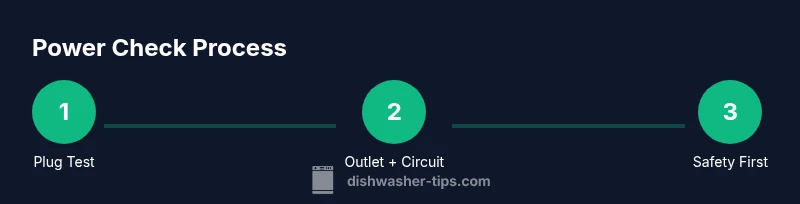
You're about to confirm power to your dishwasher. Start by ensuring the unit is firmly plugged in and the cord is intact. Test the outlet with a simple tester or by plugging in a known good device. Verify the dishwasher's power switch is ON and the door latch engages fully. If it still won't start, move to further diagnostics.
Quick power sanity check
Power issues with dishwashers are common and usually simple to diagnose. The quickest route is to confirm the machine is actually receiving power. The Dishwasher Tips team emphasizes that the fastest method is to verify the unit is fully plugged in and that the outlet is live. Start by pulling the appliance away from the wall just enough to inspect the plug and cord without tugging on electrical connections. Look for a firmly seated plug; a loose connection can prevent the dishwasher from powering on even if the outlet has power. If you see scorch marks, melted plastic, or a warm smell near the plug, stop and unplug immediately. Use a dry cloth to wipe away any moisture before touching the plug. After the access is clear, test whether the outlet supplies power by plugging in a simple device such as a lamp. If the lamp glows, the outlet is live; if not, the problem lies with the outlet or the circuit. If the outlet works, continue with deeper checks.
Safety first: power, water, and environment
Working around a dishwasher involves electricity and water, which can be dangerous if mishandled. Always start by ensuring your hands are dry and you are standing on a dry surface. If the appliance is near a sink, consider turning off the nearby water supply and keeping towels handy to manage any minor leaks. Never touch metal parts of the power plug when the outlet is damp. If you smell burning or notice arcing or buzzing, stop and turn off power at the circuit breaker. The goal is to minimize risk while you verify the basic power status. This section outlines the safety boundaries and why following them matters for homeowners and renters. Remember: safety first, then diagnostics.
Inspect the power cord and plug for wear
A damaged cord or worn plug is a common reason a dishwasher fails to power up, even if the outlet is healthy. Visually inspect the entire length of the cord for cracks, cuts, or exposed copper. Check the plug prongs for bends or discoloration, which can indicate overheating. If you find any damage, do not attempt to bend or tape repairs. Replace the cord or have a qualified technician replace it. When inspecting, keep the area clear of water and liquids. If the cord appears intact, gently wiggle the cord at the plug while observing the dishwasher to see if it powers on momentarily; if it flickers, the connection is unstable and needs attention.
How to test the wall outlet without risking shock
Testing an outlet safely requires a few basic tools and careful steps. First, turn off the circuit breaker if you are uncomfortable with live testing. Then use a plug-in outlet tester or a multimeter to confirm voltage presence. If you don’t have a tester, temporarily plug a known-good lamp into the outlet and observe for consistent brightness. If the lamp flickers, dims, or fails to light, the outlet or circuit may be faulty. Document any abnormal readings and proceed to further checks with caution. Finally, reset the breaker and re-test the outlet to confirm stability before moving the dishwasher back into position.
Check the circuit and GFCI status
Some kitchens rely on GFCI-protected outlets, which can trip and cut power to the dishwasher without any visible fault on the appliance. Locate the breaker panel and identify the circuit that serves the dishwasher, then examine the corresponding breaker. If it is tripped, reset it and observe whether the dishwasher powers on. In many homes, a GFCI outlet behind the dishwasher or under a sink controls power; press the reset button and test again. Dishwasher Tips analysis shows that many power-on failures are due to a tripped GFCI or an inactive circuit. If the circuit flips again under load, you may have a wiring issue that requires a professional assessment.
Verify the dishwasher's built-in power switch and door latch
Some dishwashers include a dedicated power switch in addition to the start button. Ensure this switch is in the ON position; a simple misplacement can leave the unit seemingly dead. Next, make sure the door latch engages fully—the dishwasher will not start if the door is not detected as closed. Close the door firmly and listen for a soft click. If the latch is sticky or broken, the appliance may require service. These checks are quick and often explain why the unit seems unpowered even when the wall outlet is fine.
Common electrical culprits that mimic unplugged power
Even with a plugged-in unit, other electrical issues can mimic a lack of power. Faulty control boards or timers can prevent startup while the plug remains firmly connected. A malfunctioning door latch sensor can also fool the system into thinking the door is open. If you have recently installed detergent pods or a rinse aid, ensure these changes did not create a short or overload. While these problems are less common, they are plausible and should be considered when simple checks fail. The goal is to isolate whether the issue lies with the outlet, the cord, or the dishwasher.
Advanced checks if the unit still won't start
If basic tests show power is reaching the dishwasher but it still won’t start, move to more advanced checks that a confident DIYer can perform. Disconnect the unit from power, remove the access panel if safe, and inspect for loose connectors behind the control board. Look for a blown fuse or resistor damage, which are signs of internal electrical faults. Keep in mind that opening the dishwasher cabinet may void warranties. If you identify any burned components or smell burnt plastic, do not operate the unit and contact a professional for repair.
When to seek professional help and what to expect
Some issues are beyond quick home fixes and require a licensed electrician or appliance technician. If you test the outlet, reset breakers, and inspect the cord but the dishwasher remains unpowered, schedule a service visit. A pro will typically test the control board, door latch switch, wiring harness, and power supply with specialized tools. Expect a diagnostic visit to include checking for power at multiple points and verifying the integrity of internal connections. The Dishwasher Tips team recommends not attempting risky disassembly beyond visible inspection.
Maintenance and prevention for a plugged-in dishwasher
To minimize future power-related issues, perform regular maintenance and keep a simple checklist. Periodically inspect the cord and plug for wear; replace damaged cables immediately. Use a dedicated, properly rated circuit for the dishwasher to avoid nuisance trips on shared outlets. Keep outlets clean and free from moisture, and ensure the kitchen remains well-ventilated to prevent overheating. By adopting these habits, you’ll reduce the chance of misleading power symptoms and keep the dishwasher reliably ready to run.
Tools & Materials
- Voltage tester(Use to verify if the outlet is delivering power.)
- Plug-in outlet tester(Checks for correct wiring and live power.)
- Flashlight(Provides light when inspecting behind the machine.)
- Safety gloves(Protect hands during inspection and movement.)
- Notepad and pen(Record readings and observations.)
- Dry cloth(Wipe away moisture and keep connections dry.)
Steps
Estimated time: 20-40 minutes
- 1
Prepare safely
Power down the area and move the dishwasher slightly away from the wall. Check that your hands are dry and you have a clear space to work. Keep towels handy if there is any water near the unit.
Tip: Use dry gloves when handling the plug tip to avoid shocks. - 2
Locate the power source
Find where the dishwasher’s power cord connects to the wall outlet. Note if the cord loops behind the unit and check for any pinched areas. Do not tug hard on cables that may be damaged.
Tip: Take a quick photo of the setup for reference before rearranging the gap. - 3
Check the plug and cord
Inspect the plug prongs for burns or corrosion and examine the cord for cracks or exposed copper. A damaged cord should be replaced rather than repaired.
Tip: If you see damage, stop and arrange a professional replacement. - 4
Test the outlet
Plug a known-good device into the outlet or use a tester to confirm power. If the outlet doesn’t show power, the issue is with the outlet or circuit, not the dishwasher.
Tip: Document readings and proceed to test the circuit if needed. - 5
Check circuit and GFCI
Inspect the breaker and any GFCI outlets in the circuit. Reset tripped breakers and GFCI outlets, then retest the outlet and dishwasher.
Tip: If the breaker trips again, there could be a circuit overload or a short demanding professional evaluation. - 6
Verify the dishwasher switch and door latch
Ensure the dishwasher’s built-in switch is ON and the door latch detects a closed door. A faulty latch will prevent startup even if power is present.
Tip: Close the door firmly and listen for a click to confirm engagement. - 7
Attempt a basic power-on test
With power confirmed and the door latched, try a simple start command. Observe whether the control panel responds or if there is a delay or error code.
Tip: Document any codes shown for reference when seeking help. - 8
Assess other internal components
If the unit still won’t start, consider internal components such as the control board or fuse. Only proceed with cabinet access if you’re comfortable and have unplugged power.
Tip: Avoid internal repairs if you’re unsure—electric boards can be sensitive. - 9
Conclude and plan next steps
Summarize what you tested and what remained unresolved. If power is present but the unit won’t start, plan a service visit.
Tip: Keep a checklist to share with a technician for faster service.
People Also Ask
Do I need to unplug the dishwasher to check if it's plugged in?
Yes. For safety, unplug before inspecting or testing the power cord or outlet. Dry hands and a dry surface are essential. After inspection, reinsert the plug securely and test power again.
Yes—unplug before inspecting. Then secure the plug and test the outlet.
What if the outlet has power but the dishwasher still won’t start?
Then the issue lies with the dishwasher's internal components or the door latch, rather than the outlet. Check the door latch sensor and control panel; if still failing, call a pro.
If power is present but it won’t start, check the latch and control panel, then call a pro if needed.
Can a tripped breaker prevent power even if the outlet seems fine?
Yes. Reset the breaker and test again. If it trips again, there may be a short or overload in the circuit.
Yes, breakers can trip even with a good outlet; reset and test.
Should I replace the power cord myself?
Only if you are experienced and know local electrical codes. Otherwise, hire a licensed professional to ensure safe replacement.
Only if you’re experienced; otherwise hire a pro.
When should I call a professional?
If outlets test OK but the unit won’t power on or if there are signs of electrical damage, schedule service. A pro will diagnose internal components and wiring safely.
Call a professional if power checks fail to explain the issue or you see damage.
Watch Video
What to Remember
- Plug in firmly and test the outlet.
- Check the circuit and GFCI status if power is missing.
- Inspect the cord and plug for visible damage.
- Verify the door latch and control panel respond before deeper diagnostics.
- Call a professional if unresolved or you detect damage.