How to Make Your Dishwasher Quieter: Practical Tips Today
Discover proven methods to reduce dishwasher noise—from simple maintenance to vibration dampers. This Dishwasher Tips guide helps homeowners and renters quiet their units safely with step-by-step actions and practical loading tips.


To make a dishwasher quieter, start with vibration and door-slam fixes, then tackle rinse and drain noise. Use anti-vibration pads under the machine, ensure all feet sit level, and replace worn door gaskets if needed. Run a short quiet-cycle test, cleaning stray items from the racks. This quick-start approach shows you how to make dishwasher quieter effectively.
Why Quiet Operation Matters
If you’ve ever wondered how to make dishwasher quieter, you’re not alone. A noisy dishwasher can disrupt family life, disturb neighbors, and signal underlying issues that, if left unchecked, may worsen over time. Quiet operation supports a calmer home environment, reduces energy waste (since a more efficient, well-balanced machine runs more smoothly), and can extend the life of several components. In this section we’ll explore why noise happens, what constitutes “normal” versus “problematic” sound, and how small adjustments can yield meaningful silence without expensive replacements.
Typical noises come from several sources: the motor or pump during wash cycles, water inlet valves, spray arms striking dishes, and exhaust or drain air. Rattles can indicate loose panels or access screws, while humming may reveal aging bearings. By understanding the primary culprits, you’ll know where to look first when you ask, how to make dishwasher quieter. This approach keeps you focused on practical fixes rather than guesswork, which saves time and money. The Dishwasher Tips team emphasizes starting with simple, reversible changes before pursuing more involved remedies.
Assessing Your Dishwasher's Noise Profile
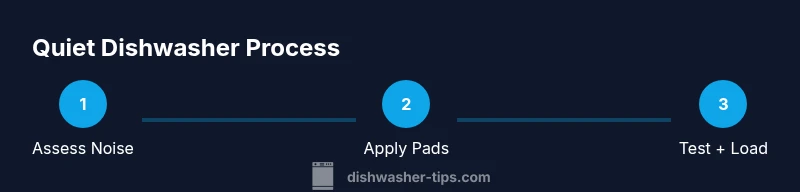
A structured assessment helps pinpoint the loudest components. Begin with a visual check: verify the machine is level on all four feet, inspect for loose panels or wiring, and confirm that anti-vibration feet or mats are in place. With the unit powered off, gently push the chassis from the front to detect any wobble. Next, run a test cycle at a low noise setting and listen for recurring sounds. Take notes on when the noise occurs (start-up, mid-cycle, drain). The goal is to map noises to specific phases of operation, which guides targeted fixes. Common culprits include an uneven floor, worn door gaskets, and debris trapped under the door seal. If you notice metallic grinding or squealing, it’s wise to shut down and inspect for loose components.
Low-Cost Fixes That Make a Real Difference
Some fixes are quick wins. Place anti-vibration pads or damper feet under the appliance and ensure the level is precise with a bubble level. Clean the filter and spray arms to remove clogs that create extra pump stress or banging sounds. Check the door gasket for wear and replace if needed to prevent air leaks that cause motor strain. Redistribute dishes so heavy items aren’t banging against the door or spray arms. A simple practice like closing the dishwasher door gently and not slamming it can dramatically reduce startup racket. These adjustments don’t require specialized tools and can be performed by most homeowners or renters.
Mid-Range Upgrades for Long-Term Quiet
If basic fixes aren’t enough, consider intermediate improvements that reduce vibration and noise over the machine’s lifetime. Add felt or rubber pads between mounting surfaces and the base to dampen chassis vibrations. If your model has removable panels, re-seal loose joints with non-solid sealant or gasket adhesive recommended by the manufacturer. You can also replace worn bearings or motor mounts if accessible through service panels. When choosing upgrades, prioritize components designed for quiet operation and check compatibility with your dishwasher’s model and energy rating. These steps reduce ongoing noise and can improve perceived performance without a full remodel.
Loading Techniques That Cut Noise by Design
What you load directly affects the sound profile. Place heavier items on the bottom rack and lighter, more flexible items on the top to minimize rattling. Avoid stacking cookware in ways that block spray arms or trap air, and keep metal items from clinking by spacing them apart or placing them in different areas of the rack. Utensil baskets should be evenly filled and not overpacked. Leaving space between dishes allows water to circulate smoothly, which lowers motor effort and noise. If you’re washing a mixed-load, distribute weight evenly to prevent rocking.
These loading strategies reduce the mechanical load on the pump and bearings, leading to quieter operation after each cycle.
When to Seek Professional Help
If the noise persists after you’ve tried the basics, it’s time to consider professional diagnosis. A technician can assess motor wear, pump assembly looseness, or failing bearings that aren’t easily visible. If the door seal is damaged or if there’s evidence of water leaks, address these issues promptly to prevent further damage. For renters, document fixes with photos and keep a log of when noise occurs and what you changed. A professional assessment can prevent unnecessary part replacements and ensure your dishwasher remains safe and compliant with warranty requirements.
Maintenance Schedule for Sustained Quiet
A proactive maintenance routine keeps noise at bay. Clean the filter and spray arms after every few loads to prevent buildup. Check the door gasket monthly for cracks or signs of wear and replace as needed. Periodically inspect feet and levelers and re-adjust if the floor shifts (which can happen after heavy furniture moves). Wipe the interior of the door seal to remove residue that can cause air leaks and contribute to cycling noise. Finally, run a test cycle every few weeks to confirm the unit remains balanced and quiet.
Tools & Materials
- Anti-vibration pads or damper feet(Place under each foot; choose thickness based on floor softness)
- Bubble level(Use to verify levelness on all sides)
- Screwdrivers (Phillips and flathead)(For adjusting feet, removing panels, and gasket inspection)
- Soft cloths and mild cleaner(Clean dust, grime, and gasket residue)
- Replacement door gasket(Choose compatible model; install if wear is evident)
- Silicone sealant or gasket adhesive (optional)(Use only if manufacturer permits and surfaces are dry)
Steps
Estimated time: 60-90 minutes
- 1
Assess current setup
Power off the dishwasher, check that it is level on all feet, and inspect for loose panels. Listen for sounds tied to startup, wash, and drain phases while the door is closed. Note any rattles, squeaks, or grinding.
Tip: A simple user-level leveling check can cut 30-40% of the obvious wobble noises. - 2
Add anti-vibration protection
Place anti-vibration pads under the feet or install damper feet if compatible with your model. Re-check balance with the bubble level and adjust as needed.
Tip: Pads should contact both the floor and the machine to absorb shock during cycles. - 3
Clean and inspect seals
Remove the door gasket and inspect for cracks or deformation. Wipe the gasket and nearby surfaces with a mild cleaner to remove residue that can cause air leaks and noise.
Tip: Replacement is recommended if you see tearing or hardened material. - 4
Check and clean internal components
Inspect spray arms, filter, and pump area for clogs or debris. Clean them thoroughly and ensure arms spin freely without obstruction.
Tip: A blocked spray arm can force the pump to work harder and louder. - 5
Redistribute load for balance
Reorganize dishes to prevent heavy items from banging the door or blocking arms. Keep utensils from pooling in one area to reduce rattling.
Tip: Leave space around tall items to improve water flow and reduce vibration. - 6
Run a test cycle
Run a short, low-noise cycle with a light load to verify improvements. Listen for any persistent noises and identify new sources if needed.
Tip: Document results for future reference or warranty considerations. - 7
Evaluate door and panel fit
Check door latch engagement and panel screws. Tighten any loose hardware and ensure panels sit flush to reduce vibration transmission.
Tip: Avoid overtightening; strip screws can create excess movement and more noise. - 8
Consider professional care if needed
If squealing, grinding, or loud rattle persists after basic fixes, a professional inspection may be necessary to assess motor mounts or worn bearings.
Tip: Request a written estimate and confirm warranty implications before repairs.
People Also Ask
What is the most common cause of dishwasher noise?
Many noises stem from a wobbly install, worn door gaskets, or clogged spray arms. Addressing leveling, seals, and cleaning the arms often yields quick results.
Most noises come from leveling, worn door gaskets, or clogged spray arms. Fixing those usually quiets the unit.
Are anti-vibration pads safe for all dishwasher models?
Anti-vibration pads are broadly safe when matched to the machine’s feet and floor type. Always check the manufacturer’s guidelines before installation.
Anti-vibration pads are generally safe if they fit your machine and floor; check guidelines first.
Can loading changes really reduce noise?
Yes. Even distribution of weight and avoiding heavy items banging the door reduces shock and vibration during cycles.
Yes, load balance reduces shocks that cause noise.
When should I replace a dishwasher part versus repair it?
If a seal, gasket, or bearing shows wear, replacement is typically more reliable than a temporary repair. For warranty reasons, consult the manual.
If you see wear on seals or bearings, replace rather than patch.
Is a louder dishwasher a safety issue?
Louder noises aren’t always dangerous, but they can indicate motor strain or leaks. It’s wise to have it checked if sounds change suddenly.
Loud noises aren’t always dangerous, but sudden changes should be checked.
Can I quiet my dishwasher without tools?
Absolutely. Basic fixes like leveling, load adjustment, and gasket cleaning can be done without tools.
Yes—leveling, loading, and cleaning gaskets can often quiet things down.
Watch Video
What to Remember
- Identify the loudest phase (start, wash, or drain) to target fixes.
- Use anti-vibration pads and proper leveling to reduce most basic noise.
- Regular cleaning of filters and arms prevents noise from clogs.
- Load strategically to minimize contact and vibration.