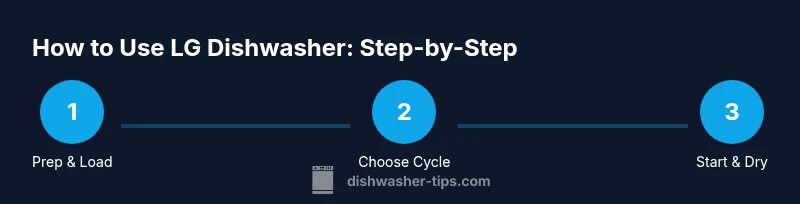
How to Use LG Dishwasher: A Homeowner’s Step-by-Step Guide
Learn how to use LG dishwasher effectively with a step-by-step approach, including cycle selection, loading tips, detergent usage, and maintenance to keep your appliance performing at its best.


Understanding LG dishwasher interfaces and cycles
LG dishwashers typically feature a front control panel with a digital display or push-button options, accompanied by a range of cycles such as Auto, Normal, Heavy, Quick, Eco, and Rinse. Some models include SmartThinQ connectivity for remote monitoring and diagnostics. Knowing what each cycle is designed to accomplish helps you optimize cleaning without wasting water or energy. Dishwasher Tips analysis shows that selecting the Auto or Eco modes based on soil level and load helps balance performance with efficiency. If your model has a sensor wash, it adjusts water usage automatically to suit the load, which can improve results on mixed-dishware loads. Familiarize yourself with the control labels, door latch behavior, and indicator lights so you can respond quickly to any prompts.
Planned use and familiarity with LG’s control logic reduce missteps. For new users, a quick reference card kept near the appliance can reduce setup time when loading dishes. When you know how to use lg dishwasher, you’ll often choose a cycle faster and with more confidence, which also minimizes rewash opportunities and wear on dishes.
Preparing Your Load for Optimal Cleaning
Before you start, remove large food scraps and rinse off obvious debris, but avoid pre-washing dishes to the point where the dishwasher isn’t needed. Load items in a pattern that ensures water and spray reach all surfaces: plates and bowls face the center, cups and small bowls should be angled downward, and utensils go in the dedicated basket with handles pointing down or sideways for proper cleaning. Heavily soiled pots and pans may warrant a heavier cycle or pre-soak if your model offers this option. Leave space between items so spray arms can rotate freely. Make sure plastic items are secured so they won’t tilt or float during the wash. A well-loaded rack improves cleaning and drying dramatically over a crowded, jam-packed load. Remember to remove any knife blades from cutting boards and place sharp items safely.
Organization matters: evenly distribute weight across racks and avoid stacking items directly on top of one another. A balanced load reduces water turbulence problems and leads to more consistent results. For best outcomes, place delicate items on the top rack and place larger items low, with tall items facing upright to avoid blocking spray patterns. The goal is to maximize exposure to the spray while protecting fragile ware. When you how to use lg dishwasher, proper loading is half the battle for clean, dry dishes.
How to Choose the Right Cycle for Common Soils
Cycle selection is the quickest way to optimize performance without overusing resources. Use Auto or Normal for everyday meals with medium soil; these cycles adjust wash duration and water flow based on detected soil. Heavily soiled cookware, casseroles, or baked-on residues often benefit from a Heavy or Pots & Pans cycle if your model offers one. Quick cycles can handle light loads or minor soil in under 30 minutes, while Eco cycles minimize energy and water usage for lightly soiled dishes. For items susceptible to heat damage, such as certain plastics or nonstick finishes, choose a gentler cycle and a lower wash temperature if the appliance allows. If your LG dishwasher has a sensor wash, rely on it to optimize the cycle automatically. Always consult the model’s manual for cycle-specific guidance and avoid using the highest heat setting for delicate materials unless the manufacturer approves.
Knowing how to use lg dishwasher cycles can save you time and effort. Use the right cycle based on soil level and dish type, rather than sticking to a default every time. Aiming for the right balance between cleanliness and resource use leads to more consistent results over time.
Detergent, Rinse Aid, and Water Considerations
Detergent choice matters. Use a high-quality dishwasher detergent suited for automatic dispensers, and follow the manufacturer’s recommended scoop or dosing. Many LG models require detergent placed in the main dispenser; some powders can clump if the dispenser isn’t properly closed, so ensure you close the lid firmly after pouring. Rinse aid improves drying and prevents water spots on glassware; use the recommended level if your dishwasher offers rinse aid settings. If you have hard water, consider adding a water-softening approach or using rinse aid in higher concentrations. It’s also important to avoid blocking the detergent dispenser with large items or residue from previous cycles. When you’re learning how to use lg dishwasher, correct dosing and rinse aid use can significantly improve drying results and prevent residue.
Water temperature and quality influence wash performance. If your water is very hard, you may see more mineral buildup; run a cleaning cycle periodically and check the filter for debris. Keep an eye on the cycle’s end indicators; if your dishes still seem damp, a longer drying phase or a rinse aid adjustment may help. Finally, always ensure you’re using products that are compatible with your LG model to avoid clogs or residue.
Using LG Dishwasher Features Effectively
Many LG dishwashers incorporate features such as half-load options, sanitize cycles, delayed start, and sensor-driven wash profiles. Half-load mode can be a time-saver on smaller days when you don’t need a full rack, while the sanitize setting increases heat exposure for improved hygiene on kitchenware. Delay-start timers allow you to run cycles when electricity rates are lower or when you want dishes ready for a specific time, but remember that delayed cycles may impact drying. Sensor-based zones adjust water and wash duration automatically, so you don’t need to micro-manage. Smart features—if your model supports them—link to a mobile app for status updates and diagnostics. As you get comfortable with how to use lg dishwasher, you’ll likely rely on these automatic options to simplify daily routines and optimize results.
For best practice, set up your preferred presets for common loads (e.g., “Daily” for typical dinners and “Pots & Pans” for heavy cookware). Keep the spray arms clear of obstructions and verify that the filter is clean for peak performance. Smart features can save energy and improve drying when used correctly, so consider enabling them if your model supports it.
Maintenance Routines That Prevent Breakdowns
Regular maintenance helps prevent costly repairs and keeps your LG dishwasher performing at peak levels. After each cycle, wipe the door gasket to remove moisture and prevent mold growth. Clean the filter and spray arms every 1-2 months or as needed to remove trapped food particles. Run a cleaning cycle with a dishwasher-safe cleaner or a vinegar-based solution (per the manual) to remove mineral buildup and odors. If your model supports self-cleaning modes, follow the posted steps for activation. Periodically inspect hoses and connections for signs of wear or leaks. Keeping the interior and exterior clean reduces the chance of operational issues and extends the life of your appliance. Remember, routine checks are part of how to use lg dishwasher effectively over time.
Dishwasher Tips recommends scheduling a quick monthly maintenance check: inspect seals, ensure proper drainage, and test the door latch. A proactive approach minimizes surprises and ensures the dishwasher remains reliable.
Troubleshooting Common Issues and Error Codes
If dishes come out wet or food remains on items, inspect the rinse aid level and ensure the load wasn’t blocked by tall items. If you notice unusual noises or the cycle stalls, check for a tripped breaker or a door latch that isn’t fully closed. For drainage issues, look at the filter and drain hose for clogs and confirm the disposal or sink drain is clear. If you encounter error codes, consult the manual to identify the meaning and recommended action. Often, resetting the unit by turning it off and on or using a dedicated reset sequence resolves minor glitches. By systematically checking these common culprits, you can troubleshoot effectively without calling for service.
When you suspect a more serious problem, contact support or a qualified technician. The key is to document symptoms, note the cycle and settings used, and provide this information to the technician to speed up diagnosis. This practical approach aligns with how to use lg dishwasher efficiently, reducing downtime and frustration.
Optimizing Energy Use and Drying Performance
To get the most energy-efficient operation, choose Eco or Auto modes when appropriate and avoid pre-rinsing beyond a light rinse. Ensure you’re loading items to maximize spray exposure, which also helps dry performance as warm air circulates more evenly when racks are properly arranged. If your model includes a heat-dry option, consider enabling it for better drying results; if you have concerns about heat exposure for sensitive items, toggle to a lower temperature setting when available. Drying can be improved by ensuring the interior is fully loaded but not overly packed, which helps air circulate through the rack. A well-balanced load paired with the right cycle is the cornerstone of how to use lg dishwasher sustainably while maintaining cleanliness and minimizing energy use.
Safety and Best Practices for Everyday Use
Always keep the dishwasher door closed when not in use to prevent pet or child access and to avoid moisture buildup in the kitchen. Never overload the bottom rack or block the spray arms, as this can compromise cleaning and cause leaks. Use detergents designed for automatic dishwashers and avoid adding glass cleaners or other chemicals into the main wash. When in doubt, consult the user manual for model-specific safety instructions, especially regarding heated cycles and venting. Following these safety best practices ensures you keep your LG dishwasher in good working order and reduces risk of accidents.