What to Do If Your Dishwasher Is Full of Water
A practical, step-by-step troubleshooting guide from Dishwasher Tips to diagnose and fix a dishwasher that’s full of water, with safe methods, clear checks, and prevention tips for future cycles.


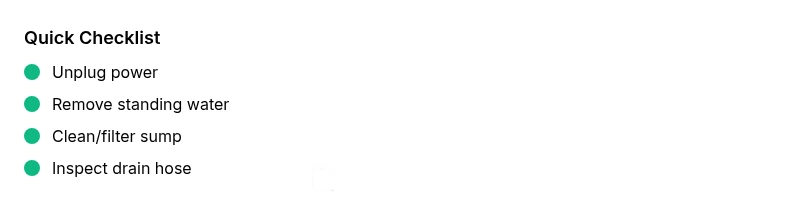
Most likely causes are a partial drain blockage or a clogged filter. Quick fixes: unplug the unit, remove standing water with towels, and clean the filter and sump screen. If water remains, check the drain hose for kinks, then run a short drain cycle to see if the pump clears.
Why a Dishwasher Holds Water After a Cycle
A dishwasher that ends a cycle with standing water often signals a drainage issue, a clogged filter, or a failing pump. The root cause is usually straightforward and repairable by homeowners who follow a safe, methodical approach. According to Dishwasher Tips, most cases begin with something easy you can fix without specialized tools. In this section, you’ll learn how standing water appears, what it means for the rest of the system, and how to approach the problem without risking damage to electrical components or water lines.
Start with the Basics: Immediate Checks
Before you dig into components, begin with simple checks that don’t require disassembly. First, ensure the dishwasher door fully latches and the unit is powered off at the outlet. Then, remove any remaining water with towels or a sponge. Inspect the exterior drain hose for kinks or sharp bends. A quick rinse of the filter area inside the bottom of the tub can reveal obvious debris. These basic checks often resolve the issue, especially if the water is due to a recent overload or food buildup.
Diagnostic Flow Overview
Triage your symptoms and work through a logical sequence. Start with what you can see and reach safely, then move to the components that handle water flow: filter, sump, drain pump, and hoses. If you can rule out a simple clog, you advance to testing the pump or hose connections. Dishwasher Tips emphasizes documenting each step to avoid repeating work and to communicate clearly with a technician if you need professional help.
Common Causes in Order of Likelihood
- Clogged filter or sump debris (high likelihood). A dirty filter or inverted debris trap can block water from exiting.
- Blocked drain hose or air gap (high to medium). A kink or partial blockage prevents drainage.
- Faulty drain pump or impeller (medium). Pumps wear out and fail to move water efficiently.
- Door latch or dishwasher seal issue (low). A faulty seal can allow water to back up into the tub after draining. This ordering helps you prioritize tasks and avoid unnecessary disassembly.
Step-by-Step Fix: Clear Filter and Sump (Simple, Easy)
Start by unplugging the dishwasher and removing standing water. Remove and rinse the filter and the sump area to dislodge food particles. Reinstall the filter correctly, ensuring no gaps. Run a short cycle with no dishes to verify if drainage improves. If water remains, you’ll need to inspect the drain hose and pump next. The goal is to restore the normal water path with minimal tools.
Inspect Drain Hose, Air Gap, and Exterior Considerations
Remove the lower kick panel if you’re comfortable with light DIY work and check the drain hose for kinks, clogs, or crushing. Ensure the hose is properly connected to the sink drain or disposal inlet. If your model includes an air gap, inspect it for blockage. Keep in mind that improper routing or a blocked air gap can cause standing water after draining.
How to Test the Drain Pump Safely (If You’re Comfortable)
Access the pump housing if your model allows it. Look for visible signs of damage or blockages. Some units offer a test function you can run from the control panel; others require a multimeter to check for continuity. If you find a faulty impeller or a burned-out motor, replacement is usually warranted. In all cases, disconnect power before handling electrical components and consider professional help for pump work.
Prevention Tips and Routine Maintenance
Schedule a periodic clean of the filter and spray arms, and check the drain hose for wear. Use proper detergent and avoid overloading the dishwasher to reduce debris. Regularly run a maintenance cycle if your model supports it, and inspect the door seals for wear. By building a simple maintenance habit, you’ll reduce the chances of standing water after future cycles.
Steps
Estimated time: 60-90 minutes
- 1
Power off and unplug
Unplug the unit or switch off at the outlet to prevent any electrical shock while you inspect. This also prevents the dishwasher from starting unexpectedly during maintenance.
Tip: If the plug is hard to reach, switch off the circuit breaker for the kitchen outlet. - 2
Remove standing water
Use towels or a sponge to soak up water from the bottom of the tub. This reduces splash risk when you open the panel and helps you see debris clearly.
Tip: Have a shallow tray ready to collect water when you remove parts. - 3
Clean the filter and sump
Remove the filter, rinse under running water, and wipe the sump area. Replace the filter firmly to ensure a proper seal.
Tip: Check for shredded food or bones that could re-clog the drain. - 4
Inspect drain hose for kinks
Trace the hose from the tub to the sink or disposal. Remove any kinks and ensure it’s sloped gently downward to prevent backflow.
Tip: Detaching and reattaching hose may require pliers; take care not to damage clamps. - 5
Run a test draining cycle
With no dishes, run a drain or quick cycle to observe whether water drains properly. Listen for the pump sound and monitor for signs of air bubbles or blockages.
Tip: If you hear a humming for long, the pump may be jammed and require further action. - 6
Check the drain pump and impeller
If accessible, inspect the pump for debris or a stuck impeller. Clear any obstruction then reseat the pump cover securely.
Tip: Only perform if you’re comfortable with basic electrical access and ensuring power is disconnected. - 7
Inspect door latch and seals
Ensure the door latches fully and the gasket seals the tub during cycles. A loose seal can cause post-drain water to back up into the tub.
Tip: Replace the gasket if it appears cracked or deformed. - 8
Decide on professional help
If water still remains after these checks, or you’re uncomfortable with electrical components, contact a licensed technician.
Tip: Professional service can verify electrical safety and pump integrity without risky DIY attempts.
Diagnosis: Water remains in the bottom of the dishwasher after a cycle ends.
Possible Causes
- highPartial clog in the filter or sump screen
- mediumBlocked drain hose or air gap
- mediumFaulty drain pump or impeller
- lowDoor latch not sealing properly
Fixes
- easyClean and reseat the filter and sump area
- easyInspect and clear the drain hose and air gap
- hardTest or replace the drain pump/impeller
- easyCheck door latch and door gasket for proper seal
People Also Ask
Why is my dishwasher still full of water after draining?
A standing-water condition is most often caused by a clogged filter or drain hose. Check and clean the filter first, then inspect the hose for kinks or blockages. If the pump is faulty, professional repair may be required.
A common reason is a clogged filter or drain hose. Start by cleaning the filter and checking the hose; if the pump seems faulty, you may need a technician.
What should I check first if water remains in the bottom after a cycle?
First, ensure the unit is unplugged and the filter is clean. Look for obvious clogs in the sump and drain hose. If water still remains, inspect the door latch and seals for leaks.
First unplug, clean the filter, and check for clogs in the drain hose and sump.
Can a clogged filter cause standing water?
Yes. A clogged filter or sump block can prevent drainage. Clean the filter and inspect the sump area to clear debris before testing drainage again.
Definitely. A dirty filter often blocks drainage; clean it and re-test.
Is it safe to run the dishwasher if water is left inside?
Do not run the dishwasher with standing water until you identify and fix the blockage. Running with water inside can damage components or splash hazards.
No—don’t run it until you fix the blockage to avoid damage.
When should I call a professional?
If you can’t locate the cause after basic checks, or if the pump, motor, or electrical components seem suspect, contact a licensed technician.
If basic checks don’t solve it, call a pro.
How can I prevent standing water in the future?
Regularly clean the filter, inspect the drain hose, and avoid overloading. Run a maintenance cycle if available and check door seals periodically.
Keep the filter clean and avoid overloading; do periodic maintenance.
Watch Video
What to Remember
- Safely unplug power before maintenance.
- Start with the filter and drain hose checks.
- Progress to pump and door seal if needed.
- Call a professional for hazardous or complex fixes.
- Create a maintenance routine to prevent future issues.