What Dishwashers Are Energy Efficient: A 2026 Guide
Discover what dishwashers are energy efficient, how to compare models, and practical tips to save energy and water. Data-driven insights from Dishwasher Tips for homeowners and renters.


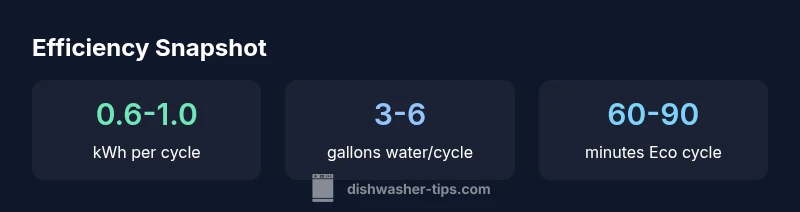
According to Dishwasher Tips, what dishwashers are energy efficient typically combine a strong Energy Star rating with low water usage, efficient Eco cycles, and solid insulation. In practice, energy efficient dishwashers minimize energy per load while maintaining cleaning performance, helping households reduce utility bills and environmental impact. This quick snapshot frames the deeper analysis that follows.
What
Core performance metrics
How to compare energy efficient models
Practical buying tips for energy efficiency
Usage habits that maximize efficiency
Real-world scenarios & cost considerations
Long-term ownership and return on investment
Energy and water usage across common dishwasher types
| Model Type | Energy per cycle (kWh) | Water per cycle (gallons) | Typical cycle time (minutes) |
|---|---|---|---|
| Front-load | 0.6-1.0 | 3-6 | 45-75 |
| Top-load HE | 0.8-1.2 | 4-6 | 60-90 |
| Compact/Apartment | 0.4-0.8 | 2-4 | 40-60 |
People Also Ask
What makes a dishwasher energy efficient?
Energy efficiency comes from optimized motors, efficient circulation pumps, better insulation, and smarter sensors. Look for Energy Star certification and a high energy-factor rating to guide your choice.
Energy efficiency comes from smart design and parts that use less energy while cleaning well. Energy Star helps you compare.
Is Energy Star certification sufficient?
Energy Star is a strong indicator, but evaluate actual usage, cycle choices, and proper loading to realize the full savings. Some models with certification perform differently in real homes.
Energy Star is a good baseline, but your loads and cycles matter for real savings.
How can I reduce energy use with my current dishwasher?
Run full loads, use Eco or energy-saving cycles, avoid heated drying when possible, and air-dry dishes to cut energy and heat output.
Full loads, eco settings, and air-drying save energy.
Do newer models save more energy than older ones?
Most newer models improve insulation, sensors, and water control, yielding better efficiency. The difference grows with appliance updates over a decade.
Yes, newer models are generally more efficient.
How does water usage affect energy efficiency?
Lower water usage means less energy to heat and circulate water. High-efficiency models reduce both water and energy per cycle.
Less water means less energy to heat it.
What should I look for in an energy efficient dishwasher?
Energy Star label, well-insulated cabinet, adjustable racks, sensor-driven cycles, and door seals in good condition help maximize efficiency.
Energy Star, good insulation, and efficient sensors matter.
“Energy efficiency in dishwashers isn’t just about a badge; it’s a practical habit that saves money and reduces environmental impact over time.”
What to Remember
- Compare energy and water use across Eco cycles
- Choose Energy Star as a baseline, then verify real-world usage
- Full loads maximize efficiency gains
- Inspect insulation and door seals to prevent heat loss