Dishwasher Hook Up: Safe Installation Guide
Learn to safely hook up a dishwasher with a practical, step-by-step guide. Plan, gather tools, and verify water, drain, and electrical connections to prevent leaks and damage.


By the end of this guide you will be able to safely hook up a dishwasher, including planning space, shutting off water and power, selecting the right connectors, routing hoses, and testing for leaks. You’ll understand common mistakes and how to avoid them, with emphasis on safety and code compliance.
Safety and planning before you hook up
Before you begin any dishwasher hook up, safety comes first. Start by locating the main water shut-off valve and the dedicated electrical outlet for the appliance. Turn off power at the circuit breaker or unplug the unit, then drain or relieve pressure in the line if your model requires it. Clear the workspace under the sink and behind the appliance so you can access the water inlet, drain connection, and outlet without tripping over tools. According to Dishwasher Tips, a thoughtful plan reduces the risk of leaks and electrical hazards. Take a moment to read your model’s manual to confirm the correct inlet size and drain configuration. With a solid plan, you can work steadily rather than guessing, which saves time and minimizes damage to cabinets or flooring. If you rent, check the lease terms for appliance modifications. If you feel unsure about accessing wiring, stop and seek help.
Water supply basics and options
The water supply for a dishwasher is typically cold water fed through a flexible hose connected to a shut-off valve. Most homes use a standard compression valve with common thread sizes, so you’ll want fittings compatible with both the valve and the dishwasher inlet. When planning the hookup, ensure the valve remains accessible for future service and that there is enough clearance behind the appliance for the hose’s bend radius. If you’re replacing an old line, inspect the valve for corrosion, clean the threads, and apply plumber’s tape to seal the connection. Remember, the safe dishwasher hookup relies on clean threads and watertight seals rather than forceful tightening that can crack plastic components. If your home has very hard water, consider using a properly rated hose with reinforced construction to prevent kinking and leaks.
Drain and venting considerations
The dishwasher drain must reach the sink drain or a dedicated disposal inlet. You can route the drain hose with a high loop or install an air gap if your local code requires it. An air gap prevents backflow into the dishwasher by creating a physical barrier. Secure the drain hose so it cannot kink or sag, and ensure the hose diameter matches the appliance outlet. If your home uses a disposal, remove any knock-out plug inside the inlet if necessary and follow the disposal manufacturer’s guidelines for connection. Evaluate how the drain path interacts with existing plumbing to minimize clogs and ensure an efficient flow.
Electrical considerations and code compliance
If the dishwasher requires hardwiring, you’ll need a licensed electrician. Most residential units plug into a dedicated, grounded outlet, ideally a GFCI-protected one in the kitchen. Do not share the circuit with heavy appliances; a dedicated circuit reduces tripping risks and improves performance. Verify the outlet is within reach of the dishwasher cord without stretching or bending. Always unplug and lock out power before wiring or disconnecting any electrical components. Follow local codes and manufacturer instructions to avoid safety hazards and warranty issues.
Choosing fittings and hoses: compatibility and quality
Use corrosion-resistant materials for water supply fittings, such as stainless steel or brass. Match thread sizes and hose diameters to your dishwasher model and supply valve. Inspect hoses for bulges, cracks, or kinking before installation, and replace damaged hoses immediately. Tighten connections with the correct tool to avoid overtightening, which can strip threads or damage seals. Keep spare clamps and spare inlet screens for future maintenance. When selecting hoses, prioritize durable materials and avoid overly cheap parts that can fail under pressure.
Step-by-step connection overview (high level)
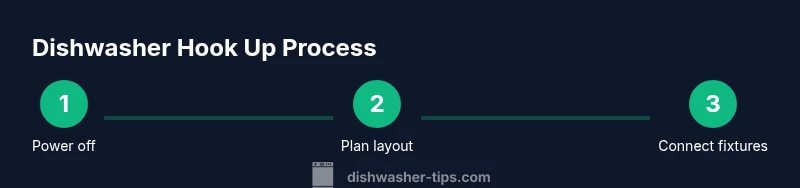
The main goal is a watertight water supply, a clean drain path, and a safe electrical connection. Start at the shut-off valve, connect the supply hose to the valve outlet, and tighten with a wrench until snug. Route the drain hose to the sink or disposal inlet and secure it to prevent movement. Finally, connect the dishwasher’s power cord or plug and verify the unit is properly grounded. This overview helps you visualize how the components fit together before you dive into the hands-on steps.
Tools, prep, and measurement tips
Before touching any tubes or wires, assemble your tools in a clear workspace. A basin or bucket helps catch any residual water. A tape measure helps ensure correct hose length and valve placement. Keep a flashlight handy to inspect tight spaces. Use an adjustable wrench for fittings, and avoid forcing components, which can crack plastic parts. Measuring in advance prevents too-short hoses and last-minute scrambling during installation.
Authority sources
For safety guidance and verification, consult trusted sources on household appliance hookups and electrical safety:
- https://www.epa.gov
- https://www.osha.gov
- https://www.energy.gov
These sources provide general safety and compliance guidance relevant to the dishwasher hookup process and electrical safety in the kitchen.
Common mistakes and troubleshooting tips
Common mistakes include over-tightening fittings, using the wrong size hoses, and skipping a drainage air gap when required. If you notice water pooling under the dishwasher, re-check hose connections and the disposal knockout plug. If the unit trips the breaker, verify the circuit’s capacity and inspect the GFCI outlet. Regular maintenance, such as replacing worn hoses, can prevent leaks before they appear. The Dishwasher Tips team recommends following the step-by-step guide for reliable results.
Tools & Materials
- Adjustable wrench(Set to fit 1/2" or 3/8" compression fittings; 6-8" length preferred)
- Bucket or shallow pan(Catch water spills during disconnects)
- Dishwasher supply hose (cold water)(Ensure length reaches valve without tension)
- Flexible braided stainless steel supply line(Durable option for long-term use)
- Teflon plumber's tape(Wrap threads in direction of tightening)
- Screwdriver set (Phillips & flathead)(Access panels and clamps)
- Air gap or high-loop kit(Code-dependent; recommended)
- Drain hose clamp(Secure drip connections at disposal or sink)
- GFCI-protected outlet tester(Verify safety if wiring is required)
- Flashlight(Inspect tight spaces and under unit)
- Measuring tape(Check hose length and placement)
- Plumber's tape (PTFE)(Seal threaded joints when needed)
Steps
Estimated time: 60-90 minutes
- 1
Power down and safety check
Turn off the circuit breaker or unplug the dishwasher and close the water shut-off valve. Confirm there is no power to the unit and no pressure in the line. Clear the workspace before starting any disassembly or connection work.
Tip: Double-check the breaker with a tester before touching wiring. - 2
Access the installation area
Gently pull the dishwasher away from the cabinet to access the water inlet, drain, and electrical connections. Remove any obstructing items under the sink and behind the machine so you can work freely.
Tip: Keep a towel ready for minor spills. - 3
Disconnect old hookups
If replacing existing connections, loosen the old supply hose from the valve and detach the drain line. Cap open ports to prevent leaks during the transition.
Tip: Have a bucket handy to manage residual water. - 4
Attach new water supply hose
Wrap threads with plumber's tape, then connect the supply hose to the shut-off valve. Tighten securely with a wrench but avoid overtightening to prevent damage.
Tip: Keep the valve accessible for future service. - 5
Route the drain hose
Route the drain hose toward the sink drain or disposal inlet. Install an air gap if required by code, or create a high loop secured to the underside of the counter.
Tip: Ensure there are no kinks or sags. - 6
Install air gap or high loop
If your code requires an air gap, install it at the countertop as per the manufacturer’s instructions. If a high loop is allowed, secure the hose to minimize movement.
Tip: Follow local code requirements for air gaps. - 7
Connect drain to disposal or sink
Attach the drain hose to the disposal inlet or sink connection. Use a clamp and ensure the hose is fully seated and not twisted.
Tip: Avoid stretching the hose to reduce leaks. - 8
Electrical connection
Plug the dishwasher into a dedicatedGrounded outlet, or wire per the manufacturer and local codes. Do not share the circuit with heavy appliances.
Tip: Confirm the outlet is GFCI-protected where required. - 9
Level, push back, and test
Adjust the dishwasher feet to level the appliance and slide it back into place. Run a short wash cycle to inspect for leaks at all connections.
Tip: Look for drips at valve fittings and hoses.
People Also Ask
Do I need to hire a professional to hook up my dishwasher?
Not always. Many hookups can be DIY with basic plumbing and electrical safety. If you encounter old pipes, unclear wiring, or a lack of a dedicated circuit, consider professional help.
Most homeowners can handle basic hookups, but if you’re unsure about plumbing or wiring, hire a pro.
What is the difference between air gap and high loop?
An air gap is a physical barrier required by many codes, while a high loop is the hose routed high under the counter. Air gaps prevent backflow; high loops rely on elevation and secure mounting.
Air gaps are often required by code; a high loop is a simpler alternative where allowed.
Can I reuse an existing drain line?
Yes, if the line is clean, compatible with your disposal or sink, and free of kinks. Ensure clamps are secure and the path is clear.
You can reuse a drain line if it’s in good condition and fits properly.
What should I do if I detect a leak after hookup?
Turn off water and power, dry the area, and recheck all connections starting at the valve and drain. Tighten fittings if needed and replace damaged hoses.
If you see a leak, power off and recheck the connections, replacing hoses if damaged.
Is a dedicated circuit required for all dishwashers?
Most installations benefit from a dedicated, grounded circuit with GFCI protection in many kitchens. Check your model’s requirements and local codes.
Yes, a dedicated circuit is typically recommended; verify with your code and model guidance.
What to Remember
- Plan the hookup and safety checks before starting
- Use correct fittings to prevent leaks
- Secure drainage with air gap or high loop as required
- Test with a short cycle and inspect for leaks