How to Install a Dishwasher Water Line
Learn how to install a dishwasher water line safely with this practical, step-by-step guide. It covers required tools, materials, common mistakes to avoid, safety notes, and tips for leak-free connections.


This guide shows how to install a dishwasher water line safely and efficiently, covering essential tools, materials, and the biggest safety checks you need. By following these steps, you’ll minimize leaks and water damage while keeping your appliance running smoothly. According to Dishwasher Tips, a correct water-line installation is foundational to long-term reliability and efficient operation.
Why installing a dishwasher water line matters
A proper water line connection is essential for reliable dishwasher performance and home plumbing health. A poorly fitted line can leak at the connection points, lead to water damage under cabinets, or create mold-prone dampness that is hard to eliminate. When you install a dishwasher line correctly, you reduce the risk of leaks, backflow, and pressure fluctuations that can affect wash quality. The Dishwasher Tips team emphasizes that attention to detail here pays off with fewer service calls and happier kitchen days. This section outlines the why, not just the how, so you understand the stakes involved and the best way to approach the task with confidence. You’ll learn how to plan, what to avoid, and how to confirm that every connection is secure before you restore water to the system.
Tools and materials you’ll need
Preparation is half the battle. Gather the right tools and materials so you won’t have to scramble mid-project. A typical installation uses a stainless-steel braided supply line with 3/8-inch compression fittings, a shutoff valve dedicated to the dishwasher, PTFE tape (Teflon tape), an adjustable wrench, slip-joint pliers, a bucket or shallow pan to catch spills, and towels for cleanup. Verify that the new line is compatible with your dishwasher model and home supply valves. Keep a spare bucket and towels handy to manage any unexpected drips while you work. By planning ahead, you’ll maintain a clean, dry workspace and reduce the risk of cross-contamination with other keystone appliances in the kitchen.
Safety, codes, and planning before you begin
Before touching any water lines, ensure the power to the dishwasher is off at the circuit breaker and the home water supply is shut off at the main valve or the dedicated appliance valve. Check local building codes for required shutoff provisions and backflow prevention. Many jurisdictions require a backflow preventer or an air-gap device for new installations; verify these details with your local code authority or a licensed professional if you’re unsure. If your plumbing uses lead-free components, verify that all materials are rated for potable water. This planning stage is where you save time later by avoiding improper fittings or noncompliant parts that could trigger a leak or water contamination risk.
Preparing the workspace and routing the line
Clear an area under the sink or behind the dishwasher so you can maneuver fittings without bending lines in awkward angles. Route the supply line away from hot surfaces, sharp edges, and potential contact with the drain or garbage disposal. Plan an arc or gentle bend rather than a sharp kink to preserve flow and prevent early wear. If your cabinet space is tight, a shorter, high-quality braided line often fits better and reduces stress on fittings. Use clamps or brackets to secure the line away from the dishwasher’s power cord and any disposal components. A clean, organized workspace minimizes mistakes and makes leak checks easier after installation.
Connecting the supply line to the home water supply
Start by removing the existing line from the shutoff valve if you are replacing it. Apply PTFE tape to the male threads of the valve and the dishwasher’s inlet fittings to promote a tight seal. Attach the supply line to the valve, ensuring the compression fitting sits squarely and the line is aligned without twisting. Tighten with an adjustable wrench until snug, then give a final quarter-turn by hand to avoid over-tightening, which can crack fittings. Make sure the line’s routing provides a gentle curve and isn’t pushing against walls or pipes, which could over time loosen connections and create leaks.
Connecting to the dishwasher and securing the line
Next, connect the other end of the supply line to the dishwasher’s water inlet valve. As with the home valve, apply PTFE tape to the threads and hand-tighten, then snug with a wrench. Avoid overtightening, because it can damage the dishwasher inlet fitting or strip threads. Use a slip-joint plier to hold the valve steady while you tighten the connection. Check that the line is not rubbing against any sharp edges and that it has a smooth, natural curve. Tie or strap the line loosely so it can absorb small movements without stressing the fittings. A secure, well-routed line reduces vibration and wear during operation.
Testing for leaks and final checks
With the water off, re-close all connections and then slowly reopen the shutoff valve. Monitor each connection for signs of moisture. If you see a drip, tighten the fitting a small amount and re-check. Once you’re confident there are no leaks, run a short dishwasher cycle and observe for any water seepage during the wash and rinse phases. A soap-and-water test on the joints can help reveal tiny leaks that aren’t obvious at first glance—the bubbles indicate a leak. If leaks persist, disassemble and reapply PTFE tape, ensuring you don’t cross-thread or overtighten fittings. Finish by cleaning up the area and verifying there’s adequate clearance behind the dishwasher.
Maintenance and long-term care
Regular inspection of the water line, fittings, and clamps helps prevent leaks before they become serious. Check for any signs of corrosion, cracking, or mineral buildup, especially in areas with hard water. Replace aging lines as part of routine appliance care to maintain performance and safety. Keep the surrounding cabinet area dry and ventilated to discourage mold growth. Establish a simple maintenance routine: visually inspect every 6–12 months and replace the line if you notice stiffness, kinks, or difficulty achieving a snug seal. This proactive approach saves time and reduces the risk of hidden leaks.
Final tip: align with best practices
To minimize risk, always use components designed for potable water and compatible with your dishwasher model. Maintain documented notes about the parts used, including the line length and connection types, in case you need to service the dishwasher later. The right tools, careful preparation, and thoughtful routing all contribute to a leak-free installation that lasts for years. For extra confidence, consider having a licensed plumber review your work if you’re unsure about local code requirements or complex installations.
Quick note on safety and environment
Work safe: wear eye protection, work gloves, and ensure moisture does not create slip hazards. Keep work area ventilated and dry; avoid mixing cleaning agents near electrical components. If you suspect a contaminated water line or backflow risk, stop immediately and consult a professional. By adhering to safety practices, you protect yourself, your home, and your appliances while ensuring efficient water use and reliable dishwasher performance.
Tools & Materials
- Adjustable wrench(8–12 inch range for common fittings)
- Slip-joint pliers(Useful for holding fittings steady)
- Teflon tape (PTFE)(White tape; 1/2 inch width; wrap 2-3 times)
- Dishwasher supply line kit (3/8 in compression)(Stainless steel braided line with compression ends)
- Shutoff valve for dishwasher(Dedicated valve, 1/2 inch OD feed if applicable)
- Bucket or shallow pan(Catch spills during connections)
- Dry towels or rags(Keep area dry and clean)
Steps
Estimated time: 60-90 minutes
- 1
Shut off water supply
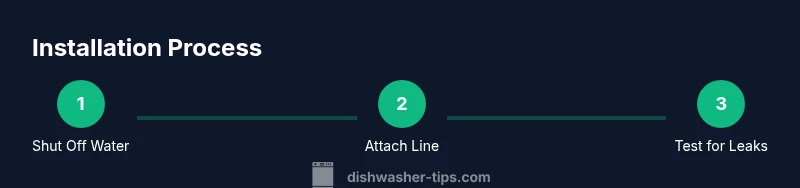
Begin by turning off the home's cold-water supply at the shutoff valve nearest the dishwasher. If you’re replacing an existing line, place towels to catch any residual water. Verify there is no pressure in the line by slowly opening a nearby faucet. This prevents a sudden surge when you later reintroduce water to the system.
Tip: Have a bucket ready and double-check the valve is fully closed before you disconnect anything. - 2
Inspect the valves and verify clearance
Check that the dishwasher shutoff valve and the valve on the home supply line are accessible and operable. Ensure there is enough clearance behind the dishwasher to route the supply line without kinks or sharp bends. If space is tight, plan a short, straight path with a gentle bend rather than an abrupt turn.
Tip: If a valve is corroded or stiff, do not force it; replace it or call a professional. - 3
Prepare fittings and apply thread sealant
Wrap PTFE tape around the male threads of both fittings in the direction of the tightening. This helps prevent leaks at the connection. Keep the tape smooth and even, covering only the threads. Do not tape over the edge of the threads to avoid shedding fibers into the line.
Tip: Apply 2-3 wraps for standard 1/2 inch and 3/8 inch fittings; avoid over-wrapping, which can impair sealing. - 4
Attach line to the home supply valve
Screw the supply line onto the home shutoff valve by hand first, then tighten with a wrench. Ensure the line sits straight and does not bind on nearby pipes or hardware. Wrench-tighten only until snug; overtightening can strip threads or crack fittings.
Tip: Hold the valve body steady with one wrench while tightening with the second to avoid twisting the valve stem. - 5
Connect line to the dishwasher inlet
Join the other end of the supply line to the dishwasher’s water inlet valve. Repeat the hand-tighten–then–wrench-tighten approach, keeping the line free of tension. Confirm there is a smooth bend and no kinks that could pinch the line during operation.
Tip: If access is difficult, gently reposition the dishwasher to gain better room for the connection. - 6
Check alignment and secure routing
Make sure the line runs in a clean, unobstructed path. Use clamps or brackets to secure the line away from the cabinet floor, electrical outlets, and heat sources. Avoid sharp angles and ensure the line remains flexible to absorb vibration.
Tip: Leave a little slack to absorb temperature-related expansion and contraction. - 7
Restore water and test connections
Slowly reopen the main shutoff valve and watch each connection for drips. If moisture appears, tighten slightly and re-check. Run a short cycle to test under real operating conditions and look for leaks around both fittings.
Tip: Perform a soap test on joints if you suspect slow leaks—bubbles indicate a problem. - 8
Finalize installation and clean up
Once no leaks are observed, secure any loose hoses, wipe down the area, and ensure there is no standing water beneath the dishwasher. Document part model numbers and keep a small record of the installation for future service needs.
Tip: Rest a dry rag in the cabinet bottom to absorb any condensation that may form after use.
People Also Ask
What tools and materials are essential for this installation?
Essential items include an adjustable wrench, slip-joint pliers, PTFE tape, a stainless-steel braided 3/8 inch compression supply line, and a dishwasher shutoff valve. A bucket and towels help manage spills during the process. Always verify compatibility with your dishwasher model.
You'll need basic plumbing tools, a compatible supply line, PTFE tape, and a dedicated shutoff valve. Have towels and a bucket handy for spills.
Can I install this myself or should I hire a plumber?
If you’re comfortable with basic plumbing tasks, following safety steps and manufacturer guidelines, you can install the line yourself. However, if you encounter tight spaces, unusual valve configurations, or local code requirements, consult a licensed plumber.
If you’re comfortable with simple plumbing tasks, you can do it yourself. If you run into space or code issues, hire a pro.
What type of supply line is recommended?
A stainless-steel braided supply line with 3/8 inch compression fittings is the standard for most dishwashers. Ensure the line length provides gentle curves without tension and that fittings match your valve dimensions.
Use a stainless-steel braided line with 3/8 inch compression fittings and avoid overly long lines that create tension.
How do I test for leaks after installation?
Turn the water back on slowly and watch for drips at every connection. If you see moisture, tighten modestly and re-test. A soap solution can help identify slow leaks that aren’t obvious at first.
Slowly reopen water and inspect for leaks. If you see any, tighten a bit and re-test with soap bubbles if needed.
What should I do if there’s a leak after testing?
Shut off the supply again and re-check threads for proper alignment and tape coverage. Remove and re-seat the line if necessary, ensuring no cross-threading. If the leak persists, consider replacing the line.
If a leak shows up, recheck threads and tape, reseat the line, and replace if needed.
What maintenance is recommended after installation?
Inspect fittings every 6–12 months for signs of wear, corrosion, or mineral buildup. Keep the area dry and free from clutter to minimize mold risk and ensure easy access for future service.
Check fittings yearly for wear and keep the area dry for a safer, longer-lasting setup.
Watch Video
What to Remember
- Plan the installation path before you start.
- Use PTFE tape and proper tighten to prevent leaks.
- Test for leaks under real operating conditions.
- Secure the line to prevent movement and stress on fittings.
- Perform regular maintenance checks to extend line life.