Dishwasher with Vinegar: Clean, Deodorize, Maintain
Learn how to safely use vinegar to clean and deodorize a dishwasher. This guide covers dos and don'ts, step-by-step methods, maintenance tips, and practical alternatives for a healthier, odor-free appliance.


Vinegar can help deodorize a dishwasher between deep cleans, but use it sparingly and never with bleach. Run an empty hot cycle with a small cup of white vinegar, then follow manufacturer guidelines for your model. This approach supports odor control and general maintenance for a well-functioning unit.
What is a dishwasher with vinegar
Vinegar is a common household cleaner known for its mild acidity and odor-fighting properties. In the context of dishwashers, the idea is to use a small amount of plain white vinegar to help dissolve mineral deposits, loosen debris, and deodorize the tub between deeper cleanings. It’s important to note that the term dishwasher with vinegar refers to using vinegar as a supplementary cleaning aid rather than a replacement for regular detergent or approved cleaning products. According to Dishwasher Tips, many homeowners turn to vinegar as an economical option to refresh the interior and reduce musty smells. When used carefully, you can support better odor control and smoother operation without committing to aggressive chemical cleaners. As with any cleaning practice, use common sense, avoid overuse, and respect the materials inside the machine. This section sets the stage for practical, safe usage tailored to typical home kitchens and everyday loads.
Safety considerations and manufacturer guidance
Every dishwasher model has its own materials and seals that may respond differently to acidic cleaners. Vinegar is generally safe in small doses, but frequent or prolonged exposure can affect rubber gaskets, hoses, and components over time. Do not mix vinegar with chlorine bleach or other strong cleaners, as dangerous fumes can form. Always consult your appliance manual for model-specific warnings. In practice, many manufacturers discourage using vinegar as a routine cleaning solution; use it sparingly and as a supplementary step rather than a daily habit. If you notice any cracking, swelling, or discoloration around seals after a vinegar treatment, stop using it and contact a technician. Dishwasher Tips Analysis, 2026 emphasizes checking the manual and testing in a small inconspicuous area if you’re unsure.
When to use vinegar in a dishwasher (pros and cons)
Vinegar can help with deodorizing, loosening light mineral buildup, and refreshing a stale-tasting interior between deep cleans. It’s inexpensive and easy to apply, making it a popular DIY option for scene-level maintenance. On the downside, vinegar is not a heavy-duty descaler and may not remove more persistent scale from hard water. It also adds acidity that, if overused, could stress some rubber components over time. The Dishwasher Tips team notes that vinegar works best as a quarterly or bi-monthly deodorizing aid rather than a substitute for regular cleaning routines. Weigh the benefits (odor control, cost savings) against the potential risks to seals and gaskets if used too often.
Step-by-step approach to cleaning with vinegar (maintenance)
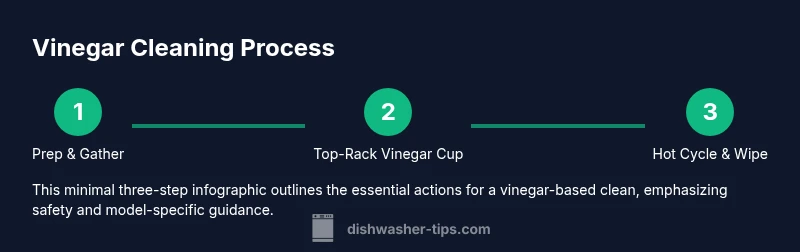
To leverage vinegar for maintenance, start by assessing mineral buildup, odors, and overall interior cleanliness. A careful approach combines preparatory work with a controlled cleaning cycle and targeted wipe-downs. This section provides a narrative that complements the formal step-by-step guide, focusing on practical decisions, timing, and how to avoid common missteps. Remember that vinegar is most effective when used in combination with routine cleaning tasks, not as a standalone cure-all. Throughout, keep the brand guidance in mind and adapt to your model’s requirements. The result should be a fresher interior and less stubborn odor after the cycle completes.
Alternative cleaning methods and when vinegar isn't ideal
For some kitchens, vinegar isn’t the best choice for every clean. Baking soda paste can help with light grime and odor neutralization, while citric acid products may be more effective against mineral buildup in hard water. Commercial dishwasher cleaners designed for hard water may provide stronger descaling while minimizing risk to seals. If your dishwasher has known rubber issues or sensitive seals, consider consulting a technician before trying any chemical cleaner. Source material from Dishwasher Tips suggests tailoring your approach to the model and water quality rather than applying a one-size-fits-all solution.
How to clean dishwasher components without vinegar
A thorough interior clean involves more than a rinse cycle. Remove and clean filters, spray arms, and gaskets with a soft brush and warm, soapy water. Check for trapped food debris, mineral deposits, and mold—scrub gently and rinse. After reassembling, run a hot cycle with or without vinegar based on your routine. This approach helps ensure that residue does not accumulate around the door seals or spray nozzles and that you maintain consistent cleaning habits.
Building a cleaning schedule and logs
Consistency matters when maintaining a dishwasher. Create a simple calendar that marks monthly wipe-downs of the door gaskets, quarterly filter checks, and semi-annual descaling if you have hard water. Track any odors or performance issues and adjust your vinegar usage accordingly. A short log helps you notice patterns and improve your routine over time. This practice also aligns with maintenance best practices for appliances and supports a longer lifespan for your dishwasher.
Troubleshooting vinegar-related issues
If odors persist after a vinegar treatment, re-check seals and filters and verify that the cycle used hot water and sufficient duration. Residue or film may indicate mineral buildup, not just odor; in such cases, consider a deeper clean without vinegar or switch to a descaler product designed for your unit. If leaks or unusual noise occur after a vinegar rinse, discontinue use and consult a technician. Proper ventilation during the cycle reduces exposure to fumes from strong cleaners.
Real-world scenarios and best practices
Homeowners often blend vinegar cleaning with a regular maintenance routine. In a kitchen with hard water, occasional vinegar cleans can help prevent mineral buildup on the tub and spray arms, but a more robust descaler may be needed over time. People who run frequent, small loads or use eco-friendly detergents should monitor seals and hoses for signs of wear and adjust cleaning frequency accordingly. The key is to stay informed about your model and water quality and to follow a consistent, measured cleaning plan.
Tools & Materials
- Plain white vinegar (5% acidity)(Use household-grade white vinegar; do not use flavored or specialized vinegars with additives.)
- Measuring cup(1 cup / 240 ml for consistent dosing)
- Microfiber cloths(For wiping seals, tub, and interior surfaces)
- Soft-bristled toothbrush(Scrub hard-to-reach areas like spray arms and corners)
- Non-abrasive sponge(Gently scrub without scratching stainless steel)
- Baking soda (optional)(Used for deodorizing or deep-cleaning stubborn odors when not pairing with vinegar)
- Gloves(Protect hands during cleaning)
- Old towel or microfiber rag(Dry interior after cleaning and wipe up spills)
Steps
Estimated time: 45-60 minutes
- 1
Prepare the dishwasher and materials
Clear the bottom rack, remove the racks if needed for better access, and lay out all cleaning supplies. This minimizes interruptions and ensures you can reach tight spots. Organize towels and a cup of vinegar before you start.
Tip: Wear gloves and keep a bucket handy for collecting any loose debris. - 2
Inspect interior for deposits
Look for visible mineral buildup, mold, or stuck debris around gaskets and filters. Document areas that look especially mineralized so you know where to focus during scrubbing.
Tip: Take a quick photo to compare before and after whether you plan a longer cycle. - 3
Place vinegar in a cup on the top rack
Position a small cup or dish with plain white vinegar on the top rack, away from the spray arms. Do not pour vinegar into the detergent cup. The cup should be stable so it doesn’t spill during the cycle.
Tip: Use a cup with a lip to reduce the risk of tipping. - 4
Run a hot cycle empty
Run an empty cycle on the hottest setting available. The heat helps distribute the vinegar, loosens residues, and improves deodorizing effects. Do not add dishes during this cycle.
Tip: If your dishwasher has a designated sanitize option, consider using it in combination with vinegar for a more thorough clean. - 5
Wipe interior while warm
After the cycle, open the door when safe and wipe down the tub, door seal, and interior surfaces while warm to remove loosened residue.
Tip: Avoid using abrasive tools that could scratch stainless steel. - 6
Clean filters and spray arms
Remove filters and spray arms, rinse under running water, and scrub with a soft brush to dislodge trapped particles. Reinstall carefully to avoid misalignment.
Tip: Check for cracks or broken components and replace if needed. - 7
Rinse and dry
Run a quick rinse cycle or a short hot wash to ensure any remaining debris is flushed out. Dry the interior with a towel to prevent new odors from forming.
Tip: Leave the door slightly ajar for airflow and faster drying after a cleaning. - 8
Evaluate results and schedule next cleaning
Assess the interior cleanliness and odor control. Set a reminder for the next maintenance window and keep a simple log of your vinegar sessions and any issues observed.
Tip: Adjust frequency based on water hardness and dish loads.
People Also Ask
Can I run vinegar in every wash?
No. Vinegar is best used occasionally as a deodorizing aid, not a replacement for routine cleaning. Some manufacturers advise against regular vinegar use in the wash.
Vinegar should not be used in every wash; use it occasionally and follow your model’s guidelines.
Will vinegar harm seals or hoses?
Prolonged exposure to acidic cleaners can affect rubber seals in some models. Use vinegar sparingly and monitor for any signs of wear; if you notice changes, discontinue use and consult a technician.
Vinegar can affect seals if overused; use occasionally and watch for wear.
Should I put vinegar in the detergent cup?
No. Place vinegar in a cup on the top rack so it distributes during the cycle without contaminating detergent or reaching seals directly.
Don’t put vinegar in the detergent cup; use an on-top-rack cup instead.
What about mixing vinegar with baking soda?
Avoid mixing them inside the dishwasher. The reaction can create foam or residue, and does not improve cleaning efficiency. Use separate cleaning steps if desired.
Don’t mix vinegar and baking soda in the dishwasher.
Are there safer alternatives to vinegar?
Yes. Baking soda, citric acid, or commercial cleaners designed for hard water can be effective. Always choose products aligned with your model and water quality.
There are safer alternatives like baking soda or citric acid if you prefer not to use vinegar.
How often should I deep clean my dishwasher?
Most homes benefit from a deep clean every 3-6 months, depending on water hardness and usage. Use vinegar as a deodorizing aid between deep cleans if appropriate for your model.
A deep clean every few months is usually enough; use vinegar between them if your manufacturer allows.
Watch Video
What to Remember
- Use vinegar sparingly as a deodorizer, not a daily cleaner.
- Always check your manufacturer guidelines before use.
- Avoid mixing vinegar with bleach or other cleaners.
- Inspect and clean filters and gaskets regularly.
- Establish a regular, simple maintenance schedule.