How to Wash a Dishwasher: A Step-by-Step Guide
Learn how to wash a dishwasher effectively with a complete step-by-step guide, essential tools, and safety tips to remove buildup, improve cleaning, and extend your appliance's life.


You can restore spotless performance by washing your dishwasher regularly. This guide provides a safe, step-by-step method to clean the interior, filter, and spray arms, plus maintenance tips to prevent buildup. Gather a few common cleaning supplies and reserve about 45–60 minutes to complete the process. Follow these steps and avoid common mistakes.
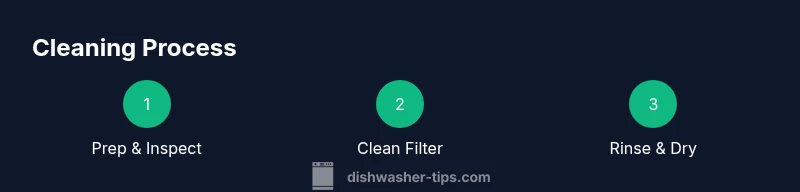
Inspect and Prep: Set the Stage for a Deep Clean
Before you start, unplug the dishwasher if accessible and inspect the door seal for mold or gaps. Remove the racks to access every surface, and take a quick look at the filter and drain area for debris. A clogged filter is a leading cause of poor cleaning and odors. Gather your cleaning supplies and decide on a plan. Use hot water to soften grease and mineral buildup, then rinse with clean water. If you have hard water, consider a chelating cleaner or rinse aid to reduce mineral deposits. This prep work reduces mess and makes the rest of the process smoother, safer, and more effective.
Dishwasher Tips recommends dedicating time for a thorough prep to minimize recontamination and ensure even coverage across all interior surfaces.
Clean the Filter and Drain: Remove Debris and Improve Flow
The filter assembly traps food particles to prevent clogs, but it needs regular cleaning. Start by removing the bottom rack and locating the filter cartridge. Rinse it under warm running water, using a soft brush to dislodge stubborn residue. Inspect the sump and drain area for accumulated gunk; wipe with a damp cloth. For tough buildup, soak removable parts in warm water with a splash of gentle dish soap for 10–15 minutes, then rinse thoroughly. Reassemble the filter with proper orientation. A clean filter improves drainage and ensures detergents circulate efficiently, which translates to cleaner dishes and less odor. Regularly cleaning the drain also helps prevent foul smells in the dishwasher.
Dishwasher Tips emphasizes that consistent filter care reduces cleaning time per cycle and improves overall performance.
Clean the Spray Arms and Jets: Remove Buildup for Even Cleaning
Spray arms distribute water; clogged jets reduce cleaning power and cause spots. Remove the spray arms (check your model’s manual for exact steps) and rinse them under warm water. Use a toothpick or soft brush to clear mineral deposits from the small holes. If you notice slime or mold, wipe the cavities with a cloth dipped in a mild solution of vinegar and water, then rinse. Let the arms dry before reinstalling. This step ensures water reaches all dishes and helps eliminate streaks and residues.
Dishwasher Tips notes that clear spray holes are essential for effective cleaning and even drying.
Wipe the Interior Surfaces and Door Gasket: Remove Scum
Door gaskets seal the dishwasher; grime here can harbor odors and reduce sealing efficiency. Wipe the gasket with a damp microfiber cloth, turning it to access folds. Clean the door trough and exterior with a non-abrasive cleaner. For stubborn spots, apply a paste of baking soda and water, let sit 5 minutes, then scrub gently. Rinse with clean water and wipe dry. This reduces odors and improves overall cleanliness, and helps prevent mold growth in hard-to-reach gaps.
Keeping the gasket dry after cycles is a simple habit that pays off in reduced odor buildup.
Run a Cleaning Cycle: Safe Methods for Fresh Results
Use a dishwasher-safe cleaner or a cup of white vinegar placed on the upper rack when running an empty cycle on the hottest setting. Do not mix chemicals; never run with bleach in the same cycle. After the cycle, run a second hot cycle with only water if needed to rinse away residues. Allow the dishwasher to dry with the door open for a bit to prevent moisture buildup. This final step finishes the job and leaves the interior smelling fresh and looking clean.
Dishwasher Tips highlights the importance of hot water and avoiding chemical combinations that can create fumes or residues.
Ongoing Maintenance and Schedule: Keep It Fresh
Create a simple maintenance calendar: clean the filter monthly, wipe the gasket weekly, and perform a deep clean every few months depending on usage and water quality. Use a rinse aid if your water is hard to prevent mineral deposits. Consider using a detergent formulated for hard water and avoid overloading the machine, which can trap food particles. A routine helps maintain performance, reduces odors, and extends the life of seals and pumps. Regular maintenance also helps keep energy efficiency high and drying performance strong.
Dishwasher Tips advises pairing routine cleaning with mindful loading and periodic professional checks for long-term reliability.
Troubleshooting Common Issues: Not Cleaning Right, Bad Odors
If dishes come out wet or with spots, check for clogged spray arms, insufficient detergent, or overloading. Odors indicate mold growth in the gasket or filter; repeat the cleaning steps and ensure proper drying after cycles. If you notice leaks, inspect door seals and the bottom for cracks. For persistent problems, consult the manufacturer’s manual or a professional technician. In many cases, adjusting loading patterns and using a rinse aid can solve common issues without expensive repairs.
Dishwasher Tips encourages addressing root causes rather than applying quick fixes.
Tools & Materials
- Dishwasher-safe cleaning brush(Small, stiff brush for filter and interior corners)
- Old toothbrush(For tight jets and gasket crevices)
- Soft microfiber cloth(Lint-free, for door gasket and seals)
- Bucket or large bowl(For soaking removable parts)
- White vinegar(For mild sanitizing and mineral removal)
- Baking soda(For paste scrubs and odor neutralizing cycles)
- Dish soap (mild)(Optional for gentle hand-cleaning parts)
- Gloves(Protect hands from cleaner and hot water)
Steps
Estimated time: 45-60 minutes
- 1
Power down and prep
Unplug the unit if accessible and remove the racks to expose every surface. Wipe away loose debris around the door and seal. This prevents debris from falling into the filter during cleaning and gives you full access.
Tip: Lay towels to catch drips; this keeps the area tidy. - 2
Remove and rinse the filter
Take out the filter assembly, rinse under warm water, and brush away stubborn residue. Dry before reinstalling to avoid trapped moisture that encourages mold.
Tip: Note the filter orientation to ensure proper reassembly. - 3
Clean spray arms and jets
Detach spray arms following the manual, rinse, and use a toothpick to clear holes. If mineral buildup remains, scrub with a mild vinegar-water solution and rinse well before reattaching.
Tip: Inspect all holes; even a few blocked jets can reduce cleaning power. - 4
Wipe interior and gasket
Wipe the interior walls and door gasket with a microfiber cloth dampened with clean water. Use baking soda paste for stubborn spots and rinse clean.
Tip: Keep the gasket dry after cleaning to prevent mold growth. - 5
Run an empty hot cycle with cleaner
Place a dishwasher-safe cleaner or a cup of white vinegar on the upper rack and run the hottest cycle. Do not mix cleaners; avoid bleach.
Tip: Open the door slightly after the cycle to vent moisture and dry faster. - 6
Rinse and dry
After the cycle, run a short hot water rinse if residues remain. Wipe the interior dry and leave the door ajar for airflow.
Tip: A quick dry prevents musty odors from forming. - 7
Reinstall racks and test
Replace racks, run a test cycle with a few cups to confirm there are no leaks and that dishes come out clean.
Tip: Listen for unusual noises; they can indicate a snag in a spray arm or rack. - 8
Set a maintenance routine
Schedule regular cleanings: monthly quick checks, quarterly deep cleans, and annual professional service if needed.
Tip: Keep a simple calendar or reminder app to stay consistent.
People Also Ask
How often should I wash my dishwasher?
Wash the dishwasher during regular maintenance: clean the filter and gasket monthly and perform a deeper clean every few months, depending on usage and water quality. Adjust frequency if you detect odors or residues.
Clean the filter and gasket monthly, and do a deeper clean every few months, adjusting for how often you use the machine.
Can I use bleach in my dishwasher?
Bleach should generally be avoided inside dishwashers, especially with other cleaners. If you need sanitizing power, use a dishwasher-safe cleaner or vinegar in a hot cycle as directed by the product instructions.
Avoid bleach inside the dishwasher. Use a dishwasher-safe cleaner or vinegar in a hot cycle as directed.
Is it safe to run a hot-water cycle with vinegar?
Yes, running an empty hot cycle with a cup of vinegar is common for mineral buildup and odor control. Do not mix vinegar with bleach or other cleaners in the same cycle.
It's okay to use vinegar in a hot cycle, but never mix it with bleach.
What causes bad odors in the dishwasher?
Odors usually come from mold or mildew in the gasket, filter, or drain. Regular cleaning, thorough drying, and occasional deep cleaning help prevent this.
Odors come from mold in the gasket or filter. Clean and dry the interior to stop it.
Why are there water spots on clean dishes?
Water spots often result from hard water minerals or insufficient rinse aid. Use a rinse aid and, if needed, a water-softening additive to improve drying and spot-free results.
Hard water can leave spots; try a rinse aid and ensure proper drying.
What if leaks appear around the door?
Leaks usually indicate worn door seals or misaligned gaskets. Inspect seals for cracks and ensure the door closes fully. If the problem persists, consult the manufacturer’s manual or a professional.
If you see leaks, check the door seals and consider professional help if it continues.
Do all cleaning products work the same?
Not all cleaners are created equal for dishwashers. Use products labeled for dishwashers and follow the manufacturer’s directions, especially regarding concentration and cycle type.
Use dishwasher-specific cleaners and follow the label directions.
What to Remember
- Inspect and prep every surface before cleaning.
- A clean filter and spray arms are essential for good cleaning.
- Use safe cleaners and avoid chemical combinations.
- Dry surfaces after cycles to prevent mold.
- Create a maintenance schedule to protect performance.