Dishwasher Door Seal Replacement: A Step-by-Step Guide
Discover how to replace a worn dishwasher door seal with a model-specific gasket. Safety, measurement, installation, testing, and maintenance guidance to stop leaks and restore performance.


Replace a dishwasher door seal to stop leaks and restore door sealing. You'll need a model-specific replacement gasket, a few hand tools, and a clean workspace. This how-to walks you through safety steps, removing the old gasket, installing the new one, and testing for leaks to ensure a watertight seal. No special skills required; most homeowners can complete this in under 60 minutes.
Understanding the Problem and Why Seals Fail
A worn dishwasher door seal is the most common source of leaks in home dishwashers. The door gasket sits on the front edge of the tub, sealing the doorway during wash and drain cycles. Over time, heat, soap, and mineral buildup take a toll on rubber or silicone, causing cracks, loss of elasticity, or detachment from the door. According to Dishwasher Tips, seal degradation accelerates when dishwashers operate at higher temperatures, are loaded with heavy pots, or are exposed to caustic cleaners. Leaks aren't just inconvenient; they can damage cabinetry, create mold, and reduce efficiency by letting hot water escape. Early detection matters: if you notice water pooling around the gasket, persistent damp edges, or a door that feels loose or doesn’t latch fully, plan to inspect or replace the seal. This guide will help you identify symptoms, choose the right gasket, and complete a safe replacement for a watertight seal.
Door Seal Anatomy and Material Options
Most dishwashers use a single-piece gasket that sits in a groove around the door frame. The gasket may be silicone or flexible rubber; some models use a dual-lip design for extra compression. In some cases you’ll find a drain channel or corner pockets to divert water away from the door. Silicone remains flexible in temperature swings; rubber can be more affordable but may stiffen with age. When selecting a replacement, look for a gasket compatible with your model and matching the lip profile and cross-section. Some brands offer different thicknesses or notches; mismatching these can cause leaks or poor fit. Remember that a slightly pliable gasket isn’t always better; too soft a gasket can lay flat and still leak. If your model requires a specific mounting method (screws vs. clip-in), verify that the replacement kit includes all necessary fasteners. A well-fitting gasket should compress slightly when the door is closed, forming a uniform seal along the entire edge.
When to Replace vs When to Repair
Visible cracks, tears, or gaps along the gasket mean replacement is the safer, longer-lasting choice. Patching with sealants or caulk may provide a temporary fix but rarely cures underlying wear and typically voids warranties. If only a small section of the seal is damaged, some technicians may suggest trimming and resealing, but this approach risks creating a new leak path elsewhere. If the door or hinges are bent, misaligned, or the door doesn’t latch consistently, address the mechanical fit first; a new gasket won’t seal properly on a misaligned door. Also consider age: most seals degrade after several years of use; if your dishwasher frequently leaks during the drain cycle, it’s worth inspecting the seal as part of a broader door maintenance routine. The goal is a consistent, even compression around the entire door edge, with no visible gaps when closed.
Safety and Tools: What You Need to Get Started
Before starting any repair, disconnect power to the dishwasher at the circuit breaker and unplug if possible. Water and electricity are a dangerous combination; keep the area dry and use a towel to catch stray drips. Gather a model-specific gasket, two basic screwdrivers, a plastic pry tool, needle-nose pliers, isopropyl alcohol for cleaning, microfiber cloths, and a small tray for fasteners. Optional items include a utility knife to trim a gasket, masking tape to hold parts in place during install, and a camera to map orientation. A clean, well-lit workspace prevents misalignment and reduces the risk of tearing a new gasket. If you’re unsure about your model’s assembly, consult the user manual before disassembling the door.
Measuring and Choosing the Right Replacement
Start by locating your dishwasher’s model number on the door frame or inside the tub; this ensures you buy the correct gasket profile. Compare the gasket cross-section and lip design to the existing seal; the groove in the door edge must align with the replacement. If you see multiple gasket options for your model, choose the one with the same notch pattern and mounting method. Some gaskets come pre-trimmed for standard door widths; others require you to cut a small amount to fit. When in doubt, contact the manufacturer or check the replacement part listing for compatibility notes. After selecting your gasket, verify that it includes any required fasteners or clips; missing hardware can derail the installation and leave a leak path.
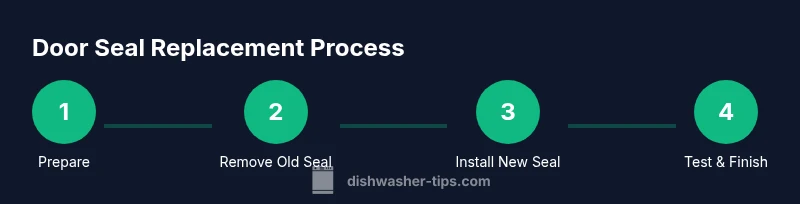
Removing the Old Door Seal (Step 1 of 3)
Access to the gasket starts with removing the inner door panel screws and lifting the panel away to reveal the gasket edge. Use a Phillips screwdriver to remove screws and keep them organized. With the panel removed, gently pry the gasket away from the door edge starting at a corner; if clips hold the gasket, use needle-nose pliers to release them without tearing the gasket. Take care not to scratch the door or dent the edge. If the gasket is adhesive-backed, use isopropyl alcohol to soften residue and make removal cleaner. After removal, wipe the groove clean and inspect it for nicks or burrs that could prevent a perfect seal.
Installing the New Door Seal
Position the new gasket into the groove, starting at the center or a predefined notch and working your way around. Press firmly to seat the lip into the groove fully and avoid twists or folds. Reinstall any clips or screws, following orientation marks from the old gasket. Reattach the inner door panel and tighten screws to the recommended torque; avoid overtightening, which can warp the panel and distort the seal. If your model uses an adhesive strip on the gasket, slowly press the strip to activate the adhesive without creating air pockets. Take your time; a rushed install is a common cause of leaks.
Testing the New Seal and Troubleshooting Minor Misfits
Reconnect power and run a short wash with a small amount of water initially; observe the door edge for leaks from different angles. Use a flashlight to inspect every corner; look for water pooling or dampness along the seal. If you see leaks, pause the cycle and recheck gasket seating and alignment. A light press along the entire edge can help identify mis-seated sections. If leaks persist, re-open the door, inspect for twists, kinks, or a gap at the corners, and adjust as needed. For stubborn leaks, replace with a new gasket of the exact profile rather than forcing a mismatch.
Maintenance Tips to Extend Seal Life
Keep the gasket clean by wiping with a damp cloth after cycles; avoid harsh cleaners that can degrade rubber or silicone. Periodically run a hot-water cycle with a clean filter to minimize mineral buildup. Use a rinse aid if your water is hard, which helps prevent mineral films from forming on the seal. Inspect the gasket edge monthly for cracks, tears, or signs of drying out, and address issues promptly. Store the dishwasher door with it slightly ajar after long gaps in use to allow the seal to rest and avoid deforming the lip.
Common Mistakes and Quick Fixes
Common mistakes include using the wrong gasket profile, failing to align the lip properly, or not seating the entire edge evenly. Do not apply silicone-based sealants to the door seam; they can interfere with the gasket’s elasticity and trap dirt. Avoid forcing a gasket into a mis-sized groove; instead, verify compatibility. If the door still leaks after replacement, re-check the hinge alignment and door latch; a misaligned door can defeat a fresh seal. For persistent leaks, consult the manufacturer’s instructions or a professional technician. Dishwasher Tips analysis shows that most seal-related leaks stem from improper installation or misaligned doors, not the gasket material itself.
Tools & Materials
- Model-specific dishwasher door seal/gasket kit(Ensure the gasket matches your exact model number (found on the ID plate or inside the door).)
- Phillips screwdriver (size #2)(For removing inner door panel screws.)
- Flat-head screwdriver or plastic pry tool(To lift the old gasket from the groove without damage.)
- Needle-nose pliers(Helpful for releasing stubborn clips.)
- Isopropyl alcohol (70%+)(For cleaning the door edge and removing residue.)
- Microfiber cloths(Dry and wipe surfaces after cleaning.)
- Bucket and towels(Contain drips during work.)
- Utility knife (optional)(Trim gasket if the fit is slightly long.)
- Gloves (optional)(Protect hands while handling sharp edges or metal fasteners.)
Steps
Estimated time: 60-90 minutes
- 1
Power off and prepare the work area
Turn off the breaker and unplug the unit if accessible. Place towels around the work area to catch drips and prevent water damage. This step reduces electrical risk and keeps you dry while you work.
Tip: Label the breaker or unplug at the outlet to ensure safety throughout the job. - 2
Access the door seal
Open the door and locate the inner panel screws around the door edge. Remove the screws with a Phillips screwdriver and keep them organized for reassembly.
Tip: Having screws in a labeled tray prevents mix-ups during reassembly. - 3
Remove the old gasket
Gently pry the gasket away from the door edge, starting at a corner. If there are retaining clips, use needle-nose pliers to release them without tearing the gasket.
Tip: Take a photo of the orientation before removal for reference. - 4
Clean the groove
Wipe the door-edge groove with isopropyl alcohol and a microfiber cloth to remove adhesive, old residue, and mineral buildup. Dry thoroughly before installing the new gasket.
Tip: A clean groove ensures a tight seal and even compression. - 5
Prepare the new gasket
Lay the new gasket next to the door and compare the profiles. If needed, trim a small amount to match the groove depth and ensure alignment with any notches or mounting holes.
Tip: Do not cut the gasket too short; small trims are easier to adjust than over-shortening. - 6
Install the new gasket
Begin seating the gasket into the groove from the center and work outward, ensuring the lip sits flush without twists. Reinsert any clips or screws as required by your model.
Tip: Press the gasket firmly with your fingers to avoid air pockets and ensure full seating. - 7
Reassemble the door
Reattach the inner door panel and tighten screws to the manufacturer’s recommended torque. Do not overtighten, which can warp the panel and distort the seal.
Tip: Double-check that the panel sits evenly against the door frame. - 8
Reconnect power and test
Plug in the unit and run a short wash with a small amount of water. Look closely for leaks around the seal and inspect all corners with a flashlight.
Tip: If you see any leaks, pause the cycle and re-check gasket seating and door alignment.
People Also Ask
How do I know if my dishwasher door seal needs replacement?
Look for cracks, tears, gaps along the gasket, mold around the seal, or water leaking around the door after cycles. A door that won’t seal properly or feels loose is a strong indicator that the gasket needs replacement.
Common signs include cracks, leaks, and a door that won’t seal properly.
Can I replace the seal myself, or should I hire a professional?
Many homeowners can replace a door seal themselves with basic tools and careful attention to orientation. If the model is complex or the door alignment seems off, a professional service can ensure proper seating and avoid further damage.
Yes, many people replace it themselves, but consult the manual if unsure.
Will replacing the seal fix all leaks if the tub is cracked or the door is misaligned?
If the door hinges, latch, or tub are damaged or misaligned, a new gasket may not stop leaks. Inspect the overall door alignment and tub integrity; address mechanical issues first for a reliable seal.
A new gasket helps, but other faults can cause leaks too.
How long does a typical door seal replacement take?
For most models, expect about 60 to 90 minutes, depending on your familiarity and the complexity of the door assembly.
Most people complete it in about an hour to an hour and a half.
Is there a universal gasket that fits all dishwashers?
No. Most dishwashers use model-specific gaskets. Always verify fit by checking the model number and gasket profile before purchase.
No universal gasket; you need a model-specific one.
What should I do if my dishwasher leaks after replacement?
Turn off power and recheck seating, orientation, and alignment. Check for misaligned door, damaged hinges, or a warped tub that could require professional service.
If leaks persist, recheck seating and alignment, and consider a professional check for door or hinge issues.
Watch Video
What to Remember
- Verify gasket compatibility with your model.
- Power off before starting to avoid shocks.
- Install evenly to prevent leaks.
- Test thoroughly after installation.
- Regular maintenance extends gasket life.