Clamp Dishwasher Drain Hose: A Step-by-Step Guide
Learn how to clamp dishwasher drain hose securely to prevent leaks. This expert, step-by-step guide covers clamp types, prep, installation, and testing for a reliable connection.


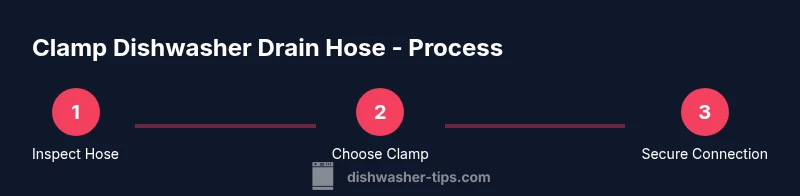
To prevent leaks and backflow, clamp the dishwasher drain hose securely to the waste line or disposal inlet, following best-practice guidelines. This step-by-step guide explains how to identify the correct hose and clamp size, prepare the connection, and install it correctly, plus post-install checks and safety considerations. We cover testing for leaks and what to do if you hear gurgling or see pooling water.
Why clamp dishwasher drain hose matters
The drain hose connection is a critical junction in the dishwasher drainage system. A properly clamped connection prevents leaks, backflow, and wastewater pooling under the sink. Fractured clamps or loose hoses are common sources of trouble, especially after maintenance or displacement during operation. By clamping the dishwasher drain hose correctly, you protect floors, cabinets, and your home's plumbing from back-siphon contamination. The clamp on this hose should match the hose diameter and be installed so the hose cannot slide out of the disposal inlet or waste line under normal operation. This simple step contributes to safety, reduces mold risk around the appliance, and supports long-term reliability.
Signs that your clamp needs attention
Leaking connections, damp cabinets, or a gritty residue around the hose are red flags that the clamp may be loose or the hose end is cracked. If you hear gurgling during the wash cycle or notice pooling water under the sink after a run, inspect the drain hose clamp and inlet connection first. Temperature changes and frequent cycling can loosen fittings over time, especially if the hose is bent or kinked. Routine checks help catch problems before they become costly repairs and prevent foul sewer smells from escaping into the kitchen.
Clamp types and hose compatibility
Dishwasher drain hoses typically pair with worm-drive (screw) clamps or spring clamps. Worm-drive stainless steel clamps offer a strong, adjustable seal that handles oscillating pressure well, while spring clamps are quicker to install but may lose tension over years of use. The key is selecting the clamp size that fits your hose diameter snugly without crushing the hose wall. Always choose corrosion-resistant material (stainless steel) for longevity, especially if you have hard water or frequent heat exposure around the disposal inlet. Matching the clamp to the hose diameter and inlet size minimizes leaks and backflow risks.
Choosing the right clamp size and type
Measure the outside diameter of the dishwasher drain hose at the point where it connects to the disposal inlet or waste line. Pick a clamp with a diameter that grips the hose with a comfortable margin—too tight and you may compress the hose; too loose and leaks will occur. For most residential hoses, a 1/2 inch to 3/4 inch range (or the exact diameter printed on the hose) is common. If you’re replacing an existing clamp, reuse a similar style unless the hose wall shows wear. Use a high-quality stainless steel worm-drive clamp for a durable, lasting seal that resists corrosion and remains tight through temperature fluctuations.
Preparing the hose and connection points
Before reattaching, inspect the hose end for cracks, brittleness, or soft spots. If you find any damage, replace the hose section rather than forcing a seal. Clean the disposal inlet and the hose end to remove residue, soap scum, or mineral buildup. Wipe dry to ensure the clamp has a firm surface to bite. If the hose is old or stretched, trim it evenly to the correct length so the connection sits fully seated against the inlet without kinking. A clean, straight hose end provides the best chance of a tight seal.
Post-install testing and leak checks
With the clamp secured, run the dishwasher empty on a hot cycle to test the seal under normal pressure. Look for damp spots at the hose end, disposal inlet, or clamp. If you see a leak, tighten the clamp a quarter turn at a time or reseat the hose, ensuring it is fully seated. A paper towel or dry cloth placed beneath the connection can help you spot tiny drips quickly. If leaks persist, inspect for hose cracks or inlet damage and consider replacing the entire outlet assembly for a lasting fix.
Maintenance tips to extend hose life
Perform a yearly visual inspection of the drain hose and clamp. Look for corrosion, cracks, or worn hose ends, and replace components as needed. Avoid over-tightening clamps, which can pinch the hose wall. Ensure the hose routing avoids sharp bends and displacement during dishwasher operation. Keeping a spare hose and a couple of clamps on hand means you can address wear-and-tear quickly without a full service call.
Common mistakes and how to avoid them
Common errors include using the wrong clamp size, choosing a non-corrosion-resistant clamp, and over-tightening. Another frequent misstep is failing to secure the hose away from heat sources or vibration points, causing gradual loosening. Always align the hose straight to the inlet, use the correct clamp type, and test with actual wash conditions before counting the job done. These precautions reduce leaks, protect cabinets, and maintain plumbing integrity.
Quick reference checklist
- Confirm the hose diameter and choose the correct clamp size
- Inspect both hose and inlet for wear before reinstall
- Clean and dry surfaces thoroughly before securing
- Tighten the clamp snugly without crushing the hose wall
- Test with a hot-wash run and inspect for leaks
Tools & Materials
- Hose clamps (stainless steel worm-drive)(Choose clamps that fit your hose diameter (typically 1/2)
Steps
Estimated time: 30-45 minutes
- 1
Power off and prepare
Shut off the dishwasher power at the circuit and turn off the water supply if needed. Unplug the dishwasher or switch it off at the breaker, and have towels ready. This keeps you safe while working and prevents accidental spills.
Tip: Keep a dry mat under the area to catch any residual water. - 2
Locate the drain hose
Find the drain hose where it attaches to the disposal inlet or waste tee. Check for any signs of wear, cracks, or kinks that could compromise the seal.
Tip: If the hose has a kink, straighten it gently to restore proper flow. - 3
Remove the old clamp and hose
Loosen and remove the existing clamp, then carefully pull the hose from the inlet. Inspect the hose end for damage; replace if necessary.
Tip: Keep a small bucket handy in case water escapes during removal. - 4
Inspect or replace the hose
Examine the hose wall for cracks or brittleness. If you see any wear, cut back a small section or replace the hose to ensure a good seal.
Tip: A damaged hose is a false economy—replace it rather than patching. - 5
Choose and apply the new clamp
Select a clamp that matches the hose diameter and is made of corrosion-resistant stainless steel. Slide the clamp over the hose end before reconnecting.
Tip: Do not over-tighten—hand-tight plus a quarter turn is usually sufficient. - 6
Reconnect to the inlet
Push the hose onto the disposal or waste inlet until seated firmly. Position the clamp over the hose end and tighten.
Tip: Ensure the hose sits straight and does not bend at the connection. - 7
Tighten the clamp
Secure the clamp so that it grips the hose without compressing the wall. Double-check alignment before starting a test run.
Tip: Use a screwdriver to snugly secure the clamp if needed. - 8
Test for leaks
Run a hot-water cycle with the dishwasher empty. Look for drips at the hose, clamp, and inlet. Reset if you see moisture.
Tip: Place a towel under the area during testing. - 9
Final checks and cleanup
Wipe down the area, remove tools, and store spare clamps and hose in a labeled container for future maintenance.
Tip: Note the date of the installation for future reference.
People Also Ask
Do I need to replace the hose if the end is cracked?
Yes. A cracked end can cause leaks even with a new clamp. Replacing the hose ensures a reliable seal and reduces the risk of wastewater exposure.
If you see cracks, replace the hose to ensure a solid seal and prevent leaks.
Can I clamp near the garbage disposal or only at the sink inlet?
Clamp can be installed at the disposal inlet or the sink inlet, depending on where the hose reaches. Ensure the connection is secure and the clamp is accessible for future maintenance.
Clamp where the hose ends securely fit and are easy to access for checks.
What if leaks persist after fitting a new clamp?
If leaks persist after tightening, inspect for cracks in the hose, worn inlet threads, or misalignment. Replace damaged components and re-test.
If leaks persist, check hose and inlet for damage and replace as needed.
What is the best clamp type for longevity?
A stainless steel worm-drive clamp generally offers the best long-term seal and durability in a dishwasher installation.
Stainless steel worm-drive clamps are typically the most durable choice.
Can I reuse old clamps after replacing the hose?
If the old clamp is intact and fits the new hose securely, you can reuse it. Otherwise, replace with a new clamp for a proper seal.
Reuse only if it’s in good condition and fits the new hose snugly.
Watch Video
What to Remember
- Secure the drain hose with the correct clamp size.
- Inspect hose integrity before reinstalling.
- Test the system under hot conditions to confirm a leak-free seal.
- Regularly inspect clamps to prevent future leaks.
- Use corrosion-resistant clamps for longevity.