How to Install a Dishwasher Drain Hose Extension
Learn how to add a dishwasher drain hose extension safely, with practical sizing, fittings, and leak prevention tips. Dishwasher Tips guides homeowners and renters through compatible extensions and secure connections.


Learn how to install a dishwasher drain hose extension safely, ensuring proper sizing, secure connections, and leak prevention. This step-by-step guide covers compatibility with your disposal or sink drain, the right fittings, and how to test for leaks. According to Dishwasher Tips, choosing the correct extension and clamps is key to reliable drainage.
Understanding when you need a dishwasher drain hose extension
When your dishwasher's drain hose cannot reach the sink drain, disposal, or air-gap device, a length adjustment becomes necessary. A correctly chosen extension allows water to flow directly into the drain path without sharp bends, sagging, or kinks that slow drainage or create leaks. If you move the dishwasher, remodel the kitchen, or change the routing of the drain, measure the available path and plan a straight, gravity-assisted route to minimize backflow risk. Keep the hose above the cabinet floor and avoid looping it around sharp edges. According to Dishwasher Tips, ensure the extension matches your current hose diameter and is compatible with your disposal or sink connection to reduce leaks and backflow risk.
Choosing the right extension and fittings
Select a drain hose extension that matches the end fittings on your dishwasher and your drain path. Materials range from flexible rubber or PVC to braided stainless steel; choose based on temperature resistance, chemical exposure, and flexibility. Look for secure clamps that fit your hose diameter and a connector that does not introduce sharp bends. Avoid extensions that are significantly longer than required, as extra length can trap debris and create backpressure. Dishwasher Tips analysis notes that using a sturdy clamp and a simple straight or angled connector reduces the chance of leaks and keeps the drainage path clean.
Installation planning and safety considerations
Before touching electrical or water connections, unplug the dishwasher or switch off the dedicated circuit and close the water valve. Plan a clean routing that avoids crossing hot surfaces or moving parts. If your local code requires an air gap, install one between the dishwasher drain hose and the drain or disposal. Check that the extension sits securely with no loose clamps; a poor fit can cause leaks during a wash cycle. The Dishwasher Tips team emphasizes safety first and recommends a controlled setup in a dry area.
Common mistakes and how to avoid them
Common errors include choosing too short or too long an extension, selecting mismatched fittings, and failing to secure clamps. Avoid bending the hose at tight angles, which can slow drainage or crack the hose. Do not reuse old clamps if they are worn; replace with new ones to ensure a tight seal. Always test with a short cycle after installation to confirm there are no leaks and that water flows freely. Dishwashers Tips notes that testing after installation is the best way to confirm everything is working properly.
Maintenance and long-term care
Inspect the hose and clamps every few months, especially after remodels or moving the appliance. Clean any debris or kinks; ensure the path remains clear from dishwasher to drain. If you notice slow drainage or water pooling under the unit, stop and recheck the connections. Regular checks reduce the likelihood of leaks and extend hose life. Keeping the routing simple with minimal bends also helps prevent repeated wear on the extension.
Authority sources and safety guidance
Reliable information comes from published guidelines and appliance safety resources. For readers seeking formal references, we include ENERGY STAR and CPSC guidelines, along with general plumbing safety practices. Always verify local code requirements for air gaps and drainage when extending a dishwasher hose. See the links in the Authority Sources section for official guidance.
Tools & Materials
- Dishwasher drain hose extension kit(Ensure kit matches your hose diameter and clamp style)
- Adjustable pliers(For loosening and tightening hose clamps)
- Screwdriver (Phillips #2)(For securing hose clamps)
- Clamps compatible with hose(Use stainless steel or metal clamps rated for dishwasher use)
- Bucket or towels(Catch water when disconnecting old hose)
- Safety gloves(Protect hands during disassembly)
Steps
Estimated time: 30-60 minutes
- 1
Plan and measure
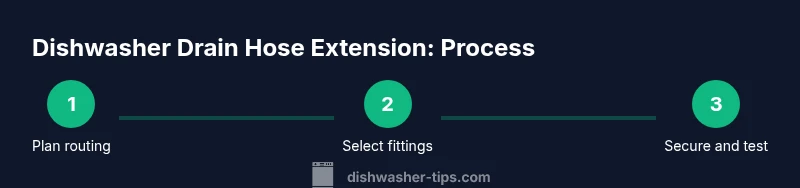
Assess the route from the dishwasher to the drain: where the hose will run, what bends are needed, and the maximum safe length. Measure the path to ensure the extension will reach without taut tension or excessive slack. Confirm there is no interference with cabinet doors or plumbing beneath the sink.
Tip: Double-check clearances under the sink before buying the extension to avoid later rework. - 2
Shut off power and water
Unplug the dishwasher or switch off its dedicated circuit. Close the sink or dishwasher water valve to prevent accidental flooding during disconnection. This keeps you safe and prevents water damage.
Tip: Test for power shutdown with a quick plug-in of a non-essential device if unsure. - 3
Disconnect the old drain hose
Loosen and remove the clamp securing the existing drain hose, then carefully detach it from the disposal, sink, or air gap. Have a bucket ready for any residual water. Do not yank the hose; work gradually to avoid damaging fittings.
Tip: Take a photo of the original setup for reference during reassembly. - 4
Attach the extension to the dishwasher
Connect the new extension to the dishwasher’s drain outlet using the appropriate fitting. Tighten the clamp securely so there is no slack that could slip during a wash cycle. Ensure the connection sits straight and avoids sharp bends.
Tip: Apply a light dab of silicone lubricant on the gasket if it’s difficult to slide the connector over the outlet. - 5
Connect to drain path with proper fittings
Attach the other end of the extension to the drain path (disposal, sink tailpiece, or air gap) using the correct connector. Use clamps rated for the hose and verify there are no kinks. Confirm the path remains sloped toward the drain to promote gravity-driven flow.
Tip: Avoid overly tight clamps that crush the hose; keep a snug fit without pinching. - 6
Secure and test for leaks
Tighten all clamps and ensure hoses are secured away from moving parts. Restore power and run a short wash cycle to check for leaks. Look under the sink for any water seepage and inspect clamps again.
Tip: Run a quick test with a small amount of water to limit potential overflow during testing. - 7
Document and monitor
Record the extension length and connector types used for future reference. Monitor the setup over the next few cycles for any signs of wear or leakage. If issues appear, re-tighten clamps or adjust routing as needed.
Tip: Keep a simple note with the extension model and date of installation for maintenance reminders.
People Also Ask
Can a dishwasher drain hose extension fix not draining issues?
Extending the drain hose can help reach the drain and proper routing, but it won't fix a clogged pump or filter. Ensure proper fittings and avoid siphoning.
Extending the hose helps with routing, but a clogged pump isn't solved by extending the hose.
What sizes or fittings should I look for?
Most hoses use standard end fittings; choose an extension that matches your hose diameter and clamp style for a secure seal.
Look for matching diameter and clamp style for a secure seal.
Can I connect to a garbage disposal or air gap?
Yes, you can connect to a disposal or through an air gap where required by code; ensure the extension preserves the air gap and prevents backflow.
You can connect to disposal or air gap if your code requires it; maintain the air gap.
Do I need to hire a pro?
If you’re unsure about plumbing connections or local codes, consider a handyman or plumber to avoid mistakes.
If you're unsure, consider hiring a pro.
How long does installation typically take?
Most installations take 30-60 minutes depending on routing and access.
Plan for about half an hour to an hour.
Watch Video
What to Remember
- Plan the route before buying parts
- Match extension to hose diameter and fittings
- Secure clamps firmly but avoid over-tightening
- Test for leaks after installation
- Maintain a simple, gravity-friendly drain path