Detroit Dishwasher Repair: Troubleshooting, Fixes & Tips
A practical, step-by-step guide to dishwasher repair detroit for homeowners and renters. Learn safe diagnostics, common Detroit issues, and how to choose the right local pro with tips from Dishwasher Tips.


Detroit dishwasher repair requires a clear plan: identify common failure modes, ensure safety first, and decide between DIY fixes and pro service. This guide walks Detroit homeowners through safe diagnostics, practical repair steps, and selecting trusted local technicians. By following these steps, you can restore function, save time, and reduce waste, with guidance backed by Dishwasher Tips, and keep your warranty safe.
Why Detroit matters for dishwasher repair
Detroit homeowners face unique service landscapes: urban neighborhoods, older homes, and variable access to parts. This section explores how local factors influence routine maintenance, part availability, and timing for repairs. According to Dishwasher Tips, a pragmatic approach combines quick DIY diagnostics with selective professional help, especially when wiring or control boards are involved. For residents troubleshooting dishwasher repair detroit, understanding local constraints helps prioritize safety, cost, and downtime while keeping your appliances reliable.
Common failures seen in urban Detroit homes
Not draining, poor drying, unusual noises, and leaks top the list for dishwashers in city settings. In many cases, grime and mineral buildup from hard water contribute to clogged spray arms or filters, reducing cleaning efficacy. Switches and sensors can wear out with age, causing start errors or incorrect cycle selection. The Dishwasher Tips team notes that addressing symptoms early saves water, energy, and frustration, especially where access to service teams might be limited. When a problem shows up consistently in Detroit, it’s worth modeling a quick diagnostic plan to identify the root cause.
Safety-first: unplug, shut off water, and reset
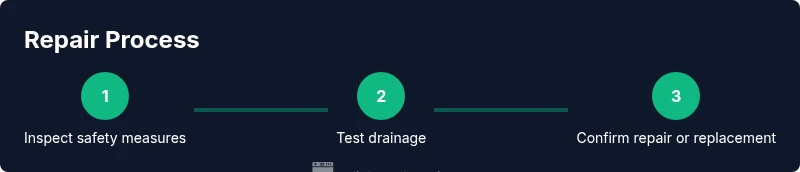
Before inspecting components, unplug the unit and switch off the home water supply or the dishwasher's dedicated circuit. Wear eye protection and keep a bucket nearby to catch any leaking water. A safe reset—disconnecting the power for a minute and reconnecting—can clear minor electronic glitches without part replacement. If you smell burning or see melted plastic, stop and call a pro immediately. In dishwasher repair detroit scenarios, safety can’t be skipped, especially around exposed electrical components.
Diagnosing drainage problems without tools
Start with the simplest culprits: clogged filters, kinks in the drain hose, and a blocked garbage disposal connection. Remove and rinse the filter, then check the drain hose for folds or clogs. Ensure the air gap (if your model uses one) is clear. These checks often solve not-draining issues common in dishwasher repair detroit cases without needing specialized equipment. Keeping a routine inspection schedule helps prevent recurring drainage problems and keeps water from backing up into cabinets.
Testing the pump and control board with basic checks
For issues not solved by cleaning, inspect the pump and impeller housing for obstructions. With the power off, listen for the pump motor during a cycle and test continuity if you have a multimeter. A faulty pump or flow sensor can prevent draining or accurate cycle control. If you identify a defective component, plan to replace it rather than attempting a precarious repair. When dealing with Detroit homes, sourcing compatible parts quickly reduces downtime.
Repair vs replace: considerations for Detroit households
Repairing a dishwasher is often cost-effective for minor part failures, while chronic problems or dated control boards may push toward replacement. Consider the age of the machine, availability of parts, and energy efficiency gains from newer models. The Dishwasher Tips analysis suggests weighing labor time, potential water waste, and future reliability when deciding between DIY fixes and professional service in the Detroit area. This careful evaluation helps homeowners in Detroit avoid recurring outages and high energy costs.
Finding and vetting Detroit-area repair pros
Begin by searching for licensed technicians who specialize in dishwashers near Detroit. Check reviews, verify warranties on labor and parts, and confirm whether they offer same-day assessments. Ask about parts sourcing, emergency rates, and whether they carry insurance. A trusted pro can diagnose quickly, provide transparent pricing, and minimize downtime for your household. Leveraging local expertise ensures quicker turnaround and better long-term reliability, especially in busy urban kitchens.
Maintenance habits to extend dishwasher life in busy Detroit kitchens
Schedule regular filter cleanings, run hot cycles periodically, and use a rinse aid to improve drying in hard water areas. Keep an eye on seal integrity and door latches, as these wear with frequent opening. Monthly checks for clogs and a yearly professional tune-up help prevent major failures. Following these routines reduces the likelihood of urgent dishwasher repair detroit scenarios and keeps your kitchen functioning smoothly. Proactive upkeep also preserves energy efficiency and waste reduction in an urban setting.
Tools & Materials
- Phillips head screwdriver (#2)(To remove screws on access panels)
- Flathead screwdriver(For prying plastic components carefully)
- Multimeter(Measures continuity and voltage in circuits)
- Needle-nose pliers(Grip hoses/connectors without damage)
- Towels or small bucket(Catch water and keep workspace dry)
- Work light / headlamp(Improve visibility inside panels)
- Replacement parts (pump, float switch, gaskets)(Only if you’ve confirmed fault)
Steps
Estimated time: 45-60 minutes
- 1
Power down and disconnect
Unplug the dishwasher and switch off the dedicated circuit or breaker. This prevents electric shock and accidental startup while you inspect components.
Tip: Always confirm power is off with a quick plug-in test before touching wires. - 2
Access the service panel and fault codes
Remove the kick plate and access panel to locate any fault codes or indicator LEDs. Refer to the model manual for code meanings to target the right area.
Tip: Take a photo of any codes for later reference when you search for parts. - 3
Check drain hose and filters
Inspect and clean the filter, drain hose, and air gap (if present). Look for kinks or blockages that prevent water flow.
Tip: Remove the filter and run water through it to dislodge stubborn debris. - 4
Test the pump and check continuity
With power still off, test the pump assembly for obstruction and use a multimeter to verify continuity on the pump and related sensors.
Tip: If you hear grinding or see no continuity, the part is likely faulty. - 5
Replace faulty parts if needed
Install the replacement part following the manufacturer’s instructions. Ensure seals are seated properly to prevent leaks.
Tip: Only replace one part at a time to isolate the issue. - 6
Run a test cycle and inspect
Reconnect power, run a short test cycle, and observe for leaks, drainage, and correct operation. Verify dishes come out clean and dry if compatible.
Tip: Capture a short video for future reference if something seems off.
People Also Ask
What are the most common dishwasher problems in Detroit homes?
Not draining, poor cleaning, leaks, and start failures are frequent. These often stem from clogged filters, worn seals, or aging control boards. Quick fixes work for minor symptoms, but persistent issues usually require professional assessment.
Common problems include not draining, poor cleaning, leaks, and startup failures, often from clogs, worn seals, or aging boards.
Do I need professional help for dishwasher repair in Detroit?
DIY fixes are viable for simple problems like clogged filters or hose kinks. Electrical or sensor issues typically require a licensed technician with proper tools and safety practices.
DIY is fine for simple issues, but electrical or sensor problems usually need a licensed technician.
Can I diagnose dishwasher problems myself safely?
Yes, start with unplugging the unit, turning off water, and inspecting filters. Avoid touching live circuits and never work with wet hands near electrical components.
Yes. Begin with safety steps like unplugging and inspecting filters, and avoid working on live electrical parts.
How long does a typical dishwasher repair take?
Durations vary by issue. Minor fixes can be quick, while more complex repairs may take longer depending on parts availability and access.
It depends on the issue; minor fixes are quicker, more complex repairs take longer depending on parts.
Where can I find trustworthy dishwasher repair services in Detroit?
Search for licensed technicians with good reviews, ask about warranties, and confirm service guarantees. Verify insurance and parts sourcing policies before booking.
Look for licensed pros with solid reviews, clear warranties, and insured service.
Watch Video
What to Remember
- Safety first: disconnect power before inspection.
- Identify root cause before replacing parts.
- Source parts locally to Detroit to reduce downtime.
- Document steps and keep a service log for warranty needs.