Fagor Dishwasher Troubleshooting: Fix, Maintain, and Optimize
A comprehensive, step-by-step guide to diagnose, repair, and maintain your fagor dishwasher. Practical tips, safety guidance, and when to seek professional help—trusted by Dishwasher Tips.


Learn how to diagnose and fix common issues with a fagor dishwasher, from poor cleaning to leaks and startup failures. This quick guide highlights the essential tools, safety steps, and 6 practical checks you can perform before calling a professional. Followable steps ensure homeowners can restore performance with confidence. It emphasizes safe disassembly and when to unplug.
Why a Fagor Dishwasher Reliability Matters
Fagor dishwashers are widely used in homes for reliable, quiet cleaning, but no appliance is completely maintenance-free. The fagor dishwasher you depend on for daily meals deserves a proactive approach to care and troubleshooting. When components wear, mineral buildup forms, or filters clog, performance drops quickly, leading to re-washing, higher water usage, and frustration. The Dishwasher Tips team emphasizes that most failures are not mysterious breakdowns but predictable patterns tied to routine wear: clogged filters, dirty spray arms, diminished water pressure, and leaking seals. By recognizing these patterns early, homeowners can address problems before they escalate, saving time, money, and frustration. Regular inspections—especially of seals, hoses, and the filtration system—pay dividends in longer service life and consistent results. According to Dishwasher Tips, maintaining seals and filters is one of the most cost-effective steps a homeowner can take to preserve a fagor dishwasher’s performance. This guidance helps users approach repairs with clarity and confidence, reducing anxiety and avoiding unnecessary replacements.
In practice, you’ll gain a working understanding of how a fagor dishwasher operates: water is sprayed through rotating arms, filtered, heated, and circulated to rinse and dry. When any stage is compromised, performance suffers. The goal of this guide is to help you pinpoint the root cause, choose safe, practical fixes, and know when a pro should be involved. Building familiarity with the common failure modes empowers you to make informed decisions and maintain your appliance effectively.
Top Features to Consider When Servicing a Fagor Dishwasher
Modern fagor dishwashers come with several features that influence repair priorities and maintenance needs. A solid understanding of the filtration system, spray arms, heater element, water inlet valve, and door seals helps you locate the root cause of most performance issues. The fagor dishwasher filtration system traps food particles before water reaches the pump; a clogged filter reduces cleaning quality and increases wash times. Regular cleaning of the filter and trap helps prevent recurring problems. Spray arms must rotate freely; cracks or mineral buildup robbing the spray nozzles of flow will leave dishes filthy and miss the rinse quality you expect.
Heating elements ensure water reaches the correct temperatures for effective cleaning and proper drying. If the heater malfunctions, you may notice longer cycles and wet or damp dishes. A sluggish or failing water inlet valve reduces water pressure, affecting both wash quality and cycle duration. Check supply hoses for kinks or obstructions that restrict flow. The door latch and tub gasket play crucial roles in keeping leaks at bay; a worn seal can let moisture escape, degrade drying performance, and trigger leak indicators. Regular inspection of these parts, along with occasional descaling to combat hard water buildup, helps preserve performance and extend the life of the fagor dishwasher.
Common Symptoms and What They Mean
Identifying symptoms promptly can prevent minor issues from becoming major repairs. Here are typical signals and their likely causes in fagor dishwashers:
- Dishes come out dirty or spotty: The filter or spray arms may be clogged; check and clean both thoroughly. Detergent usage and water temperature also matter; ensure the correct soap and hot water are used. Mineral buildup can reduce spray efficiency, so descaling may be appropriate.
- Water remains in the bottom after cycle: A blocked drain hose, pump, or filter can prevent complete drainage. Inspect the drain assembly and ensure the flex hose is free of kinks or obstructions.
- Dishwasher doesn’t start: Verify the unit is plugged in, the door latch engages properly, and the control panel shows the correct indicators. A blown fuse or tripped circuit breaker can mimic a failure to start.
- Leaks around the door or base: Inspect the door gasket for wear, replace if cracked or deformed, and check hose clamps for tightness. A cracked tub or loose fittings can also cause leaks.
- Not drying dishes: Rinse aid usage, damaged vent, or a faulty heating element can impair drying performance. Ensure rinse aid is properly filled and the heating element is functioning.
For each symptom, a careful inspection of filters, seals, and spray arms often resolves many issues without part replacements. Remember that model variations exist—consult your fagor dishwasher manual for parts compatibility and service guidance.
Step-By-Step Diagnostic Overview
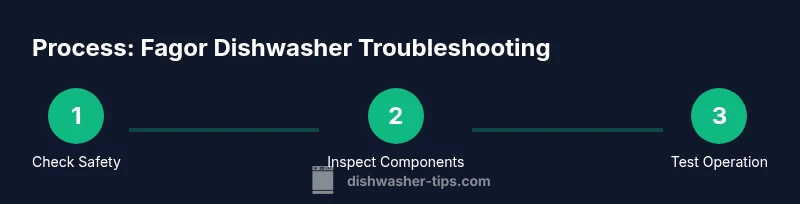
A practical diagnostic flow helps narrow down common failure points in a logical sequence. Start with a safety check, then verify electrical supply, door operation, and water flow. From there, inspect filters, spray arms, seals, and drainage components. The goal is to identify which stage is failing and avoid unnecessary part replacements. This overview sets the stage for the detailed steps that follow in the dedicated STEP-BY-STEP section.
Cleaning and Maintenance Practices to Extend Lifespan
Preventive maintenance is the best defense against recurring problems in a fagor dishwasher. A consistent cleaning routine reduces mineral buildup, keeps spray arms clear, and maintains proper water flow. Routinely inspect and clean the filter and debris screen; a clogged filter undermines cleaning performance even if the pump is healthy. Descale the interior using vinegar or a commercially approved descaler if you notice white mineral deposits—particularly in areas with hard water. Refill rinse aid as needed to improve drying and reduce water spots. If your model supports it, use the recommended detergent type and amount for your load size and soil level. Temperature matters; ensure the wash water reaches the recommended minimum temperature for sanitation. Finally, inspect door seals and hose connections for wear and tighten loose clamps to prevent leaks. A short quarterly maintenance check can dramatically extend the life of a fagor dishwasher.
Troubleshooting: Not Cleaning Dishes Properly
If dishes aren’t coming out clean, start by checking the filtration system and spray arms. Remove the filter and clean the screen to remove trapped food particles. Inspect spray arms for cracks or obstructions; clean or replace as needed. Verify water temperature; if your supply is cool, run hot water at the sink for several minutes before starting a cycle to boost cleaning effectiveness. Check detergent compatibility and verify you use the correct amount for your load. Finally, ensure you’re loading dishes correctly—overloading can block spray paths. These steps often resolve cleaning issues without expensive repairs.
Water Leaks and Drainage: How to Fix Common Issues
Leaks typically originate from worn door seals, loose hose clamps, or a cracked tub. Start by inspecting the door gasket for damage and replacing it if necessary. Tighten all hose clamps and verify that hoses are properly seated without kinks. A damaged tub or faulty drain seal may require professional replacement. For drainage problems, inspect the filter and pump for blockages, and confirm the drain hose is clear and correctly positioned to prevent backflow. Regularly inspecting these components helps prevent water damage and inefficient cycles.
When to Call a Professional and What They Will Do
If your fagor dishwasher shows signs of electrical faults, persistent leaks, or a failure to drain after exhausting basic checks, it’s prudent to contact a qualified technician. A professional will perform diagnostic testing, verify controller operation, and test the heating element, motor, and safety switches. They will check for model-specific parts compatibility and ensure compliance with safety standards. While DIY fixes cover many common issues, licensed service providers can accurately diagnose intermittent faults and replace components with the correct tools and procedures.
How to Choose Replacement Parts for a Fagor
Part compatibility is essential when replacing seals, filters, or the heating element. Identify your model number and consult the official parts list or a trusted supplier specializing in fagor dishwasher components. Prefer OEM parts when possible for reliability and warranty considerations. For hard-water regions, consider components designed to handle mineral buildup, and periodically descale to preserve performance. Always verify electrical ratings and fitment before purchase, and follow the manufacturer’s installation instructions to avoid damage or safety risks.
Tools & Materials
- Safety gear (gloves, eye protection)(to protect hands and eyes during inspection)
- Flathead screwdriver(for prying panels gently)
- Phillips screwdriver(for screws on access panels and filter housing)
- Torx driver set (T20/T25)(optional for some screws)
- Nut driver or pliers(for clamps and hose fittings)
- Bucket and towels(to manage spills and catching water)
- Soft brush or old toothbrush(for cleaning filters and spray arms)
- Vinegar or descaling tablet(for mineral buildup)
- Multimeter (optional)(for electrical testing)
- Model-specific manual or parts list(have model number handy)
Steps
Estimated time: 60-120 minutes
- 1
Unplug and safety check
Before touching any internal components, unplug the unit from the wall outlet and switch off the circuit breaker if accessible. Wait a full 60 seconds to ensure capacitors discharge and everything is safe to handle. This reduces the risk of electric shock and protects sensitive parts during inspection.
Tip: Always start with safety; never work on live electrical components. - 2
Inspect door seal and latches
Open the door and examine the gasket for cracks, tears, or deformations. A worn seal can cause leaks and drying issues. Ensure the latch catches firmly and the door aligns properly with the tub.
Tip: A bright flashlight helps reveal hairline cracks you might miss with the naked eye. - 3
Remove and clean the filter assembly
Access the filter housing, remove the filter and debris screen, and rinse under running water. Clear food particles and mineral deposits so water can circulate freely. Reassemble firmly to maintain proper pressure.
Tip: Use a soft brush to dislodge stubborn buildup without scratching plastic parts. - 4
Inspect and clean spray arms
Take off spray arms if accessible and check for clogs in the nozzles. Rinse and remove any obstructions. Spin arms to confirm smooth rotation and absence of binding.
Tip: If spray arm holes appear worn, replace them to restore spray pattern. - 5
Check drain pump, hose, and filter
Inspect the drain hose for kinks and ensure it routes properly to prevent backflow. Remove any clogs from the pump area and recheck that the filter is clear. A blocked drain is a common cause of standing water after cycles.
Tip: Have a bucket ready to catch residual water during this step. - 6
Test water inlet valve and water supply
Make sure the incoming water supply is fully open and the inlet hose is not kinked. If you suspect a valve fault, you may need to test continuity with a multimeter or consult a technician for replacement.
Tip: Hard water can cause mineral buildup in the inlet valve; consider descaling if you notice mineral deposits.
People Also Ask
Why is my fagor dishwasher not cleaning dishes properly?
Poor cleaning is usually due to a clogged filter or spray arms, insufficient water temperature, or wrong detergent use. Start by inspecting and cleaning the filter, then check spray arms for obstructions and verify water is hot enough for effective cleaning.
If your dishes aren’t cleaning, start by cleaning the filter and spray arms, and check the water temperature to ensure good cleaning power.
Why won't my fagor dishwasher drain water?
A blocked drain hose, a clogged pump, or a full filter can prevent drainage. Inspect the hose for kinks, clean the filter, and listen for the pump running during the drain cycle. If the pump is silent or loud, a professional may be needed.
If it won't drain, check the hose and filter for blockages, and listen for the drain pump operating.
Is it safe to descale a fagor dishwasher with vinegar?
Vinegar can be used for light descaling in some models, but check your manual first. Excessive use or strong descalers can damage seals or components. Use approved descalers if available and follow the product instructions closely.
Vinegar can be used cautiously, but confirm with your manual and avoid harsh concentrates.
How do I replace a clogged filter on a fagor dishwasher?
Power off the unit, remove the filter housing, take out the old filter, and install the new one per model instructions. Clean surrounding parts before reassembly and test the cycle to ensure proper function.
Turn off power, swap the filter following your model's steps, and run a test cycle.
What should I do if the dishwasher stops mid-cycle?
Mid-cycle stops can be caused by a faulty control board, door latch, or power supply issue. Check the door latch and power outlet, then try resetting the cycle. If it persists, professional diagnosis may be required.
If a cycle stops mid-way, check the latch and outlet, reset, and seek professional help if it continues.
Watch Video
What to Remember
- Identify symptoms early to prevent bigger problems
- Regular maintenance reduces costly repairs
- Know when to replace parts vs. call a pro
- Follow safety-first practices on every inspection
- Use model-specific parts for compatibility