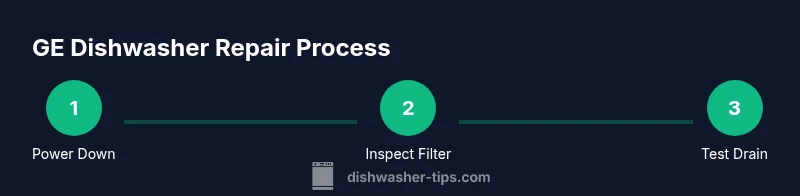
General Electric Dishwasher Repair: A Homeowner’s Step-by-Step Guide
Learn practical GE dishwasher repair techniques for homeowners. This guide covers common drainage, power, and cleaning issues with safe, step-by-step instructions suitable for DIY enthusiasts.


You can diagnose and repair common General Electric dishwasher problems at home by checking drainage, door latch, and spray arms. Start with safety: unplug the unit and turn off the water supply. Then follow a step-by-step approach to inspect the filter, pump, and door switch before considering professional service. This guide uses plain-language instructions and safety reminders.
Understanding General Electric Dishwasher Repair: Scope, Safety, and Roles
General Electric dishwashers are built to last, but wear and tear, mineral buildup, and power glitches can lead to performance issues. In this guide, we focus on practical GE dishwasher repair skills homeowners can handle safely. Throughout, you will see references to common symptoms like poor draining, loud operation, leaks, and failure to start. According to Dishwasher Tips, basic maintenance and correct troubleshooting steps reduce the likelihood of expensive service calls and extend the life of your appliance. This section lays the foundation for a practical, no-fluff approach to DIY repair, emphasizing safety first, diagnostic thinking, and keeping spare parts organized. We’ll cover typical failure modes, how to test critical components, and how to decide when a professional should be consulted. The aim is not to turn you into a GE technician, but to empower you to identify issues, perform safe inspections, and communicate clearly with service professionals when needed. In addition, this guide keeps a door open for future maintenance routines that prevent breakdowns while maximizing efficiency.
A quick note on scope: many GE dishwasher repairs involve common subsystems like drainage, filtration, and door mechanisms rather than complex electronics. By mastering these areas, you’ll gain confidence in diagnosing issues and making informed decisions about repair versus replacement. The information here respects warranty considerations and emphasizes safety above all else. For homeowners, the goal is to achieve reliable performance while avoiding unnecessary service calls and unexpected costs.
Diagnosing Drainage and Pump Issues
Drainage problems are among the most frequent GE dishwasher complaints. Start by inspecting the lower filter basket and screen for debris that blocks water flow. A clogged filter can reduce cleaning performance and cause standing water. Next, examine the drain hose for kinks, clogs, or an improper loop height that prevents water from exiting the tub. If you hear a humming or whining noise during the drain cycle, the pump impeller may be obstructed or worn. In any case, removing obstruction and cleaning the pump housing is a common and effective fix. When diagnosing drainage, confirm that the garbage disposal or sink drain connected to the dishwasher is not backing up, as that can create a backflow condition. Routine checks of the pump, impeller, and hose alignment dramatically reduce recurrence of drainage issues.
Tip: Keep a small container and towels handy to catch any residual water during filter removal. If the water doesn’t drain after thorough cleaning, the pump or check valve may require professional testing.
Electrical Controls: Door Latch, Control Board, and Fuses
If the GE dishwasher won’t start, electrical faults are a frequent culprit. Begin by checking the door latch switch; a faulty latch can prevent the unit from powering on. Listen for click sounds when attempting to close the door, and inspect the strike plate for alignment. Next, inspect the control panel for obvious signs of damage and test fuses or breakers in the home electrical panel. For more advanced checks, a multimeter can verify voltage at the control board harness and at the power input. Be mindful that control boards and electronic modules can fail without obvious external symptoms, and diagnosing them may require professional service. This section emphasizes safe testing practices and adherence to electrical safety standards.
Pro tip: If any panel components are warm or if you notice burning smells, discontinue testing and contact a qualified technician immediately.
Cleaning, Filters, and Regular Maintenance
Regular cleaning and maintenance prevent many GE dishwasher problems. Start with a thorough filter cleaning: remove the filter assembly, rinse under running water, and scrub with a soft brush to remove trapped food particles. Clean spray arms to remove spray holes obstructions, and check the channeled paths to ensure water reaches all racks. Wipe the door seals and the tub gasket to remove residue and detect cracks early. Don’t forget to run a cleaning cycle with a dedicated dishwasher cleaner or a vinegar rinse occasionally, depending on the manufacturer’s recommendations. Maintenance also includes checking the float switch and sensor surfaces to ensure accurate water level readings. Consistent care reduces mineral buildup, improves drainage, and sustains efficiency.
Tip: Schedule a monthly quick clean and annual deep clean as a practical routine.
When to Repair vs. Replace: Cost and Age Considerations
Deciding between repair and replacement hinges on the specific issue, repair cost, appliance age, and the value you place on convenience. If the needed part or labor is high relative to a new unit, replacement may be more economical in the long run. Consider assessing the dishwasher’s age, frequency of past repairs, and the energy efficiency of a newer model. If a single significant component (like the control board or pump) fails repeatedly, or a major leak occurs, replacement could be preferable. This section encourages homeowners to weigh short-term fixes against long-term reliability and operating costs, plus potential savings from improved energy efficiency.
Remember, the goal is to avoid recurrent service calls and costly repairs. A well-maintained GE dishwasher can serve efficiently for many years, but fixed-age data and general wear must guide your decision.
Safe Disassembly: What You Can Do Without Hazardous Steps
A careful, non-destructive inspection can be performed with basic tools. Begin by unplugging the unit and securing the area to catch any spills. Remove racks, take out the bottom spray arm, and inspect the filter assembly. Use a soft brush to dislodge stubborn debris from inaccessible corners. Avoid prying at seals or wires, as damage can worsen leaks or create electrical hazards. If a part seems loose or misaligned, re-seat it gently and test again. Note any visible wear, cracks, or hot spots on electrical components and avoid touching live wires. This approach lets you gather tangible evidence before deciding whether to continue DIY steps or call a pro.
Warning: Do not operate the dishwasher with compromised seals, damaged cords, or exposed wiring.
Getting Help: DIY Attempts, Warranty, and Professional Options
If your checks point to a problem beyond basic cleaning and inspection, decide whether to pursue a professional repair or replacement. Start with your warranty terms and any service plans you have, as some GE dishwashers are covered for specific components or time frames. When contacting a technician, share the steps you performed, observed symptoms, and any error codes or lights you noted. Having this information speeds up diagnosis and reduces diagnostic time. If you prefer a DIY path, follow the prior steps carefully, and anticipate a longer timeline for more complex components. This section provides guidance on choosing qualified help and maximizing value from your repair dollars.
Pro tip: Ask for a written estimate and a clear scope of work before authorizing any repair.
Tools & Materials
- Screwdriver set (Phillips and flat-head)(Phillips #2 and flat-head for panel screws)
- Multimeter(For voltage checks on controls and supply lines)
- Flashlight(Better visibility inside panels and under filters)
- Bucket and absorbent towels(Cleanup for leaks and spills)
- Replacement filter/screen(Optional if the current filter is worn or damaged)
- Soft brush or old toothbrush(Clean filters, spray arms, and seals)
- Gloves(Hand protection during disassembly)
- Owner’s manual or model-specific guide(Refer to GE specifications for disassembly limits)
Steps
Estimated time: 2-3 hours
- 1
Power down and shut off water
Unplug the dishwasher and switch off the cold water supply valve. If hard-wired, consult a professional rather than attempting a disconnect. This ensures your safety before handling any components.
Tip: Take a photo of cord connections before unplugging. - 2
Access the filter and spray arms
Remove the lower rack to access the filter assembly. Lift out the filter and rinse under running water to remove debris. Check spray arms for clogs and reinstall after cleaning.
Tip: A clean filter improves drainage and cleaning results. - 3
Inspect drain hose and pump
Trace the drain hose for kinks or blockages. If you feel resistance, gently detach and inspect for obstructions. Check the pump housing for debris that could impede water flow.
Tip: Never pull on hoses with force; use the service manual for disassembly guidance. - 4
Test door latch and control wiring
Close the door and listen for a latch click. If the unit doesn’t respond, inspect the door switch and control board connections. Use a multimeter to verify continuity where appropriate.
Tip: Do not touch exposed circuit traces; keep hands dry. - 5
Check seals, gaskets, and leaks
Visually inspect door seals and tub gaskets for cracks or wear. Lightly flex seals to assess flexibility; replace if hardened. Look for damp areas around the bottom of the door that indicate leaks.
Tip: Replace worn gaskets promptly to prevent water damage. - 6
Reassemble and run a test cycle
Reinstall filters and racks, then run a short test cycle with no dishes to verify function and detect leaks. Observe for abnormal noises or messages.
Tip: Keep towels handy to catch any residual water during testing. - 7
Evaluate results and decide on next steps
If issues persist after these steps, document symptoms and consider professional service or replacement for longer-term reliability.
Tip: Collect model and serial information for accurate service quotes.
People Also Ask
What are the most common GE dishwasher repair issues homeowners can fix themselves?
Drainage problems, clogged filters, and door latch faults are typical fixes within a DIY range. Understanding symptoms helps you target the correct component and avoid unnecessary disassembly.
Common DIY fixes include cleaning the filter, inspecting the drain hose, and checking the door latch. If issues persist, a professional should assess electrical components.
How can I safely reset my GE dishwasher to troubleshoot not turning on?
Power off the unit by unplugging it or switching the circuit off, then wait a few minutes before reconnecting. A reset like this can clear minor control glitches.
Turn off power, wait briefly, then turn it back on to reset the control board.
Is a loud dishwasher usually a sign to call a pro?
Loud noises can indicate worn bearings, debris in the chopper, or misaligned spray arms. If noise persists after cleaning, professional diagnosis is advised.
Loud sounds often mean parts are worn or obstructed; if cleaning doesn’t fix it, call a pro.
Should I repair or replace my GE dishwasher based on age?
If repair costs approach replacement price and reliability is uncertain, replacement may be the better option for long-term value.
Repair if costs are reasonable and the unit is relatively new; otherwise, replacement could be more economical.
How long does GE dishwasher repair typically take?
Most common repairs can be completed within a single service visit, but complex electronic issues may require additional diagnostics or parts.
Repair time varies; simple fixes are quicker, complex electrical work takes longer.
Do warranty or service plans cover GE dishwashers?
Warranties and service plans can cover certain components or service calls for a limited period. Check your paperwork or contact the manufacturer for specifics.
Check your warranty terms or service plan for coverage details before paying for repairs.
Watch Video
What to Remember
- Power down before inspection
- Clean filters and drain paths to restore performance
- Decide repair vs. replacement based on cost and age
- Keep documentation for service calls