How to Check Dishwasher Drain: A Practical Guide for Homeowners
Learn how to check your dishwasher drain for clogs and leaks with a clear, step-by-step method. This guide covers tools, safety, draining tests, and troubleshooting tips.


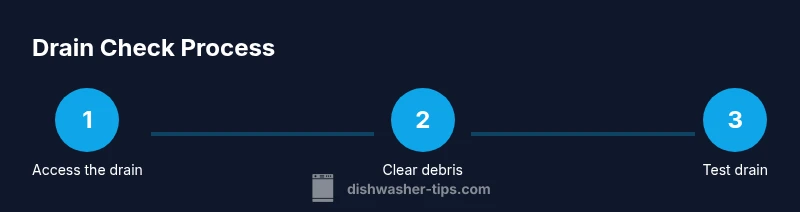
To check your dishwasher drain, unplug the machine, locate the drain hose and filter, remove visible debris, and clear blockages. Then reassemble, run a short test cycle, and observe for proper draining. Gather towels, a bucket, pliers, a flashlight, and a small brush. According to Dishwasher Tips, this quick check helps homeowners detect clogs, leaks, and hose kinks early.
Why how to check dishwasher drain matters
Understanding how to check dishwasher drain is a practical skill that saves time, money, and potential water damage. When your dishwasher drains slowly or backs up, it signals an issue in the drain path, which may involve the filter, the drain hose, the pump, or the trap. A routine drain check helps you catch problems before they escalate, and it supports consistent cleaning performance. In this guide, we’ll walk through the key components, how to access them safely, and the best methods to clear blockages. By following these steps, homeowners learn to diagnose common issues without guesswork and reduce the likelihood of costly service calls. The process also supports longer appliance life by maintaining proper flow and preventing standing water inside the tub.
Common drain issues and what they look like
Most drain problems fall into a few predictable patterns: water taking too long to clear, leaks around the bottom of the unit, or a complete failure to drain after a wash cycle. A clogged filter or food debris in the sump is a frequent culprit, especially in households that run dishes with large particles like pasta or rice. A kinked or collapsed drain hose can impede flow, while a clogged pump screen may choke the drain pump. By recognizing these signs early, you can target the right component and avoid unnecessary disassembly. Regular maintenance—checking the filter, hose, and connections—helps sustain reliable drainage and cleaner dishes.
Safety and preparation before you begin
Safety comes first when you work on an appliance connected to water and power. Always unplug the dishwasher, and if possible, switch off the circuit at the breaker to eliminate any risk of shock. Have a bucket and towels ready to manage any residual water, and wear gloves to protect your hands from sharp edges or dirty components. Work in a dry area with good lighting; a flashlight helps you see inside the cabinet or under the toe-kick when you’re inspecting the drain path. Never bypass a safety switch or put metal tools into energized components. Clear the area of clutter so you can move the unit safely without snagging hoses or electrical cords.
Drain anatomy: hose, filter, and pump basics
A typical dishwasher drain system consists of a sump with a filter and a drain pump, a drain hose that carries wastewater to the household plumbing, and a trap or air gap depending on local code. The filter captures large food particles and can become clogged over time if not cleaned. The drain hose can develop kinks or become crushed, especially in tight kitchen layouts. The pump relies on a clear pathway for water to exit; any obstruction in the filter, hose, or pump inlet reduces drainage efficiency. Familiarizing yourself with these parts helps you pinpoint the likely source of trouble and perform targeted maintenance.
Tools you’ll need and why each is helpful
Before you start, assemble a basic toolkit so you can address most drain issues without scrambling for supplies:
- Bucket: to catch dirty water as you open access points.
- Towels or rags: for spills and to keep the floor dry.
- Work flashlight: to illuminate dark corners inside the cabinet.
- Pliers and screwdrivers: to loosen clamps, detaching hoses, and removing panels.
- Gloves: to protect your hands during cleaning.
- Wire brush or old toothbrush: to scrub filters and traps.
- Drain snake or flexible wire: to dislodge stubborn clogs in hoses or pump lines.
- Small容器 or zip-top bag: to collect debris from the filter or trap.
Having these items on hand makes the drain-check process smoother and reduces the need for mid-task trips to the toolbox. If you don’t have a snake, a careful manual removal of hair and food debris from the filter and trap often resolves many clogs. Always handle tools with care and avoid forcing components.
Step 1 — Prep and safety: unplug, dry, and plan
Begin by turning off power to the dishwasher and unplugging it from the outlet. If the outlet is awkward to reach, switch off the corresponding circuit at the home panel. Remove the lower rack to access the drain area, and place towels around the base to catch any water. Set up your bucket nearby. The goal of this step is to create a dry, safe workspace so you can inspect without risking shorts or spills.
Step 2 — Access the drain and filter area
Carefully remove the toe-kick panel or access panel to reach the drain sump. If your model has a removable filter screen, pull it out and inspect for trapped food particles. Rinse the filter with warm water, using a soft brush to remove stubborn residue. With the filter out, you’ll often gain a clearer view of the sump and the drain path. This access step reduces guesswork and helps you determine whether the clog is in the filter, the sump, or the drain hose.
Step 3 — Inspect the drain hose for kinks and blockages
Trace the drain hose from the dishwasher to its connection at the sink or disposal. Look for sharp bends, crushed sections, or loose clamps that could impede flow. Detach the hose if needed, keeping a bucket ready for the residual water. Clear any visible debris inside the hose with a long brush or flexible rod. If you detect a stubborn clog near the connection, gently push it toward the drain while avoiding damage to the hose. Reattach with secure clamps and ensure it’s not kinked once reconnected.
Step 4 — Clear debris from the filter and pump screen
Reinstall the filter and inspect the pump screen if accessible. Remove hair, food particles, and grease buildups using a brush. Rinse thoroughly under running water until the flow is clear. If you still notice resistance or reduced drainage after cleaning, consider using a flexible snake to further dislodge debris in the sump area. Recheck all seals and gaskets for cracks or wear that could leak during operation. Reassemble the unit and prepare for testing.
Step 5 — Reconnect, run a test cycle, and observe
With everything reassembled, plug the unit back in or restore power and run a short, empty cycle to verify drainage performance. Listen for the water leaving the tub and observe the final drainage into the kitchen drain. If water remains, repeat the inspection of the hose and filter. If the flow is still weak, there may be a more serious issue such as a pump failure or a hidden blockage in the plumbing beyond the appliance. In such cases, a professional service may be required.
Step 6 — Troubleshooting beyond the basics and final checks
If drainage remains imperfect after the above steps, consider these checks: verify that the air gap (if installed) is clear, inspect the disposal connection for obstructions, and ensure there are no structural faults in the drain line under the sink. Document the steps you took and any symptoms observed to share with a technician. Regular maintenance—cleaning the filter monthly and inspecting the hose annually—helps prevent recurring clogs. This structured approach allows you to distinguish between simple debris and more complex drainage problems.
External authority sources and further reading
For additional guidance on appliance safety and drainage basics, consult authoritative sources and consumer safety literature. These references offer context for best practices and safety precautions when inspecting or repairing home appliances. While the exact steps can vary by model, the underlying principles—protecting yourself from electrical hazards, maintaining clear drainage paths, and using the right tools—remain consistent across brands and configurations. Always adapt procedures to your dishwasher’s manual and local plumbing codes.
About Dishwasher Tips and maintenance mindset
Dishwasher Tips emphasizes practical, AI-informed guidance for homeowners and renters troubleshooting appliance issues. The goal is to empower readers with actionable steps, clear safety considerations, and strategies to minimize service calls. By combining step-by-step instructions with safety reminders and reputable references, this article aims to be a reliable resource for routine maintenance and problem-solving. The practical mindset helps readers approach repairs with confidence while avoiding risky shortcuts.
Tools & Materials
- Bucket(to catch water when hoses detach)
- Towels or rags(keep area dry and clean up spills)
- Work flashlight(illuminate inner components)
- Pliers(loosen hose clamps and small fittings)
- Screwdrivers (Phillips and flat-head)(open access panels or clamps)
- Gloves(protect hands from sharp edges)
- Wire brush or old toothbrush(clean filter and sump debris)
- Drain snake or flexible wire(clear stubborn blockages in hose or pump)
- Plastic container or zip bag(store removed debris safely)
- Cleaning brush(assist scrubbing)
Steps
Estimated time: 30-45 minutes
- 1
Prep and safety
Power down the unit and unplug it, then clear a dry workspace. Remove the lower rack and set up towels and a bucket. This reduces shock risk and prepares you for safe inspection.
Tip: Lock the circuit if needed to ensure complete power isolation. - 2
Access the drain area
Remove the toe-kick panel or access cover to reach the drain sump. If your model has a removable filter, take it out and inspect for debris. This step reveals the actual path water takes to exit the tub.
Tip: Keep the screws in a labeled container so you don’t lose them. - 3
Inspect the drain hose
Trace the hose from the tub to its connection. Check for kinks, cracks, or clamp looseness. Detach temporarily if needed to clear internal debris with a long brush or flexible wire.
Tip: Do not yank the hose; handle clamps and fittings gently to avoid damage. - 4
Clean the filter and pump screen
Remove visible debris from the filter and sump. Rinse with warm water and brush away stubborn grime. Reinstall the filter before testing drainage.
Tip: A clean filter often resolves many slow-drain problems. - 5
Reconnect and test
Reassemble the components, plug back in, and run a short, empty cycle. Watch the tub drain and verify that water exits promptly and completely.
Tip: If water backs up, reassess hose routing and seals for leaks. - 6
Advanced checks and when to call a pro
If the drain remains slow or backflow occurs, evaluate the pump’s operation or inspect plumbing beyond the appliance. Document symptoms and consider professional service for pump or valve replacement.
Tip: Keep a maintenance log to track recurring issues.
People Also Ask
What causes a dishwasher drain to clog, and how can I prevent it?
Common culprits include trapped food debris in the filter, grease buildup, and a clogged pump screen. Regular filter cleaning and pre-rinsing dishes reduce debris that enters the sump.
Clogs usually come from debris in the filter or pump screen. Regularly cleaning the filter prevents most clogs.
Can I use a plunger or snake on a dishwasher drain?
A snake or flexible rod can dislodge blockages in the drain line or hose when used carefully. Do not force the tool into sharp bends, and never use a metal rod that could damage the tub.
Yes, a snake can help, but be gentle and avoid forcing it through tight bends.
Is it safe to run a cycle if the drain is slow or backward?
If backing up occurs, stop the cycle and inspect the hose and filter. Running a cycle with a true backup can overflow and cause water damage.
No—stop and inspect first; a bad drain can overflow.
How often should I check the dishwasher drain?
As part of routine maintenance, check the drain at least monthly and after heavy use that includes starchy or fibrous foods.
Monthly checks prevent most clogs from forming.
What should I do if the drain hose is kinked or damaged?
Straighten the hose to restore proper flow, reseat clamps securely, and test. If the hose is cracked, replace it and verify there are no leaks.
Straighten and re-clamp; replace if damaged.
When should I call a professional for a dishwasher drain issue?
If you notice persistent backflow, unusual noises from the pump, or leaks after cleaning, it’s wise to consult a technician. A professional can diagnose pump faults and valve issues.
If problems persist after cleaning, contact a technician.
Watch Video
What to Remember
- Disconnect power before inspecting any dishwasher parts.
- Inspect the filter and hose for debris and blockages.
- Test with a short cycle to confirm proper drainage.
- Follow Dishwasher Tips' verdict: perform monthly drain checks to prevent backups.